
Growing Old in Bali
In Bali, old age is honored as a path to wisdom, dharma, and moksa, where elders guide families, uphold traditions, and prepare for the afterlife.
Desire is at its peak when one is still relatively young. It should be exercised with caution and balanced by dharma. This control is symbolized by the mesangih/metatah toothfiling rite, which normally takes place at adolescence. Teeth—especially the canine teeth, symbolize the demonic or animal side of humans. By filing them, one subdues one’s sadripu, the six "intimate enemies" (musuh ing raga) of the human: lust or kama; greed or loba; anger or kroda; arrogance or mada: attachment or moha; and jealousy or matsarya. When marrying, one enters mature age. One may exercise kama or desire, but again in a controlled way; which is underlined in the wedding ceremony (mesakapan ), the apex of which is an offering addressed to the buta sor (material forces) which are at the origin of the various desires. But during married life proper, the priority should shift to the accumulation of "wealth" or artha, still spurred by desire but checked by virtue (dharma). This wealth is necessary for the holding of the death ritual which one owes to one’s dead parents, who set off the incarnation process in the first place. When one reaches the fifties or so, one has had one’s fill of desire and wealth and one should dedicate what is left of one’s life to the implementation of virtue or dharma. Elderly people therefore withdraw from active life and study the scriptures. Some, if the family tradition allows it, become high priests. In some classical stories, the heroes go meditate (tapa) on the slope of a mountain or in the depth of a forest until they blend with nature itself. This is also what kings did after a long reign. Old age and reality in Bali’s rural surroundings Western visitors sometimes get the impression that the elderly are badly treated in Bali. Not only do the meals served to them consist only of rice and vegetables, but they are dressed in old clothes, sleep on mats rather than beds, and make do without most of the essentials of modern life. In actual fact, although they are not pampered, the old people in Bali are far from neglected by their offspring. Stay a couple of days with a Balinese family, and you will learn that they are treated very well indeed. Their children may arrange things to suit their fragile health, prepare "soft" meals or cover to suit their stomach or provide them with special warm clothes. But how do they react? By stubbornly sticking to their independence: "Don’t treat me like a senile man (or woman)," they will say, "I can cook my own meals and wash my own clothes. Do you want me to die of boredom?" So, grandma goes on with her cooking and washing, while grandpa continues taking his daily walk along the busied roads of the village. Their children and grandchildren think of them as being obstinate. But they are just eager to be a burden to no one. Shameful treatment of elders is very rare in Bali. When it occurs, there is usually a strong reason, either a prolonged, unrelenting bitterness on the part of the young, that brings about a desire to take revenge, or simply a particularly difficult elder! Another reason is financial. People living under difficult conditions have a limited ability to take proper care of their elders. If the elders wear dowdy dress and have meager meals, it doesn't mean that their children do not pay enough attention to them. It may be that poverty is can be anyone's fate. It is perfectly natural for elderly Balinese to remain engaged in domestic activities. Many household items are made in the home, often by the elderly. They may also be seen participating in jobs such as palm oil making, breeding of chickens and pigs, vegetable cultivation etc. And they will remain participants of the village working-bee as long as their health allows. For the elders, such activities are a relief, as it helps them to feel that they are still useful. Some older people may be returning to infancy and display a strange behavior, for example mixing bananas and rice and then eating it. Others may refuse to change and wash their clothes, and thus be subject to skin rash. But only a small minority are really a nuisance. Most know how to behave in old age and their continuous participation in social life and activities ensure that few of them ever become senile. Old age in Bali ensures power rather than decrepitude. Instead of being "ruled" by the younger members of the family, they "rule" everybody and their commands are absolute. The most strong-headed are elderly widows of high caste, who have often undergone a long period of widowhood, or those who have had to struggle hard as single parents to support their family. As everywhere throughout the world, the main function of Balinese grandpas and grandmas is to look after their grandchildren, teaching them good manners and telling them educational stories. This is good for both generations. The children need instruction, while the elders long for communication. Last but not least, the elderly in Bali always spend their old age at home. In Bali one just doesn't just cast away one's parents in an old folks' home. This "betrayal" would kill them. As for death itself, it is when the children "pay their debt" to those who have begotten them. Wasn't it the parents who enabled their child's "soul" to incarnate in a human guise? One understands why the cremation is the most important event in the "life" of a Balinese. It ensures the passage of a soul to the realm of the dead, to become an "ancestor" and/or to wait for another incarnation.
Desire is at its peak when one is still relatively young.
Read Next
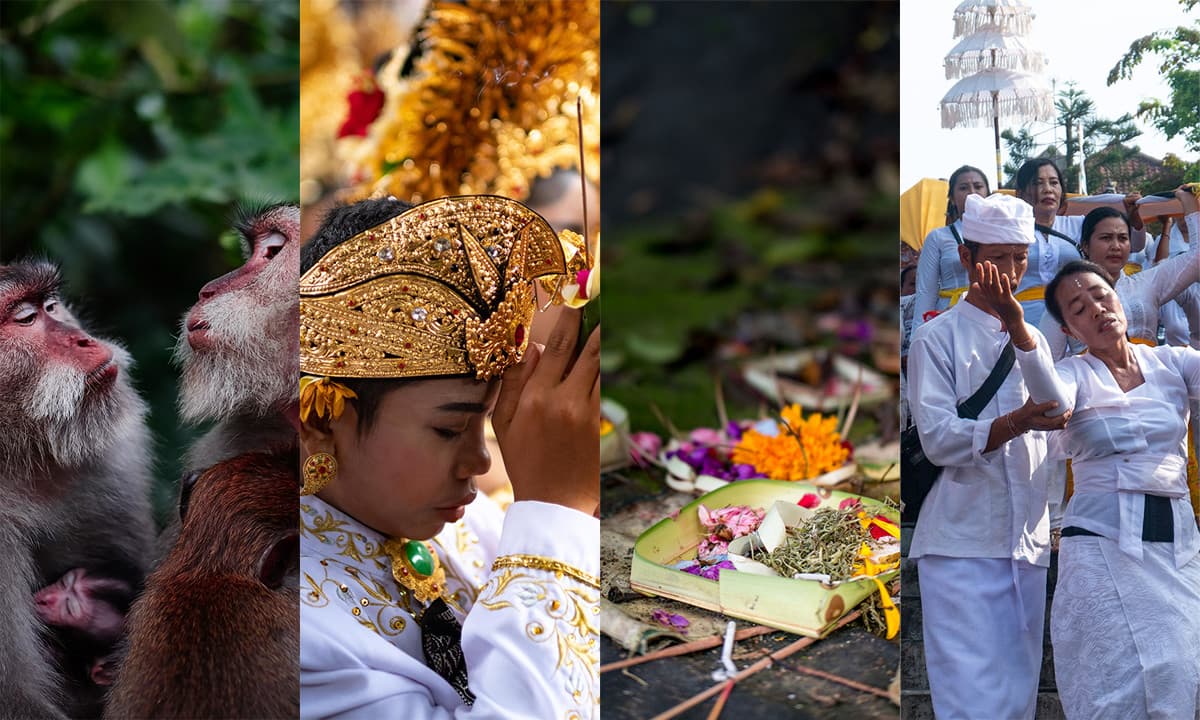
4 Rules for Life, Bali-Style
Explore the Balinese Hindu 'rules for life' and the four Purusa Arta goals, discovering how to live a meaningful life the Balinese way.
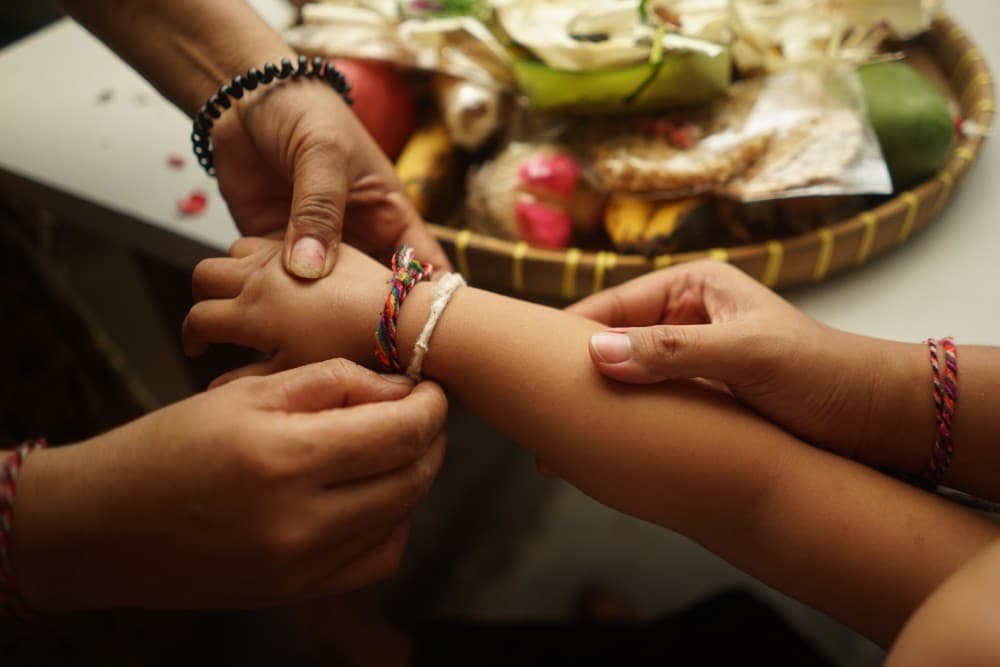
The Childhood Rites of the Balinese Life Cycle
Explore Balinese life cycle rites, where ancestral worship, Hindu traditions, and reincarnation beliefs shape rituals from birth to death.

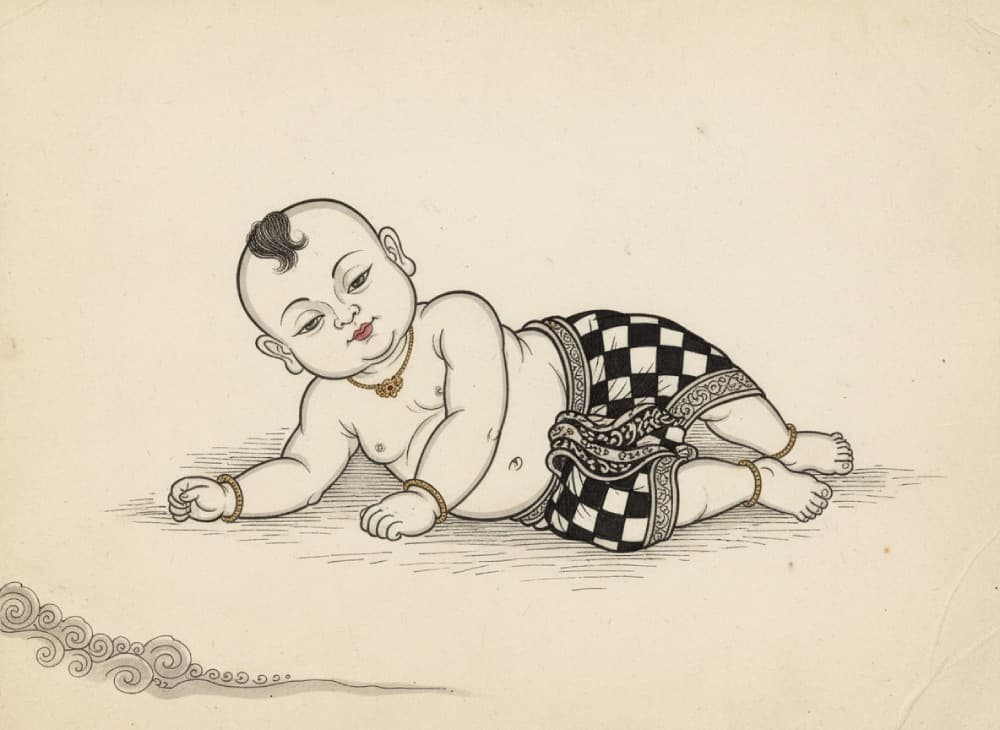
Balinese Reincarnation: A Cycle of New Beginnings
In Balinese tradition, reincarnation is seen as ancestors returning among kin, guided by rituals, prayers, and balance in family life.
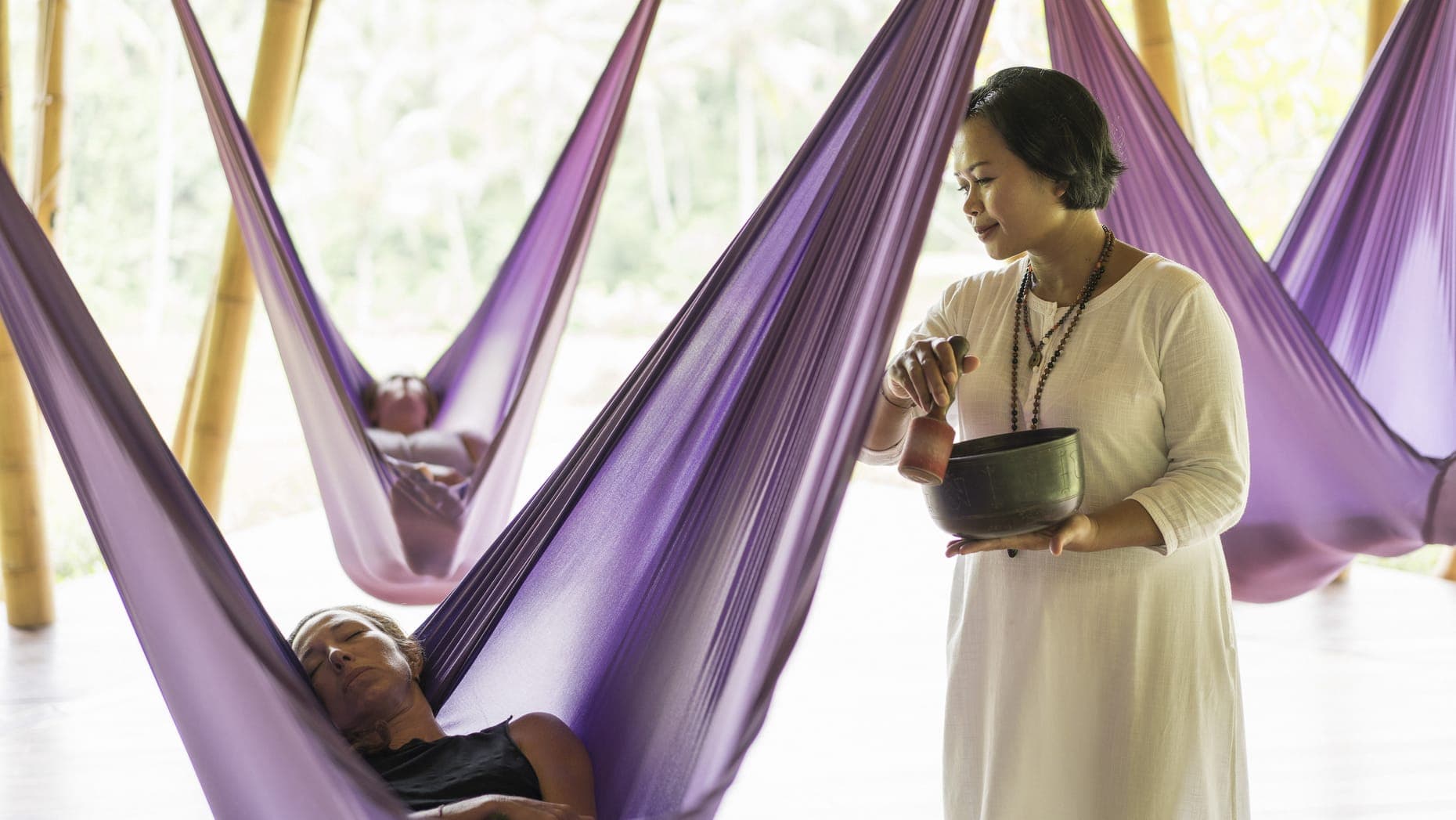
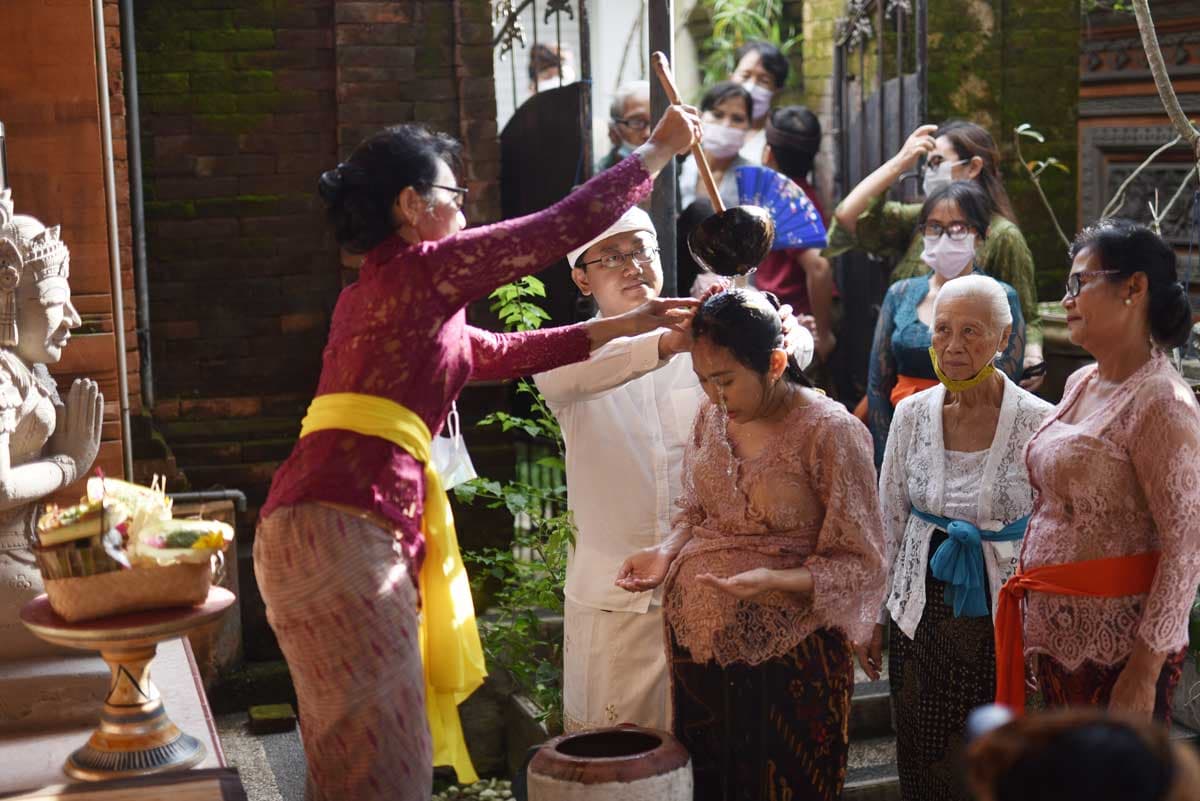
Magedong-Gedongan: Ceremonies for the Incarnating Soul
Taking place around the 5-7th month the Magedong-gedongan ceremony aims at keeping things in order both in the womb and outside it.