
Guwang's Hidden Canyon
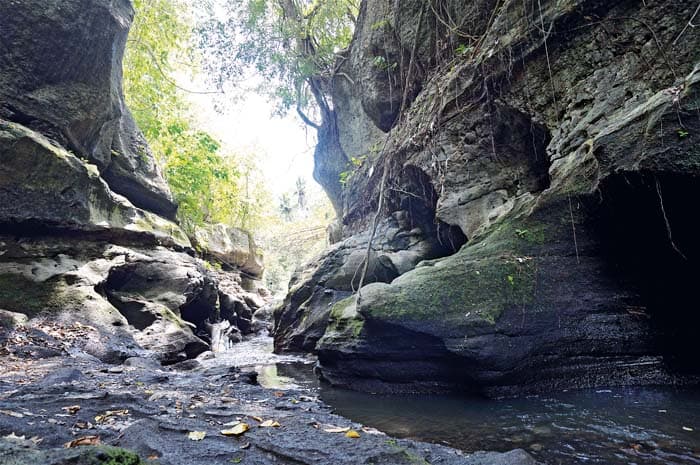
Learning about a place (or a person) is like peeling off the layers of an onion - its mask comes off one thin layer at a time to gradually reveal what’s really inside. And just when you think that over-exploitation and commercialism have fully taken over the island, Bali reveals a new attraction for both the residents and visitors to the island to feast their eyes on a stunning natural wonder, untouched by the mix-bag tourism projects currently mushrooming on the south.
Located just 5 minutes away from the buzzing Sukawati Art Market in Gianyar regency is Guwang village, the home of the beautiful Balinese Hindu temple PuraDalamGuwang and a hidden canyon that has just recently started to fly under the travellers’ radar, the BejiGuwang Canyon. One of the island’s great natural wonders, the canyon now entices visitors to gaze down upon its beauty. But of course, the best way to observe it is from the river that flows through its majestic walls.
Steep steps allow access to the canyon. Upon arriving on the riverbank, you can see a number of springs whose water is considered holy by the villagers and is used for praying and other ceremonial purposes. A small water temple (best viewed and photographed from higher ground) is also built there to show the importance of the river to the villagers.
The river is the place where quite a number of the local villagers go to bathe. The water is calm and clear, and the atmosphere is relaxing. To reach the canyon you have to walk through the ankle- to knee-deep river and climb several big rock formations - it can be slippery at times. There are several ‘selfie worthy’ spots along the way to the canyon, so if you need to update the profile picture of your social media accounts you should take your time and explore at your own leisure.
The river is the place where quite a number of the local villagers go to bathe.
Approaching the canyon, you’ll immediately be blown away by the surrounding natural beauty. Here, the river can go up to 1.5 meters deep, and visitors in the know have to put their wall climbing skills to the test by going through the textured wall with all its natural hand-holds and in-cuts. There will be an area where you have to go rock hopping if you don’t want to be soaked in the water. It can be quite challenging especially if you’re not an outdoorsy type; but once you’ve reached the canyon, you’ll know it’s all worth it. Swimming is allowed and taking loads of photographs is a must. Some visitors even troubled themselves, climbing the slippery walls to find that perfect angle.
The best time to explore the canyon is around noon, where the sun reflects beautifully on the river and creates a more dramatic vista of the canyon. Donation is required upon entering BejiGuwang Canyon, and local guides are available (with extra donation, no fixed price) to tell you which foot goes where during the wall climbing. It is advised to bring your swimmers and dry bag, and please, please put litter in its place. While you’re in the area, you may also want to visit Sukawati Art Market for some souvenirs and sightseeing.
Read Next

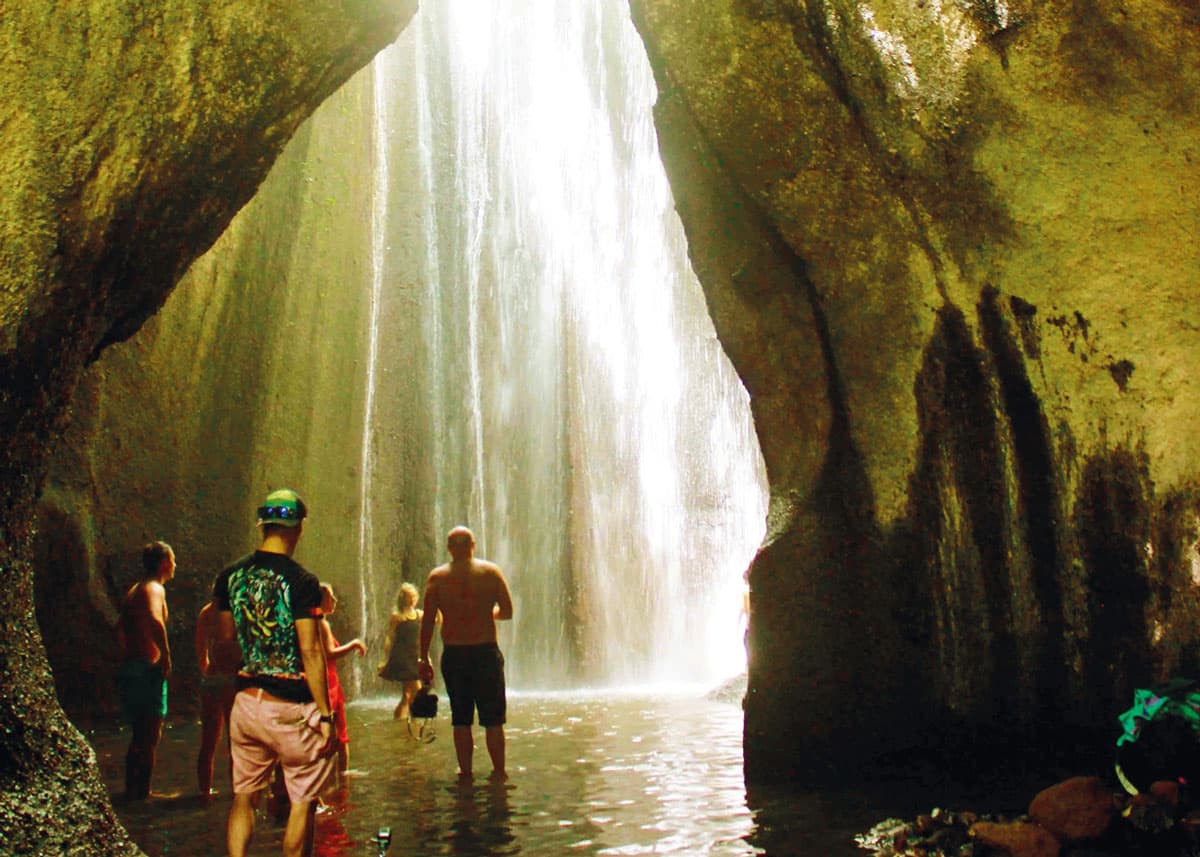
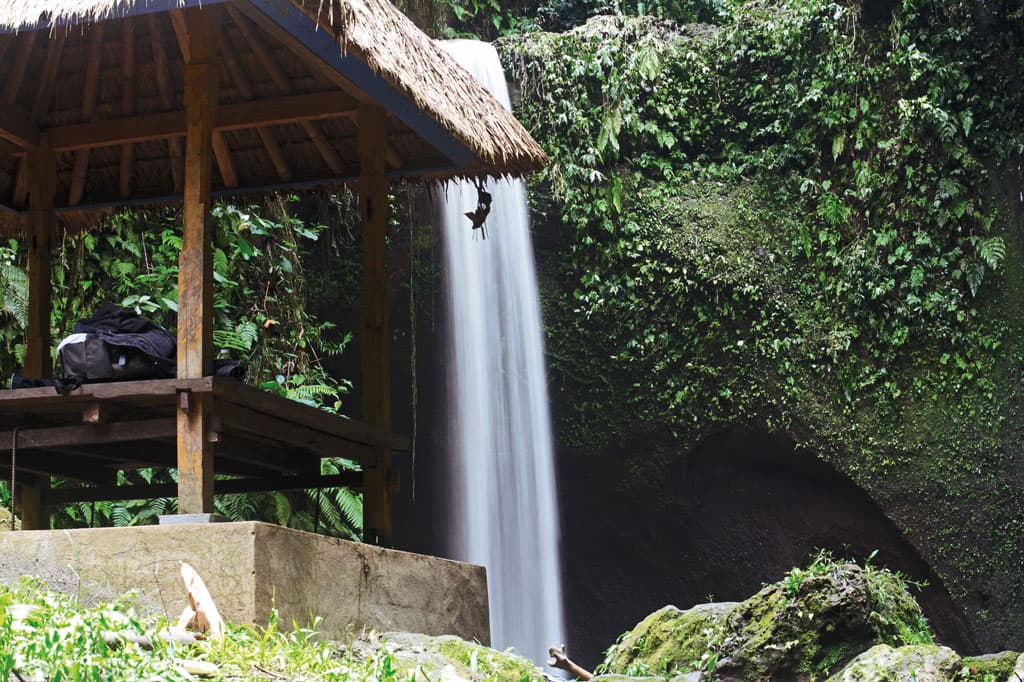
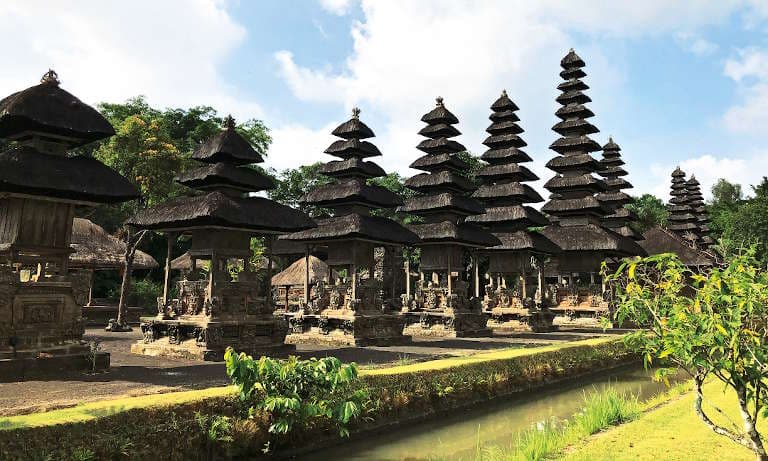
Badung, Unchartered: Secrets of Bali's Most Popular Regency
Up on the region’s north, you’ll find a different Badung, especially with the absence of the cliché hotspots crowded by the millions visiting Bali.
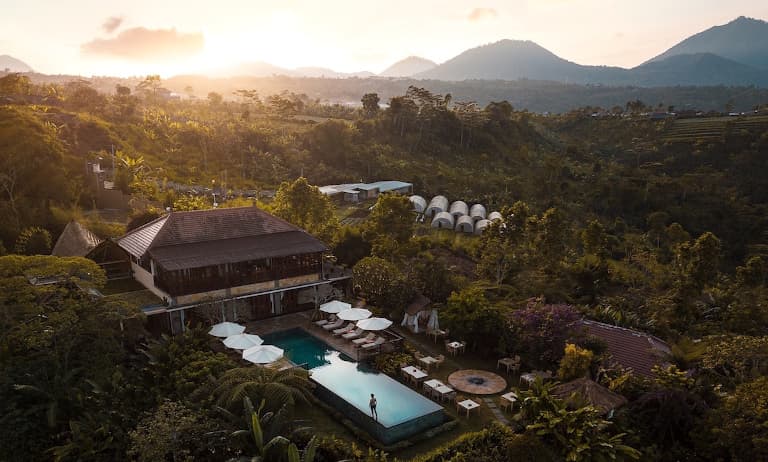
A Night in Bali’s Wilderness : Amazing Escapes Out in Nature
Discover Bali’s hidden escapes in Munduk, Sidemen, Candidasa & Ubud. Boutique stays blend nature, culture & comfort for an authentic island retreat.
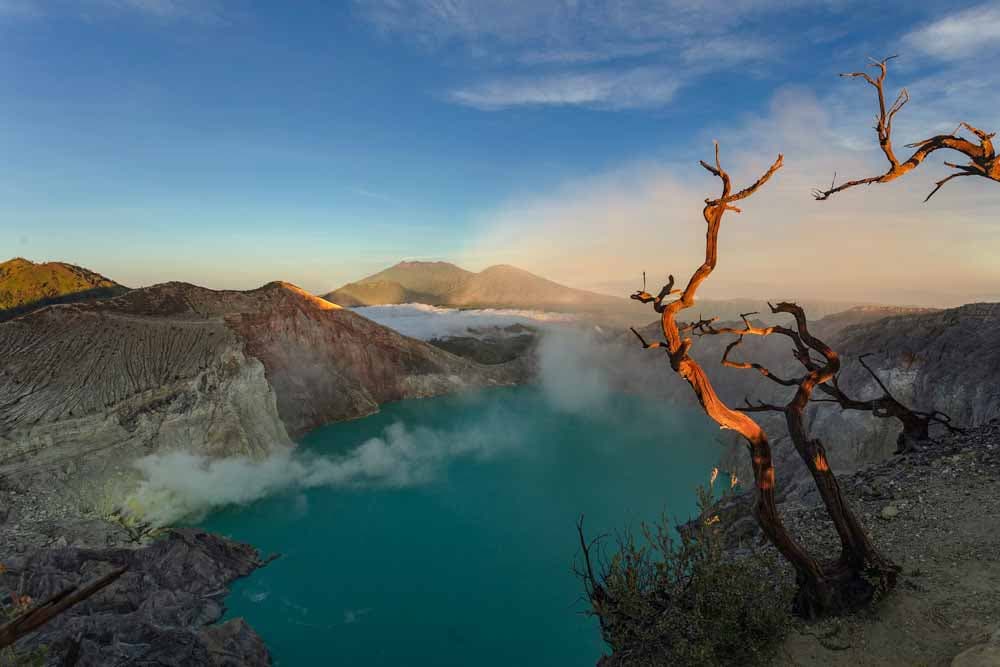
Banyuwangi Bound: An Escape to East Java (from Bali)
Discover Banyuwangi’s wonders: Ijen’s blue flames, Alas Purwo & Baluran National Parks, G-Land surf, pristine beaches, forests & rich wildlife.