Kain Poleng : Bali’s Chequered Cloth of Balance
Kain poleng embodies Bali’s Rwa Bhinedha philosophy, symbolizing balance of opposites—black and white coexisting for harmony, protection, and sacredness.
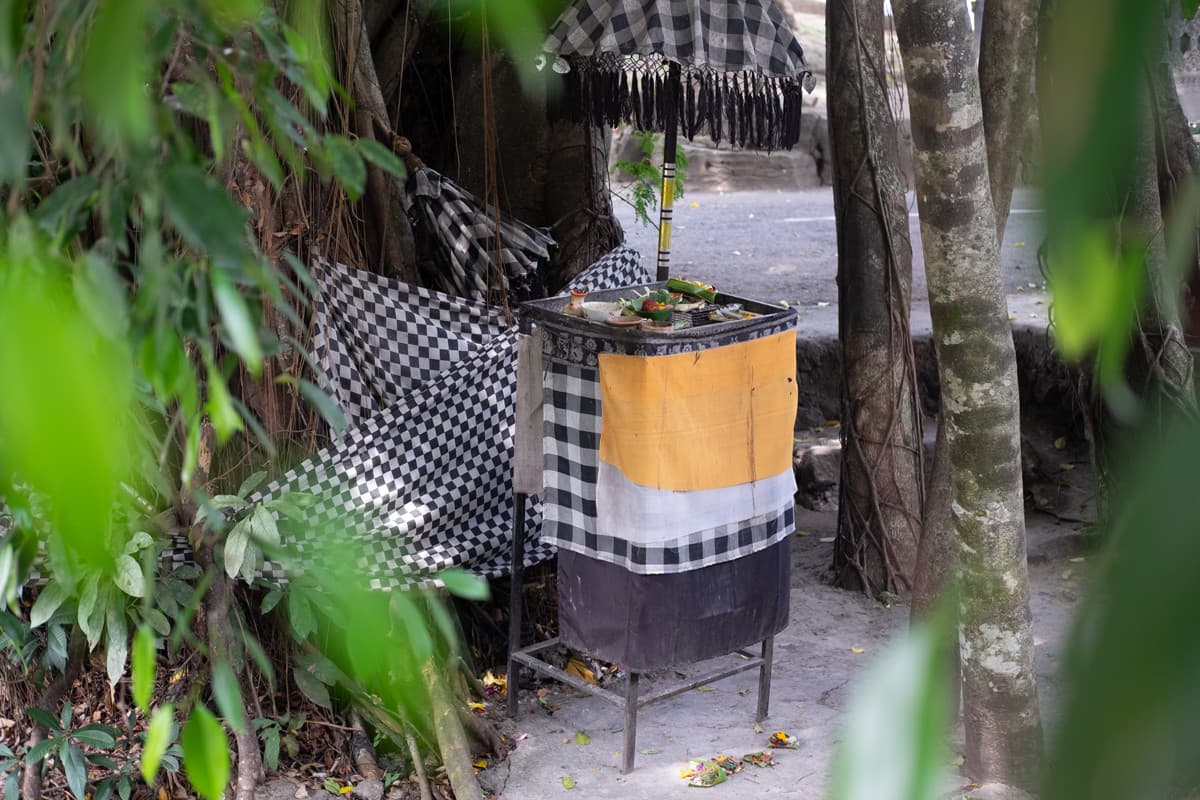
Wrapped around trees, skirting shrines and bedecking temples, or worn by the Balinese themselves as a sarong (or saput), the kain poleng, or poleng cloth, is symbolic of one of Bali’s most important philosophies.
In its most common form, the kain poleng is a black and white chequered cloth, but other versions exist which incorporate grey or red. Poleng refers not to the material, but rather the chequered pattern. Black and white squares, just like a chess board.
The stark contrast of black and white is a representation of opposites, symbolic of the Rwa Bhinedha philosophy. White is representative of good, light, positivity; black is representative of bad, dark, negativity.
However, this is not a visualisation of “Good versus Evil”. The Rwa Bhinedha philosophy outlines that opposites must co-exist for there to be balance in the universe. This is mutual dualism. For there to be night, there must be day; for there to be happiness, there must be sadness; for there to be good, there must also be evil. It is not the goal for one side to conquer the other, they must exist simultaneously for their to be harmony.
However, this is not a visualisation of “Good versus Evil”.
The kain poleng shows this equality of opposites with its even number of squares of black and white, alternating between the two shades evenly.
The cloth, whilst a constant reminder of the Rwa Bhineda philosophy, also grants protection against the niskala unseen world. Kain poleng are found on large banyan trees for example, as it is said a spirit resides within it, thus the cloth marks the sacredness of the tree. It is also said to ward off or protect against negative forces, and thus is used in places or on objects deemed to potentially emit such an energy.
According to one article (Ross, K. 2003, Poleng), poleng was only used by certain people, those who have the power and knowledge to determine what is black and what is white, what is good and what is bad. Thus, this would be reserved to the likes of priests, rulers, lawmakers, pecalang (community guards) and so forth. In religious affairs, poleng is used by those who will fall under trance, such as the Barong or Rangda dancers.
Yes, whilst this cloth may seem common and ubiquitous, it holds within its pattern a special and important philosophy that the Balinese carry with them through their lives. Having it spread around the island is a constant reminder that the universe must remain in balance.
This article is from our June Issue, read it online for free:
In this issue we share insight from experts and island-insiders on sustainability, destination management, environmentalists and more to explore the many ways Bali’s ‘restart’ paves the way for a better, brighter future.
Read Now
Read Next
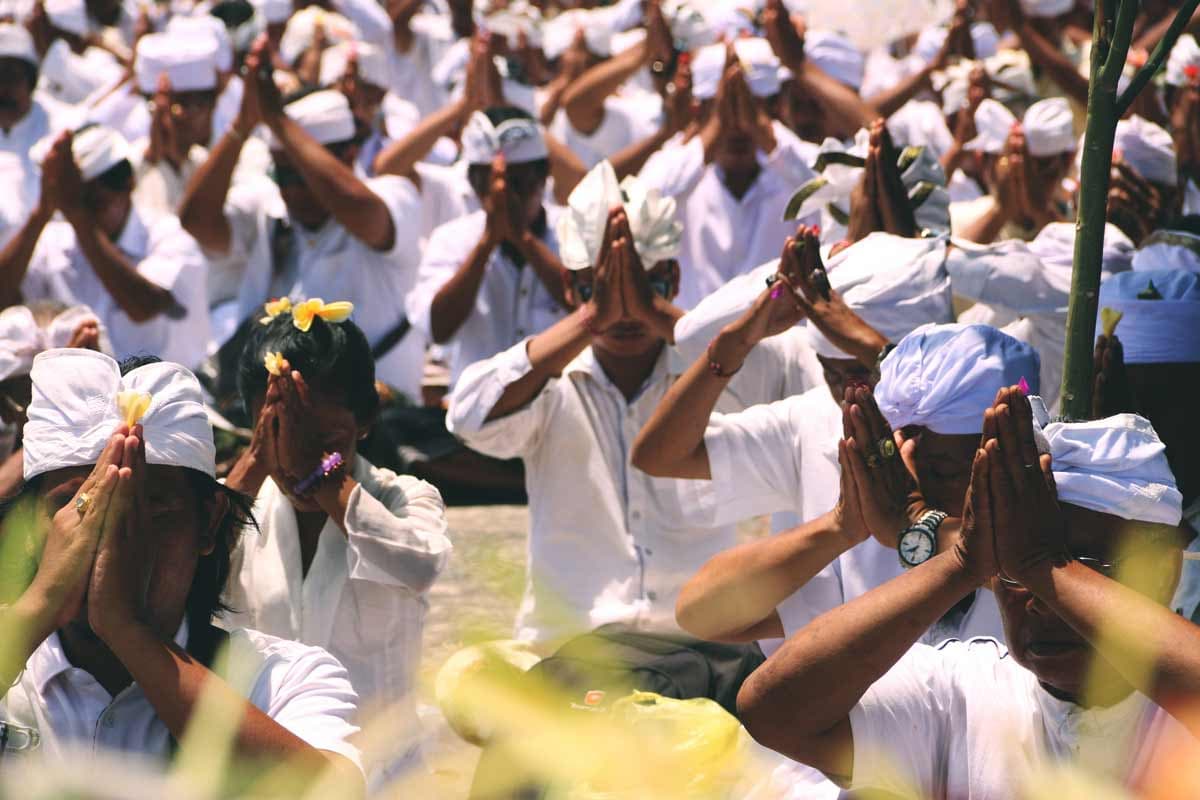
108 Balinese Priests Organise Island-Wide Collective Prayer to Bring Balance in 2022
Bali Poleng is a campaign run by the 108 Bajra community with the aim of creating an island-wide collective prayer at the start of 2022.
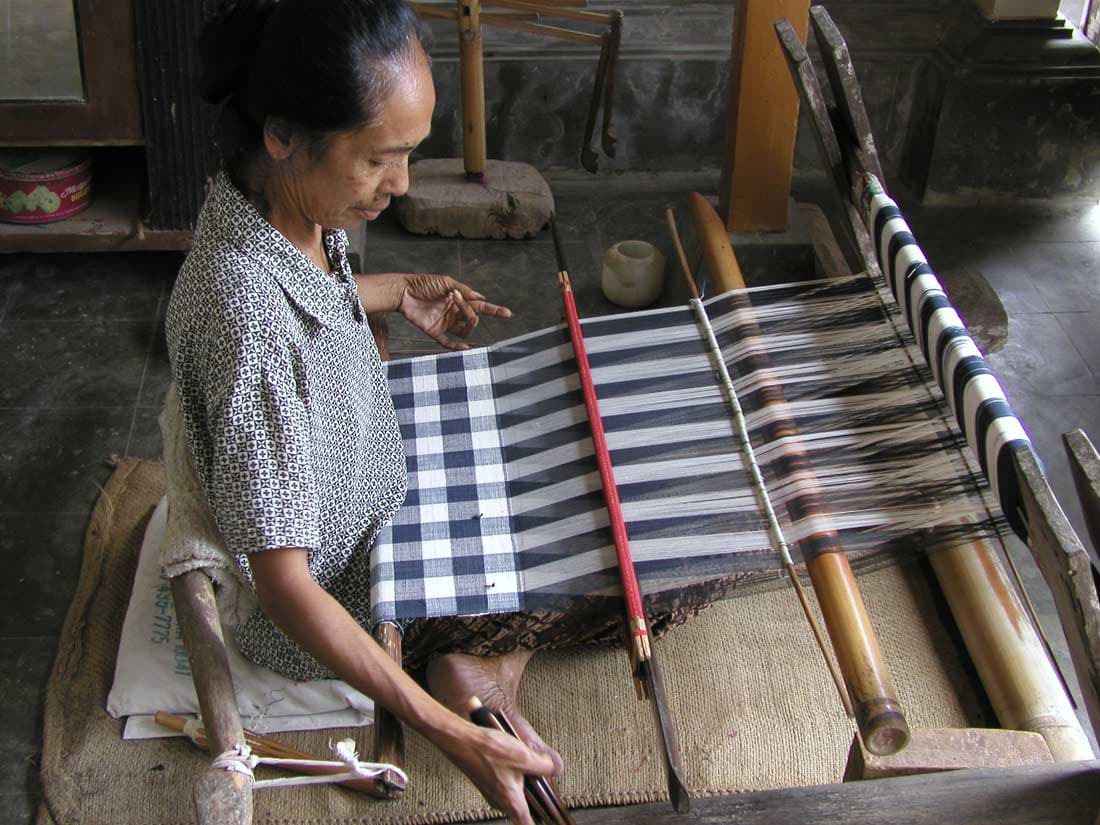
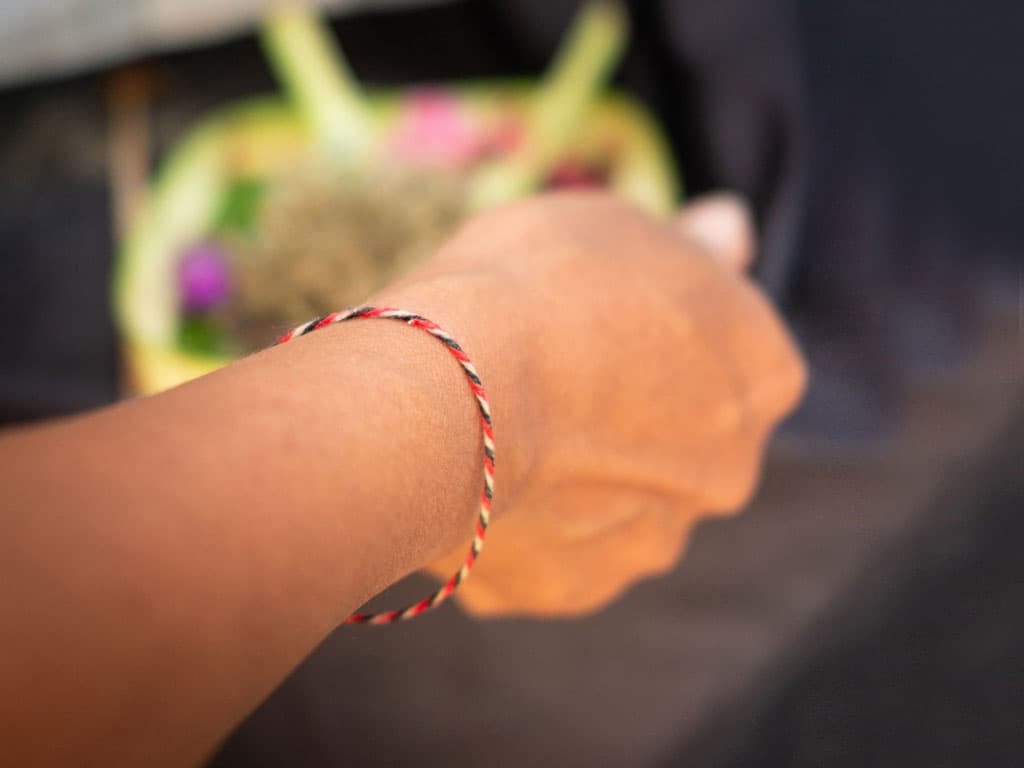
Tridatu: The Colours of Bali's Holy Trinity
Discover the Balinese Tridatu philosophy: red, white, black symbolize creativity, purity, and protection, reflected in sacred rituals and bracelets.
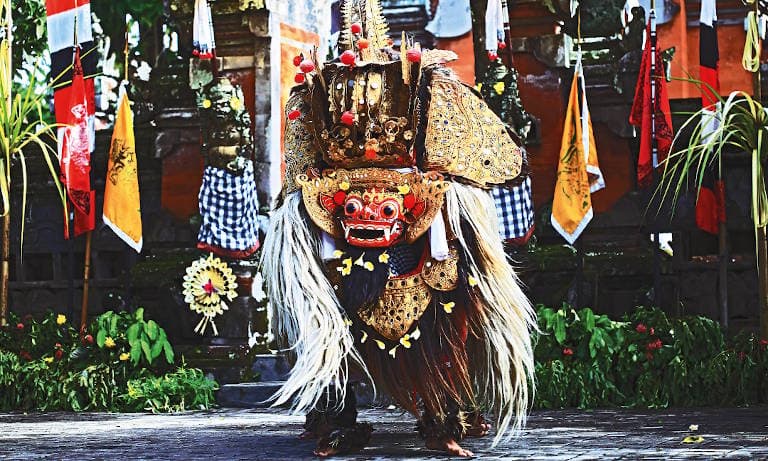
The Philosophy of the Barong Dance
Discover the Balinese philosophy of Rwa Bhineda through the Barong and Rangda dance, symbolizing life’s duality, light and darkness, and sacred rituals.
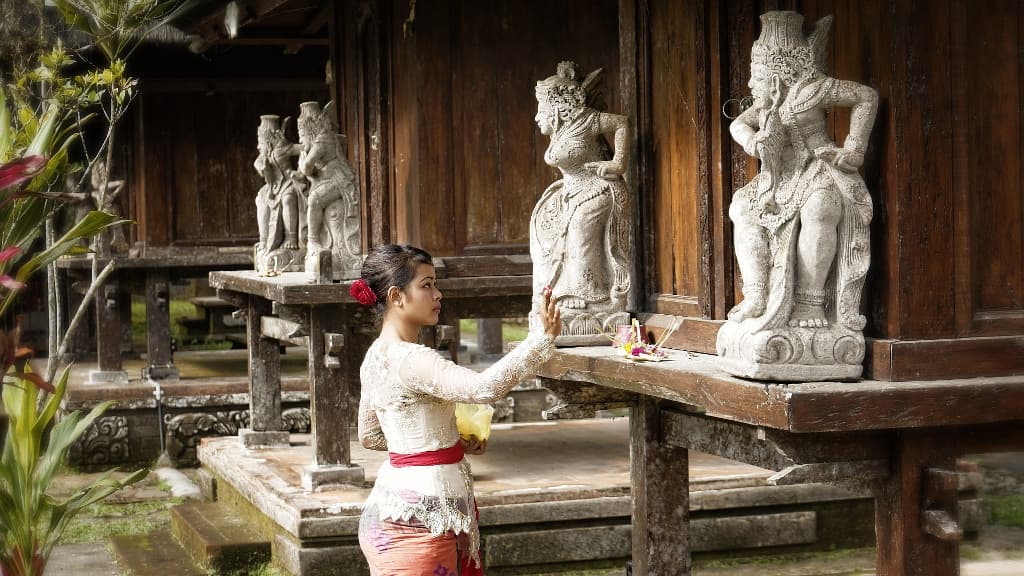
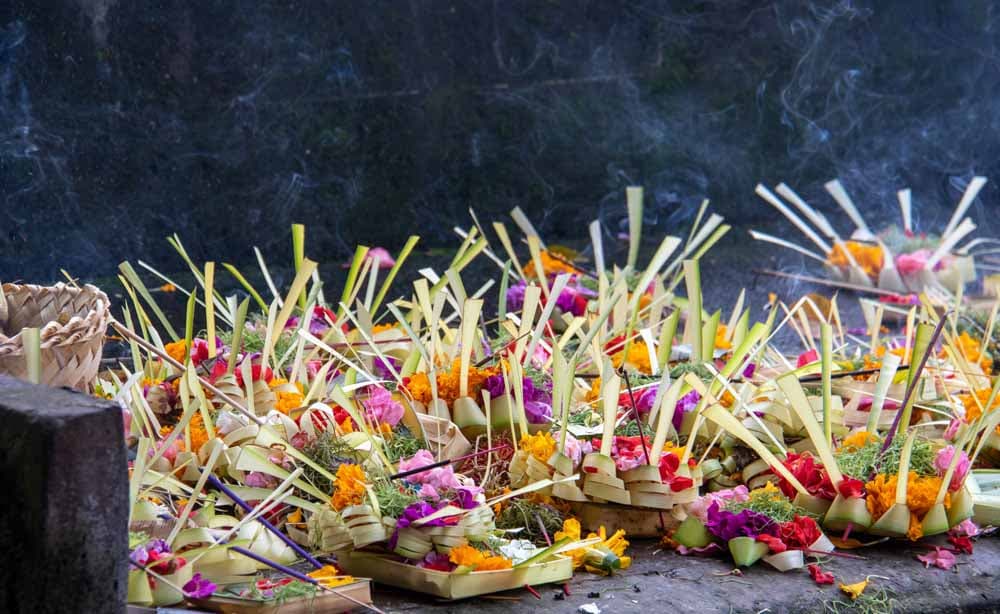
Inside the Fascinating Subject of Balinese Colour Symbology
The Balinese colour wheel known as Nawasanga is an intricate and insightful tool that ties so much of Balinese belief and philosophy.