
Legong Trance
It was 6 pm when two men started arranging the red plastic chairs at the front yard of PuriSarenUbud, a palace owned by the Ubud royal family. Members of the royal family still live here, within theinner compound, but allow the community to use the front patio for cultural performances in the evening. The Legong Trance dance was the highlight of the evening when I visited the magical Ubud. This special and mystic dance involves pre-pubescent girls performing during a religious ceremony to ward off calamity and plague. It is inspired by a sacred dance called Sang HyangDedari, only ever performed at night and only on Nusa Penida, in a village in Tabanan and a village in Karangasem. As the name suggests, the dance involves those taking part to fall into a deep trance as the spirits enter their bodies. As the night crept in, the performance began. Two teen dancers appeared onstage, accompanied by a Balinese Hindu priest, the older ladies and men were wearing black and white chequered sarongs and carried umbrellas usually used to decorate temples during ceremonies. The priest sat on the ground and started a prayer. The rising smoke of the burning incense stick in front of him thickening, and he started swinging his sacred genta bell. The repetitive ringing of the bell made the audience fall silent, and the echoes of the ‘dings’ set an eerie ambience around us. The last of the ringing vanished into the fresh evening air and the priest stood up, followed closely by some elderly ladies. A solitary flute player began his tune, the hollow sounds of the bamboo tube accompanied by a chorus of chanting women. The elderly ladies helped the priest by placing towering crowns embellished with vibrant flowers upon each dancer’s head. With an incense stick and the gentain his hands, the priest made a prayer in front of each dancer until theirs eyes closed. This was the moment the spirit replaced the dancer’s consciousness, the priest’s chants directing the dancers into a trance state. With their eyes closed, the two beautiful dancers stood still on stage. The chanting got louder and the flute played faster, then, ever so gently, the gamelan orchestra began to play, replacing the chants and bamboo flute. At this very moment, as if in some ethereal sync with the gamelan, the dancers flew with the music. They performed a long series of graceful and beautiful routines. Their eyes actually remained shut throughout the performance, without even a peek, the spirit inside them guiding them instead. The priest came on stage at the end of the performance. The dancers were sat on the ground, their bodies exhausted but their minds still asleep. A sprinkle of holy water to the forehead awakened the dancers. Removing their headdresses, the dancers stood up, looking aware and fresh having been ‘exorcised’, and withdrew from what was not their stage, but the stage of the spirits. Text & Photos by Kartika D.Suardana
Read Next
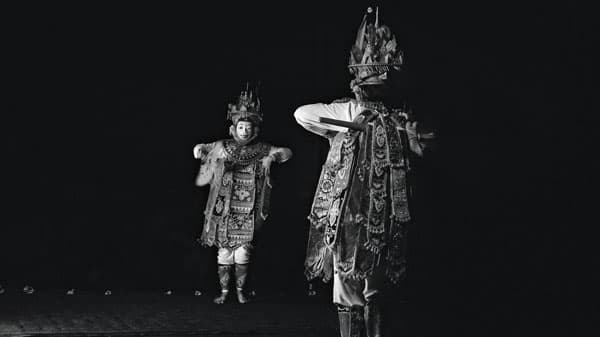
Cultural Nights at the Ubud Palace
Puri Saren Ubud, popularly known as the Ubud Palace, is the witness of all changes that has been through by this artistic village
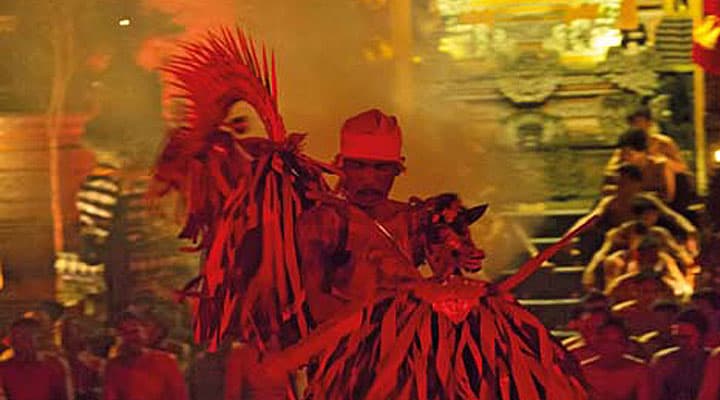
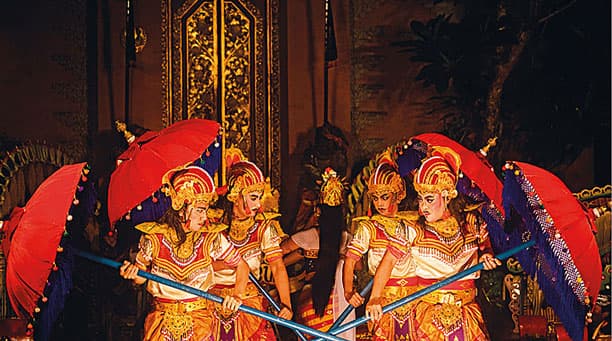
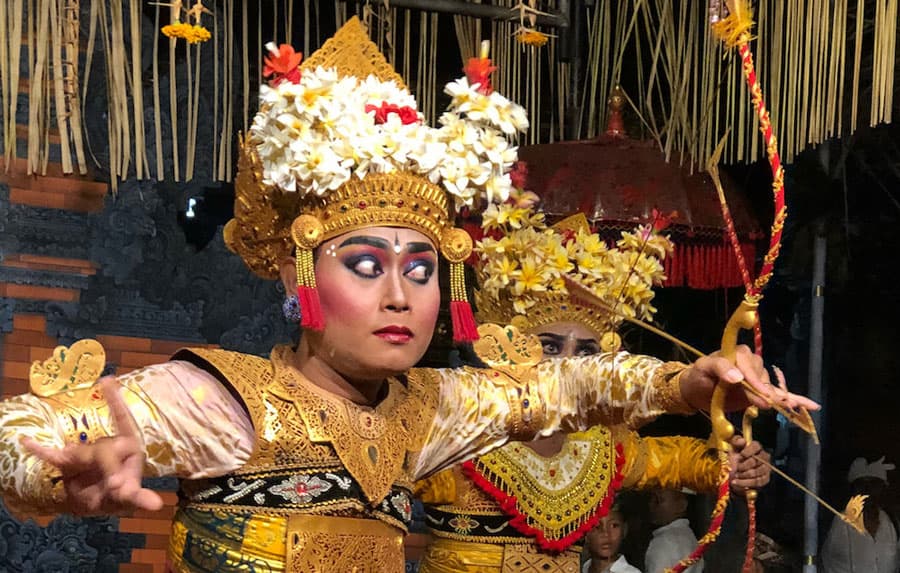
Boys will be Girls
The Maestro, AA Gede Bagus Mandera Earawan famous dancer, and choreographer extraordinaire, had invited us to come along and see his troupe of male legong dancers perform their intriguing version of Bali’s most iconic dance.
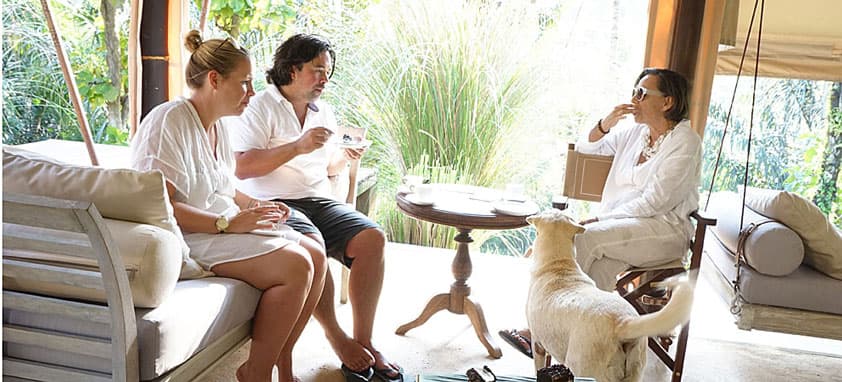
A Right Royal High Tea
Indulge in a jungle riverside spa near Ubud with golden hour views, floral foot baths, and open-air massages surrounded by Bali’s serene nature.
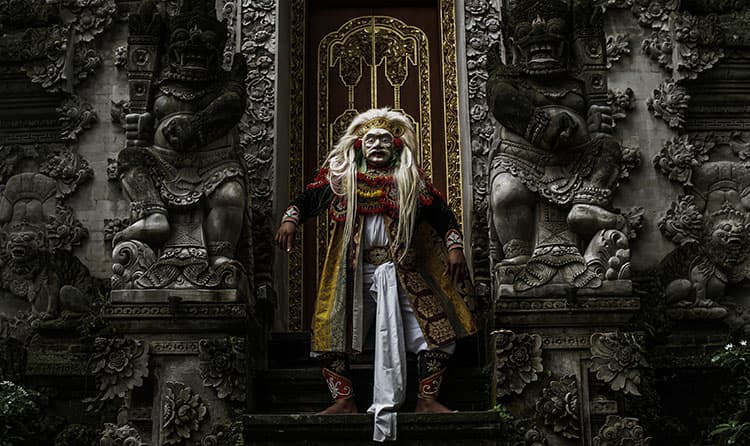


Balinese Living Arts: Ubud's Newest Cultural Performances
Immerse yourself in the newest cultural shows to perform in Ubud, Balinese Living Arts. Two daily shows presenting a top-class display of performing arts.