
Lontar: Bali’s Palm-Leaf Manuscripts
Lontar is a literary artefact that has shaped the Balinese culture we know today. Find out more about this special Balinese artform.
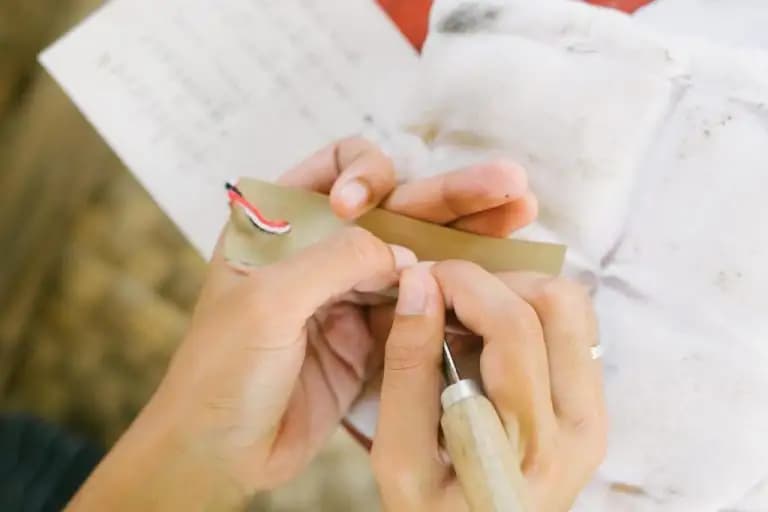
Lontar is a literary artefact that has shaped the Balinese culture we know today. Not just any literature,it’s viewed as the island’s intellectual property to which the Balinese turn to for life lessons, philosophies, medicine and more.
Since the olden days, the Balinese would turn to this literature when in search of a spiritual progression but also regarding the humdrum of everyday life, such as gardening or parenting.
Bali’s wealth of culture was inherited from generations upon generations, strongly preserved as a way to respect their ancestors and their teachings of life.
Lontar, or ‘palm-leaf manuscripts’, are not only vital for the transmission of knowledge and wisdom, but rather for the passing down and preservation of traditions. It gives us insight of early Balinese civilisation and thought, rich in culture and teachings that are still evident today. They are the history books of the island.
Lontar, or ‘palm-leaf manuscripts’, are not only vital for the transmission of knowledge and wisdom, but rather for the passing down and preservation of traditions.
Some may call it intellectual property, others see it as a cultural product; but the collective belief of lontar is that it’s a medium that keeps ancient traditions alive and preserved amidst globalisation, and other worldly shifts.
Lontar carry a series of rules, routines, regulations covering topics of human life to be followed by present and future generations. There are many types of lontar, as mentioned. "They fall under different classifications," shares Richard Horstman. "Weda – holy books, Agama – religious rules, laws, regulations, ethics and morals, Usada – homoeopathy and healing, Wariga – astronomy and astrology, Itahasa – epics including literature, Babad – history & genealogy, Lelampahan –the performing arts, Tantri – stories and notes, and Prasi –illustrations."
The Balinese adhere to the teachings on the manuscripts, as they believe that it bears taksu (divine power). They also believe lontar to be a vehicle for Sang Hyang Aji Saraswati, namely the manifestation of Ida Sang Hyang Widi (God) as a source of knowledge. Once every six months, to coincide with the Balinese calendar on a Saturday, they celebrate Kliwon Wuku Watugunung, a ‘lontar' ceremony in honour of the goddess of knowledge, Saraswati.
Writing on lontar leaves is an ancient tradition originating back to when paper was still considered innovation of the future, and lontar was the preferred alternative to writing on stone. The Balinese civilisation began when their ancestors started writing their experiences on palm leaves.
Traditionally, pangawi and panedun are the author and transcriber respectively, of Balinese literature, therefore the legitimate ‘gatekeepers’ of these scriptures. But they are known to be multi functional, as a means of writing down thoughts, feelings, stories, lores, agreements, symbols (semiotic), habits, and more. Meaning it’s not limited to works of great value. You can find mundane entries, the likes of grocery lists and personal musings, at Museum Pustaka Lontar in Karangasem.
The practise is still alive today and anyone can access them via the Museum or the homes of people who opted to preserve their ancestral ‘heirlooms’ privately.
How are lontar made?
A lontar is made from leaves of the pohon ental, or the Asian palmyra palm, which can be found on the road to Amed, east Bali. For a a palm-leaf to be made into a lontar, it must be of certain centimetres in dimension. The process of creating one lontar paper, or pepesan, can take up to two years.
It involves sun-drying, marinating with herbs, boiling, rinsing, further drying, clamping, and more, to give each leaf longevity and repel termites and other bugs. Through these scripts, they believe that humans can communicate perfectly, not tied by time and space. It’s durable and convenient to be kept and passed on, unlike chalk on stones or other ancient methods of writing.
Secondly, one will need a pangrupak, a blunt knife-like tool only sharp enough to pierce through the surface of the leaves. People in old Bali would use a small wooden table as the writing pad, also known as dulang kayu. Upon writing, the writer would pray and place a canang on the dulang, positioned accordingly to always be in sight when writing, for good health and luck. Lungka-lungka is a small cushion that goes on top of the dulang, acting as an arm rest. There is also the pelican (pronounced ‘pelichan’), a clamping tool to keep the paper in place. Each element contributes to the noble experience, as writing on lontar is a means of catharsis. After completion, each page of the leaf is brushed and blackened with burned candlenut, a common traditional ink back in the day, to seep in through the punctured lines of one’s writing.
Read Next
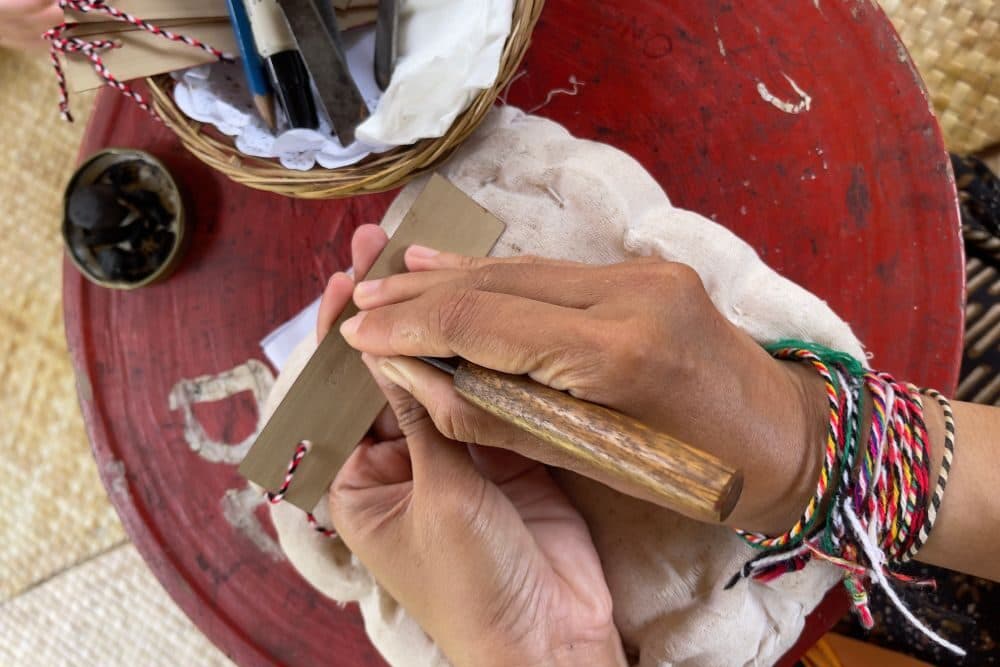
The Art of Writing on Lontar
Long before paper was common, the ancient Balinese preserve their knowledge on palm-leaf manuscripts, known locally as lontar.
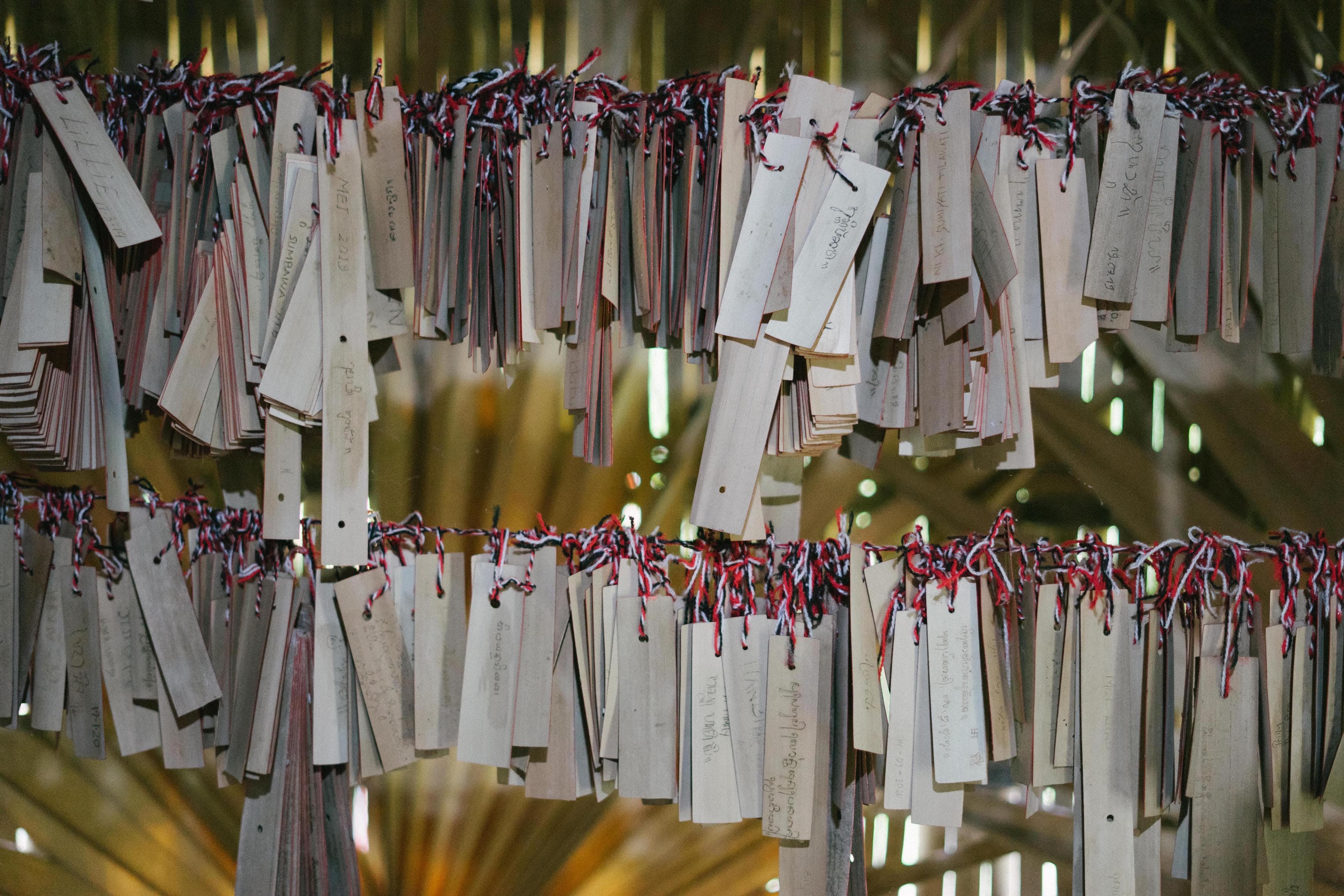
Bali's Lontar Museum : A Library of Ancient Wisdom
Visit Bali's Lontar Museum to discover ancient palm-leaf manuscripts, traditional wisdom, and cultural preservation in a serene setting.
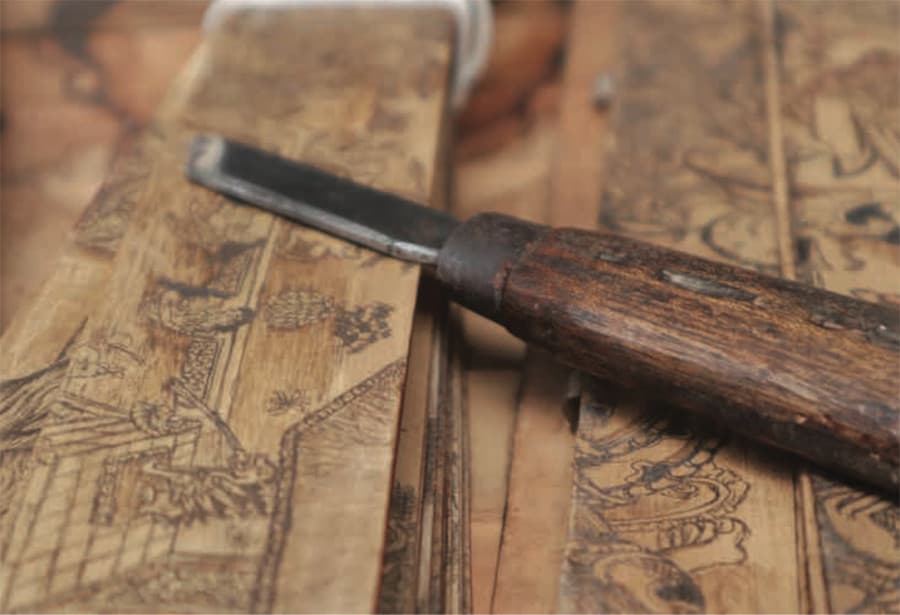
Exhibition Highlights Ancient Lontar, A Balinese Artform of Miniature Manuscripts
Explore the art of ancient Balinese lontar through this exhibition, highlighting traditional miniature manuscripts and modern prasi designs.
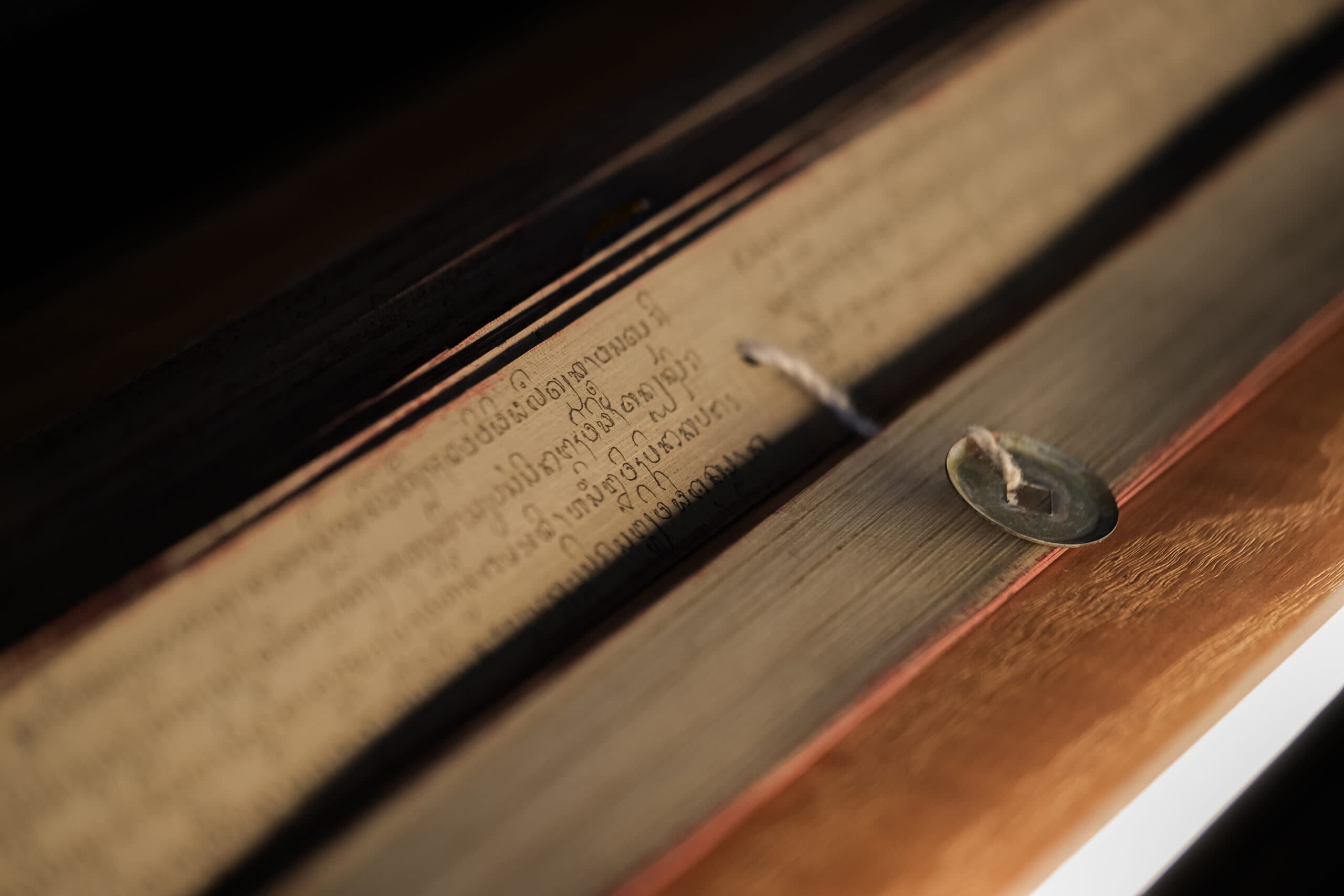
Centuries-Old Manuscripts Showcased at The Apurva Kempinski Bali
Now gracing the majestic Pendopo Lobby at The Apurva Kempinski Bali are historical palm-leaf manuscripts known as lontar, on display until 31 May 2024.
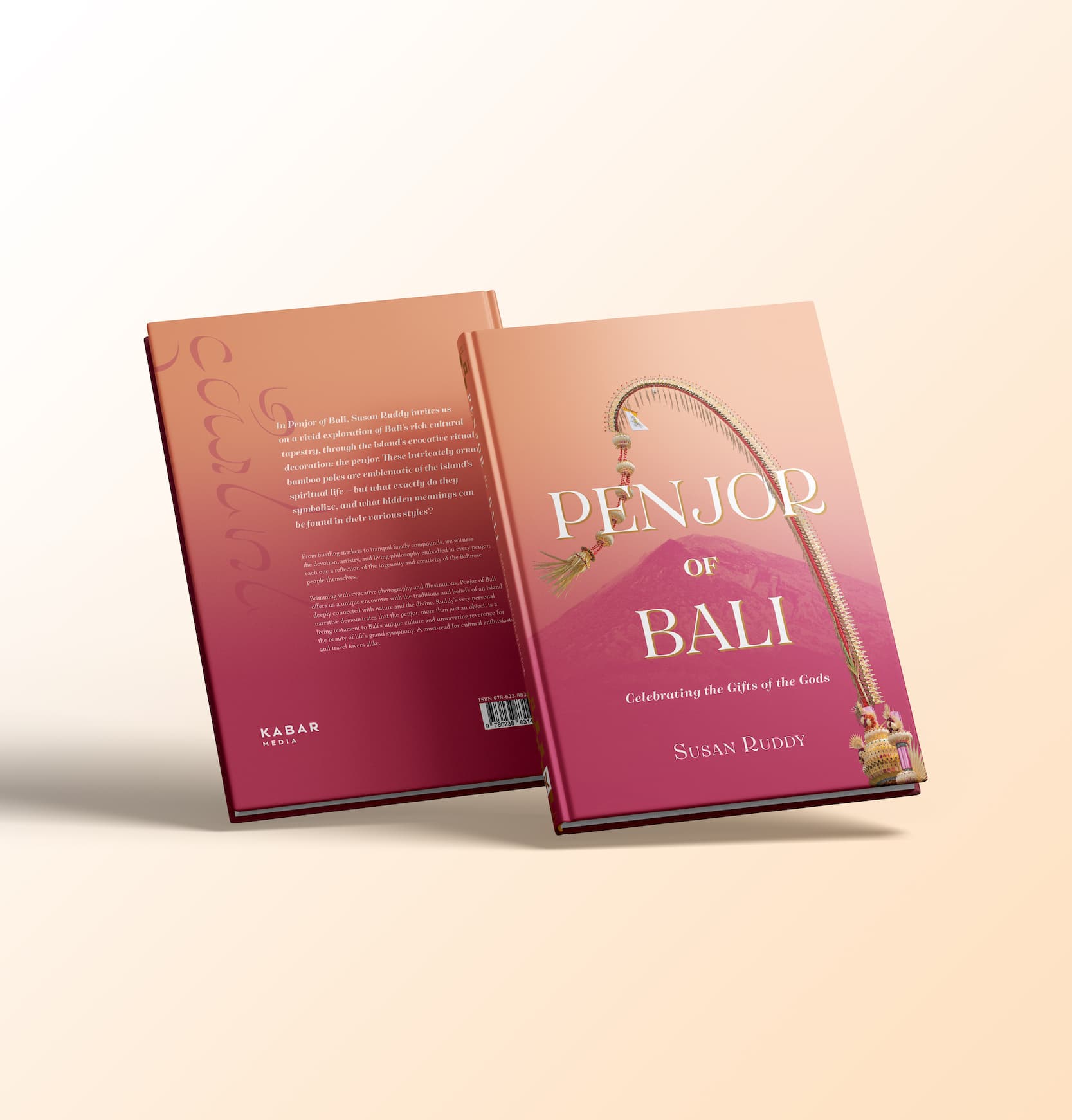
Penjor of Bali: Celebrating the Gifts of The Gods
The first book focused on Balinese culture's Penjor Bali's decorated bamboo poles are a symbol of ritual on the gods' island.