NOW! Bali's Guidelines for Better Living
1. How Much Waste Do You Produce In A Year? FACT:
We assume that the waste problem is over when we dispose it. In fact, we only move the problem somewhere. Our backyard is clean, but how about our sea, rivers and landfill garbage dumps? 2. Do You Know Where You Waste Goes? Do You Think The Problem Is Over Once You Throw It Out? The answer is Bali’s landfill dumps which are already overcapacity, and with 69% of our waste going to landfill and only 7.5% being recycled, we have a growing problem. Because of the end landfill disposal, health and human rights are threatened and land pollution, methane gas leading to climate change, the release of viral pathogens and community health. In addition, Indonesia is the world’s 2nd biggest plastic polluter to ocean; 3.2 million tons of plastic are dumped in the ocean every year (Jambeck, 2015). And here’s something even more worrying. It doesn’t just disappear. It takes years to decompose. How long until it’s gone?
Note: Estimated individual item timelines depend on product composition and environmental conditions. Source: South Carolina Sea Grant Consortium, South Carolina Department of Health & Environment Control (DEHC)- Ocean and Coastal Resource Management, Centers for Ocean Sciences Education Excellence (COSEE) – Southeast and NOAA 2008. 3. Is Waste Management Your Priority? FACT: the waste issue will only become a priority for us, if it actually impacts us. What’s needed to implement responsible waste management?
It’s not waste until it’s wasted. Domestic Waste Material :
Existing VS Waste4Change System Existing System: Mix Disposal Waste, Mix Waste Transfer, All waste goes to landfill Waste4Change: Waste reduction and segregation, segregate waste transfer, recycling and composting, no waste goes to landfill
4. What’s Needed To Implement Responsible Waste Management There are five aspects on waste management 1. Policy/Regulation:
2. Finance:
3. Operational Technique
4. Institutions
5. Stakeholder participation
All information and services kindly provided by Waste4Change, a social enterprise dedicated to making Indonesia a cleaner and healthier place. In Bali, contact infp@eco-bali.com or call +62 822 3779 9819
All information and services kindly provided by Waste4Change, a social enterprise dedicated to making Indonesia a cleaner and healthier place.
NOW! Bali has a very strong relationship with the hotels, restaurants, cafes and bars in Bali and regions across Jakarta through this magazine, our online portals, and our Best Restaurant, Bar & Café Awards (BRBCA). For the 2019 BRBCA Awards we will start to encourage, and perhaps even enforce, some guidelines for restaurants who wish to improve their sustainability, if they are not already doing so. Here are the main points which are very much based on the major problems Bali is facing with its mountain of landfill waste and serious record of marine plastic pollution - among others! We urge all restaurants, cafes and bars to:
Can you do these really useful things? If you all can then we can see a very quick reduction in waste and pollution, across Bali. Thank you.
Read Next

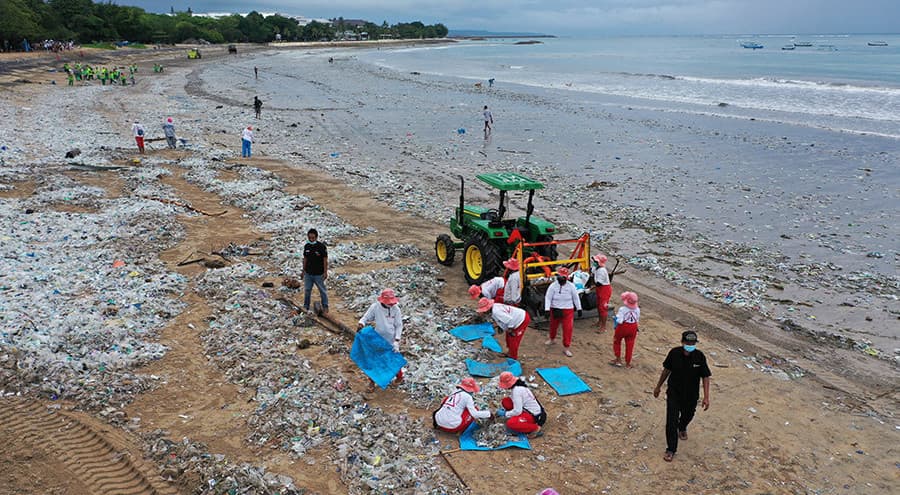
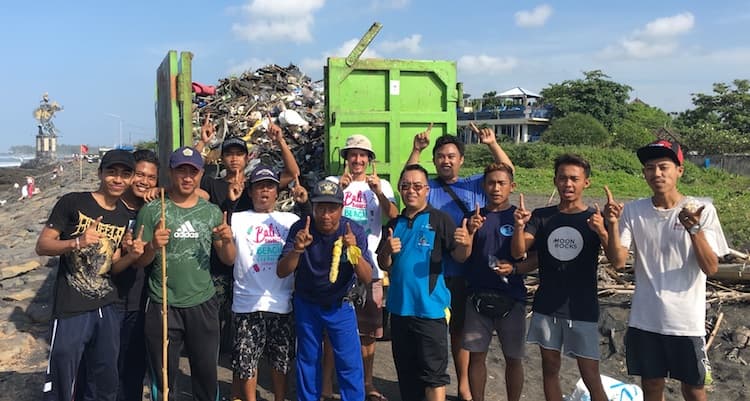
Bali’s Biggest Beach Clean Up Takes 40 tons of Trash off Bali’s Beaches!
On Sunday, 19 February 2017, thousands of volunteers joined Bali's Biggest Beach Clean Up, an awareness campaign that spanned the whole island's coastline.