
Pura Gunung Lebah: The Origins of Ubud
Tucked deep in the ravines of Campuhan Valley, at the confluence of two rivers, Pura Gunung Lebah is a spiritual cornerstone of the region.
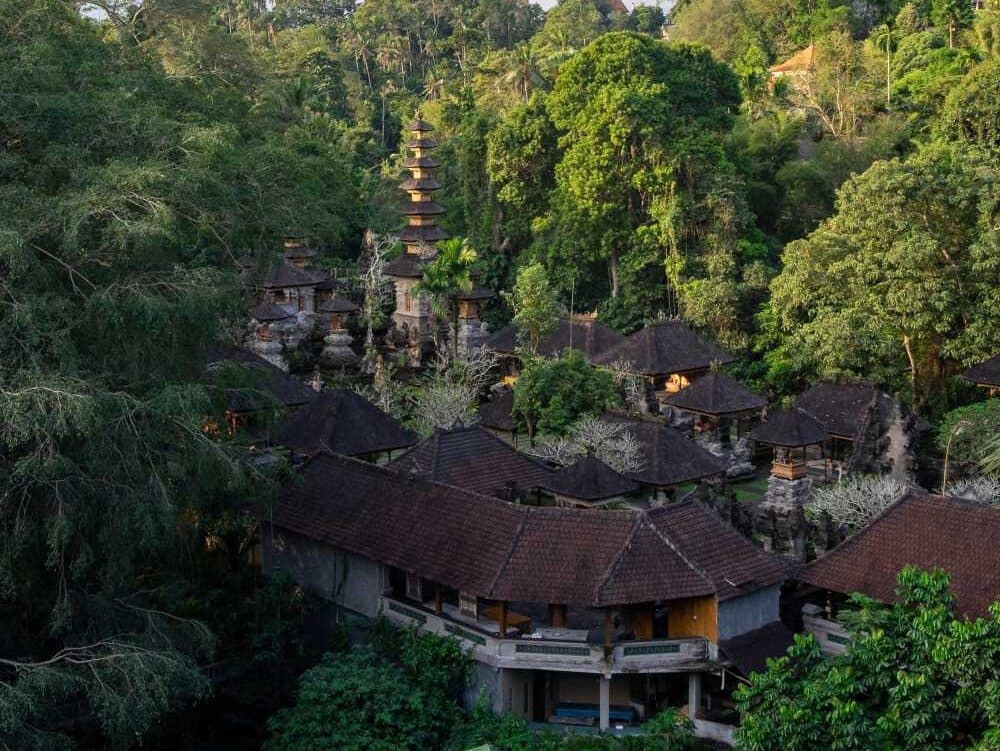
Tucked deep in the ravines of Campuhan Valley, Ubud, at the confluence of two rivers, Pura Gunung Lebah is a spiritual cornerstone of the region. Its founding is tied to the arrival of one of Bali’s most important historical figures, and was part of the earliest waves of sacred Hindu sites being upon the island.
The earliest recording of Ubud’s history is believed to have gone back to the 8th century with the arrival of the first Hindus, led by a holy man named Rsi Markandya. When in East Java, he climbed to the slopes of Mt. Raung, from where he first laid eyes on the island of Bali, and the looming giant in the distance: To Langkir, or what we know today as Mt. Agung.
This sparked his mission, to cross the straits and reach the top of the majestic volcano, beginning his pivotal pilgrimage across Bali that would change the island forever.
His long journey brought him to central Bali, first to Taro village, north of Ubud, where a temple dedicated to his Javanese mountain viewpoint, Pura Agung Gunung Raung. Travelling southwards, he was called by the spiritual energy of Campuhan, or ‘confluence’, a spot where two rivers meet Wos Tengen (left) and Wos Kiwa (right). Markandaya would meditate at this convergence, and so, Pura Gunung Lebah (meaning small hill in Old Balinese) was built just above the river banks.
His long journey brought him to central Bali, first to Taro village, north of Ubud, where a temple dedicated to his Javanese mountain viewpoint, Pura Agung Gunung Raung.
Water, being a revered element of purification in Hindu belief, ties this temple to the Goddess of the Lake, Dewi Danu, and is thus spiritually connected to Pura Ulun Danu Batur – the primary lake temple at Lake Batur, from where the waters of the Wos originate. A five-tiered meru shrine inside Pura Gunung Lebah serves as a stana, or seat, for the temple deities of Ulun Danu Batur.
This spiritual significance put Ubud on the map. During his venture through the surrounding forests, Rsi Markandaya and company found many medicinal herbs and plants, as the source of these healing botanicals the area came to be known as ubad, the Balinese word for medicine.
From there, the priest would continue his mission eastwards to the summit of Mt.Agung, where he would eventually establish the beginnings of Bali’s mother temple, Pura Besakih.
Read Next
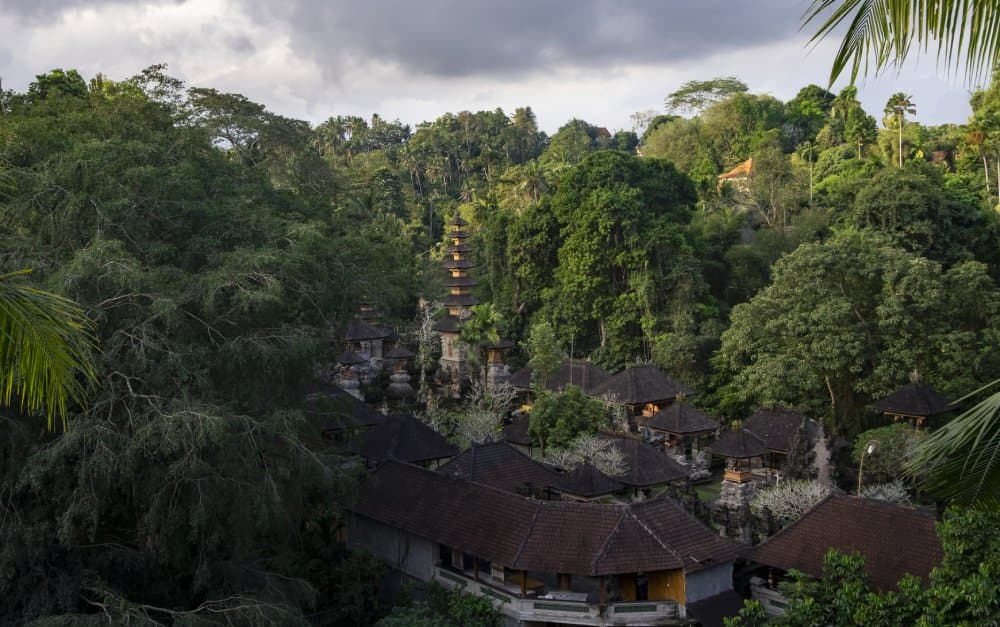
A Brief History of Ubud: Cultural and Spiritual Heart of Bali
Recognised as the cultural and spiritual heart of Bali, Ubud history is in one way or another the birth of the island’s history itself.
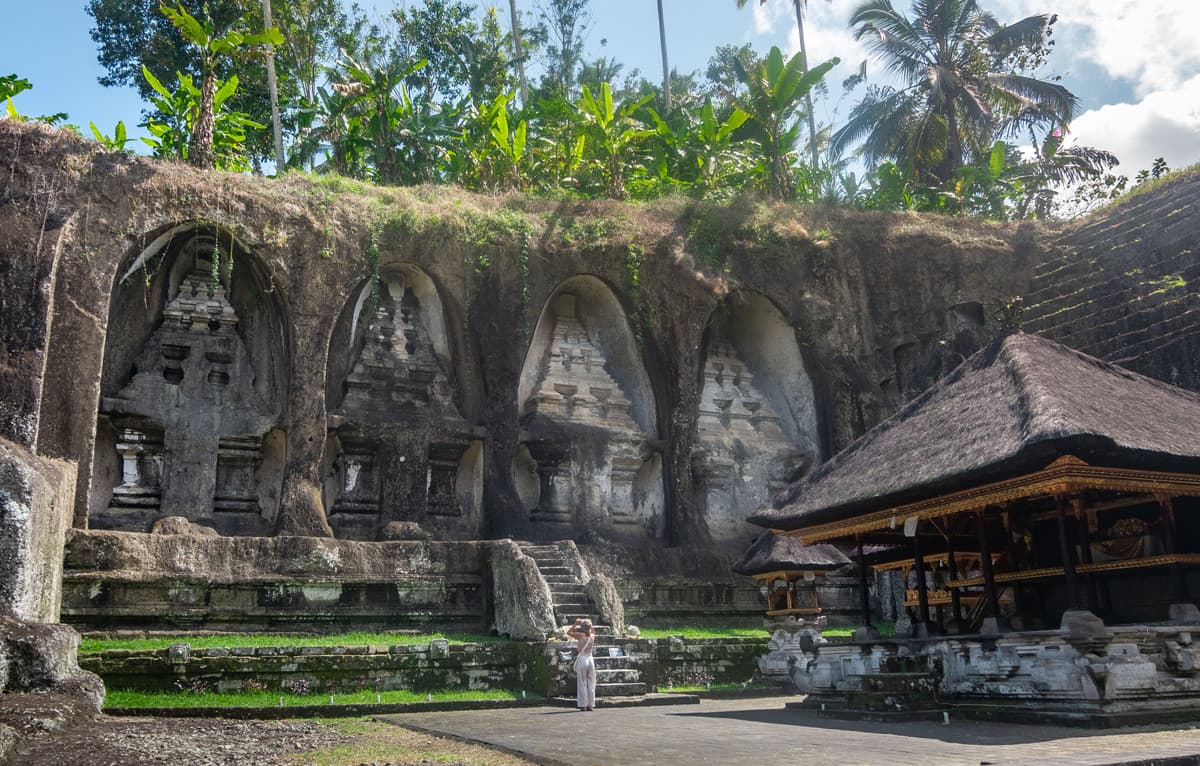
Gunung Kawi: A Window into Ancient Bali
Gunung Kawi, found in Tampaksiring north of Ubud, is an 11th Century temple complex from an old and ancient Balinese Hindu civilisation.

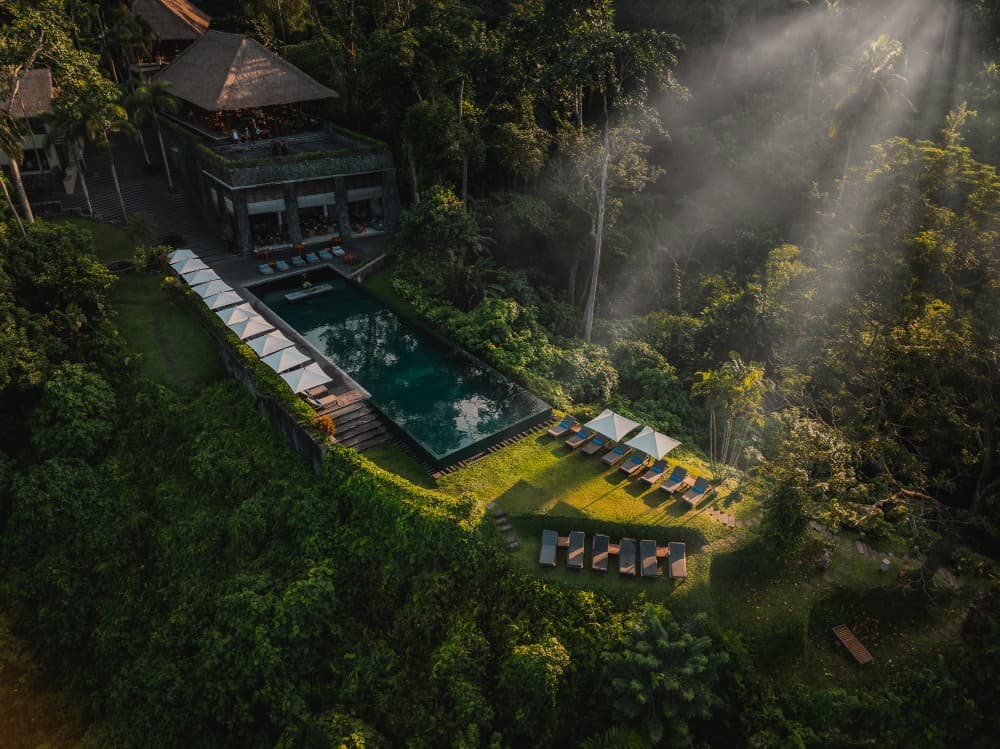
Finding Tranquillity Amidst Nature’s Embrace at Alila Ubud
Gracefully perched above the Ayung River, Alila Ubud invites you to fully immerse yourself in the magical charm and tranquillity of Ubud.
Anantara Ubud Bali Resort Opens Deep in the Jungles of Payangan
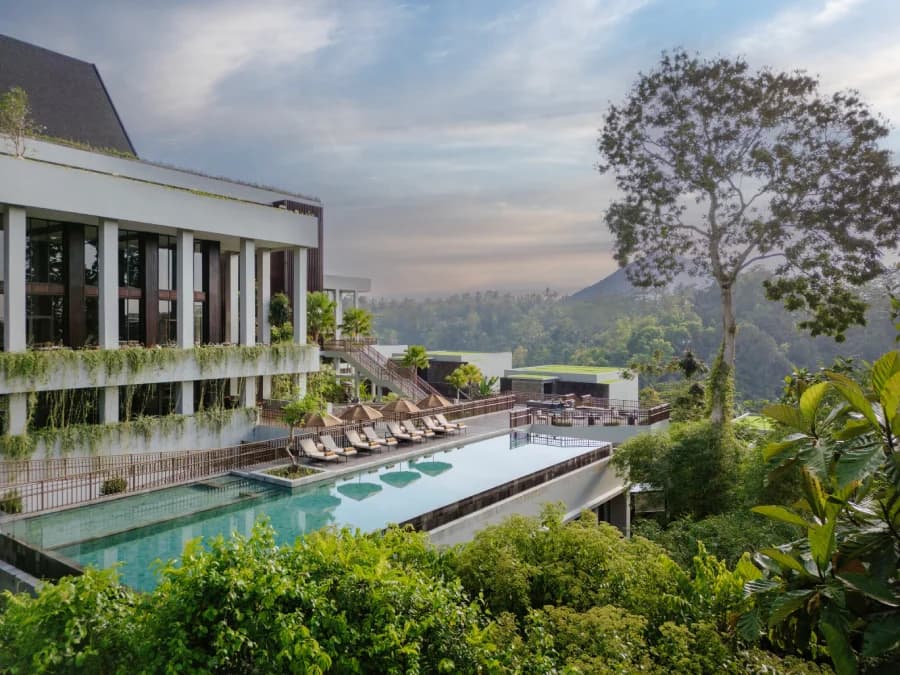
Anantara Ubud Bali Resort promises true seclusion in a jungle-ensconced retreat found north of Ubud.