
The Spiritual Sounds of the Gamelan
Gamelan in Bali is more than music; it’s the soul of rituals, symbolizin God, passed down for centuries with skilled craftsmen and sacred traditions.
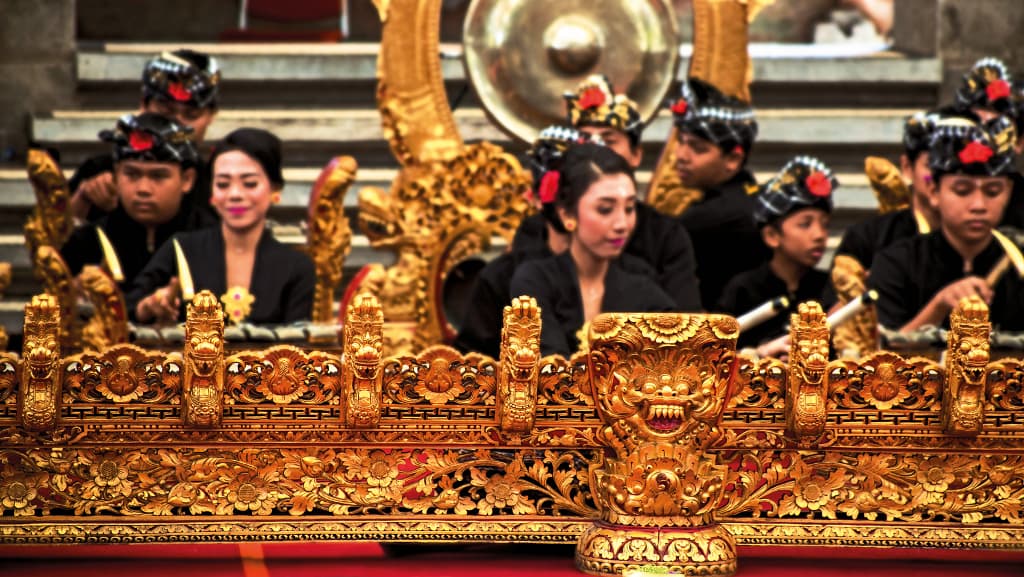
By now you might have overdoses on the dynamic clanks and clonks of the gamelan, Bali’s traditional orchestra comprised of several musical instruments. This is particularly the case on “good dates”, or auspicious days, where religious rites take place around the island and the sound of the gamelan echo all around.
Whilst the musical range of the gamelan doesn’t quite compete with that of a classical orchestra, its important to note that the gamelan is more than just a form of art. The music is the soul of every religious ceremony and traditional ritual on the island. The Balinese Hindu have a concept called Panca Gita, meaning five songs or sounds that arouse spiritual and joyful feelings, necessary to complete a ritual. First is the sound of the Kulkul, a wooden bell usually hung at the Kulkul tower at the Banjar or village centre. The Kulkul, with its wooden cowbell like sound, is used as the call for gatherings. The gamelan is another one of the five sounds, its purpose is to accompany every step of the rituals. Then there is the Dharmaghita, which is the kidung or kekawin, the holy hymn. There is the Genta or the bell held by the priest. And the last sound, but probably the most important one is the prayer sung by the priest.
In his book, titled Prakempa, Prof. Dr. I Made Bandem, Bali’s prominent cultural expert explained that every tone of gamelan symbolises God. Every gamelan musician respects the instrument and treats it accordingly. It is very usual to see the musicians pray before playing an ensemble and to have a small offering on the side of the stage. The technique of playing the gamelan begins with the seating position and posture. It takes long hours of practice to master the technique of playing one instrument and also to play cohesively with the entire group. Of course, there is more than just one type of gamelan. They are in fact categorised into four groups; Gamelan Tua (or old), Madya (middle), Baru (new) and Gamelan Kontemporer. On top of that, they can also be categorised on the material used to make them, such as Gamelan Krawang (made of bronze), Gamelan Slonding (made of iron) and the Rindik (made of bamboo). Whilst the materials and age of these instruments may vary, when it comes to the rhythm they are all the same, playing that signature Balinese style of fast tempo, dynamic, loud and expressive!
Tihingan Village is the home of gamelan craftsmen. Signboards saying “Gong Smith” can be found easily in this little village of Klungkung Regency. In the village, the skill and the art of gamelan making has been passed down from generation to generation since the era of the Gelgel Kingdom in early 16th century. I Made Dibia, an expert in Balinese Culture, in one documentary about Gamelan Bali made by Kompas Newspaper, explained that the literature about Gamelan Bali is dated since before 15th century. Gamelan has been evolving since the 16th century since the 20th century has continued to develop.
So, next time you hear the clanks and clonks of the gamelan, remember you’re hearing the sounds of history, you’re hearing the work of the Tihingan craftsmen, you’re hearing one of the Panca Gita. Then you will certainly appreciate the sounds you hear.
Read Next
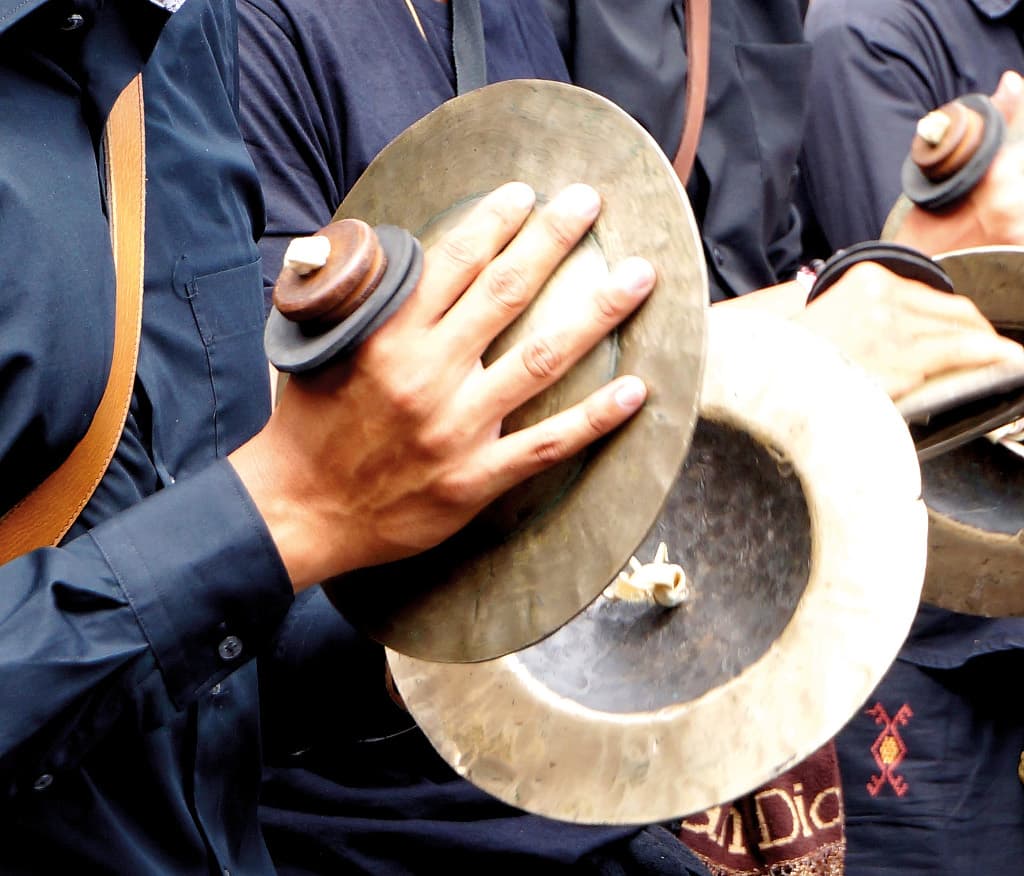
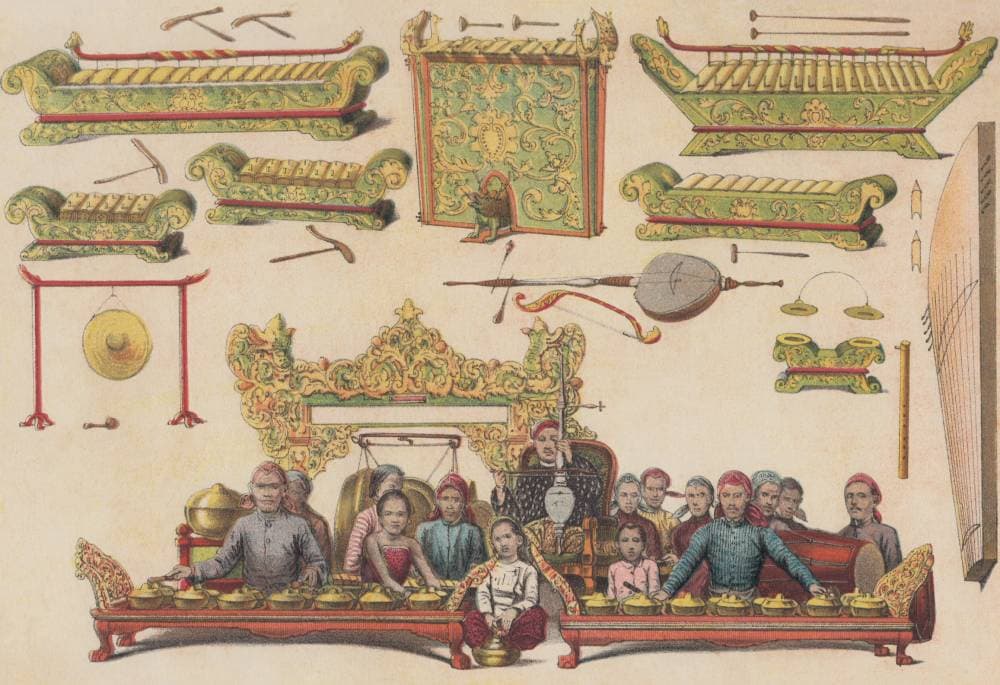
A Historical Look at the Musical Instruments of Bali and Java
Indonesia is home to many musical styles and instruments. It is not merely entertainment, but a rhythm that courses through daily life and spiritual rituals.
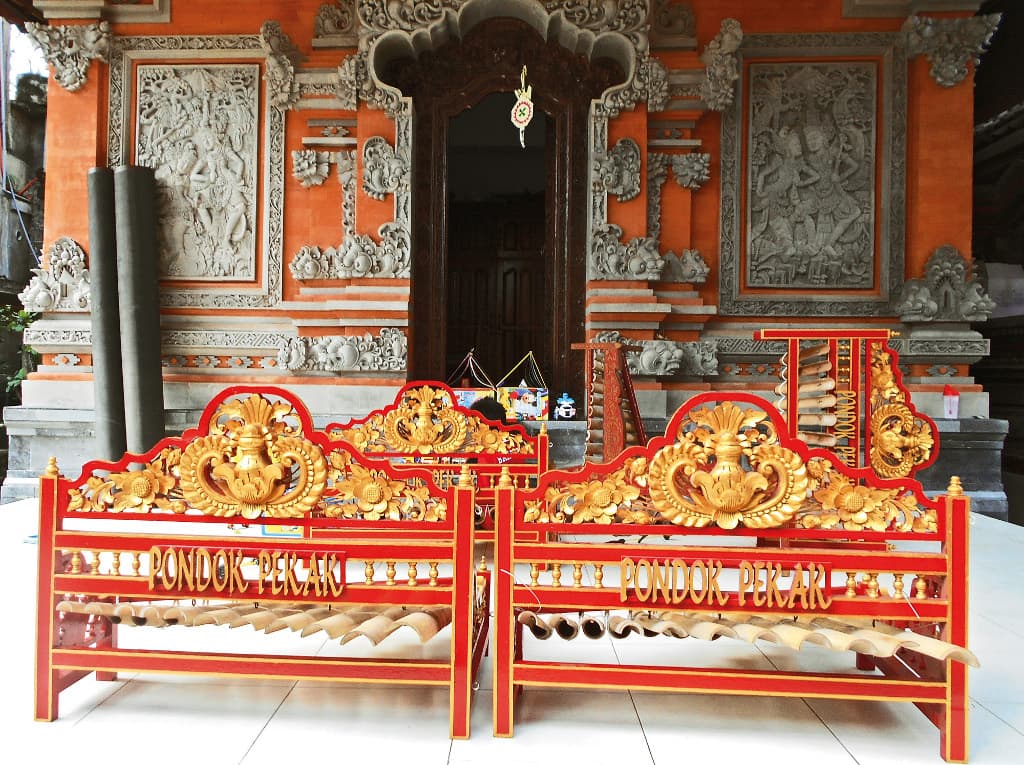
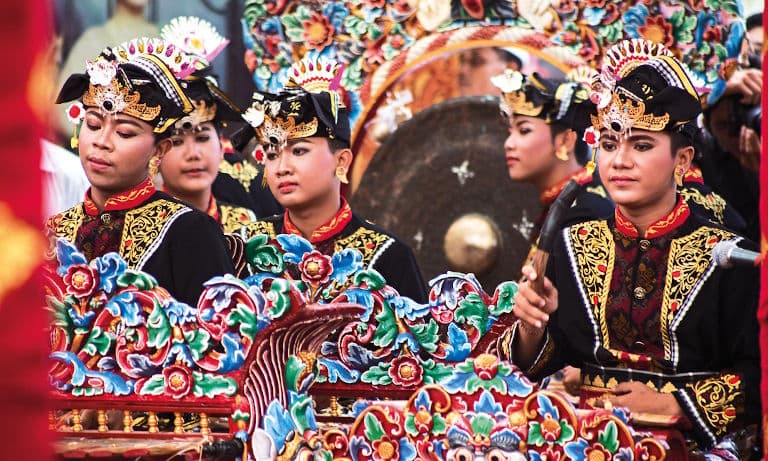
Tumpek Krulut: The Balinese Day of Affection and an Homage to Music
Discover Tumpek Krulut, Bali’s day of love and music, celebrating harmony, gamelan, and affection in Balinese culture.
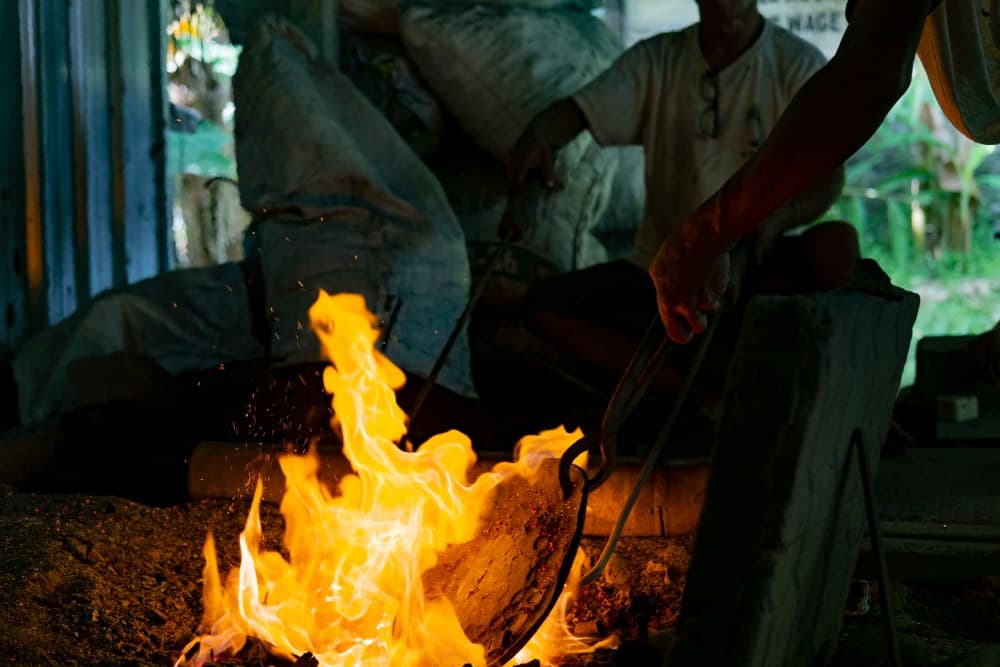
Pande Gong: The Gamelan Makers of Tihingan Village
Clang! Dug! Ting!… These are the rhythms of the pande gong of Tihingan Village, the makers of Bali’s traditional gamelan.
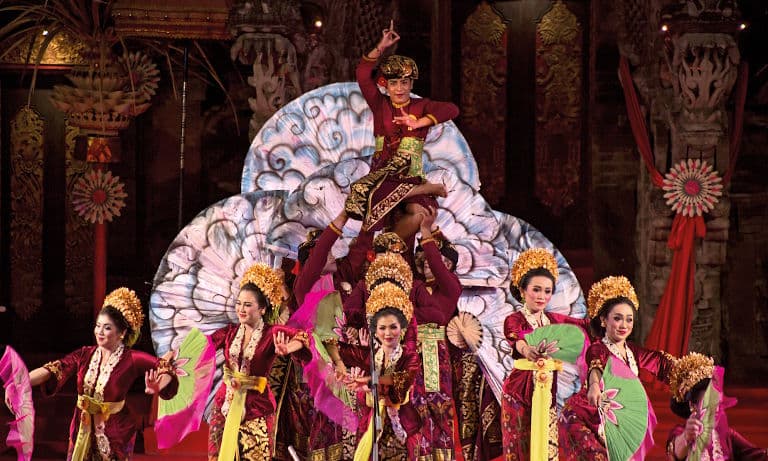
Sandya Gita Kotamaning Bayu
At the Bali Art Festival, Sandya Gita Komaning Bayu dazzled with Balinese dance, gamelan, and kidung, performed by Badung’s talented troupe.