
The Wiranjaya Dance
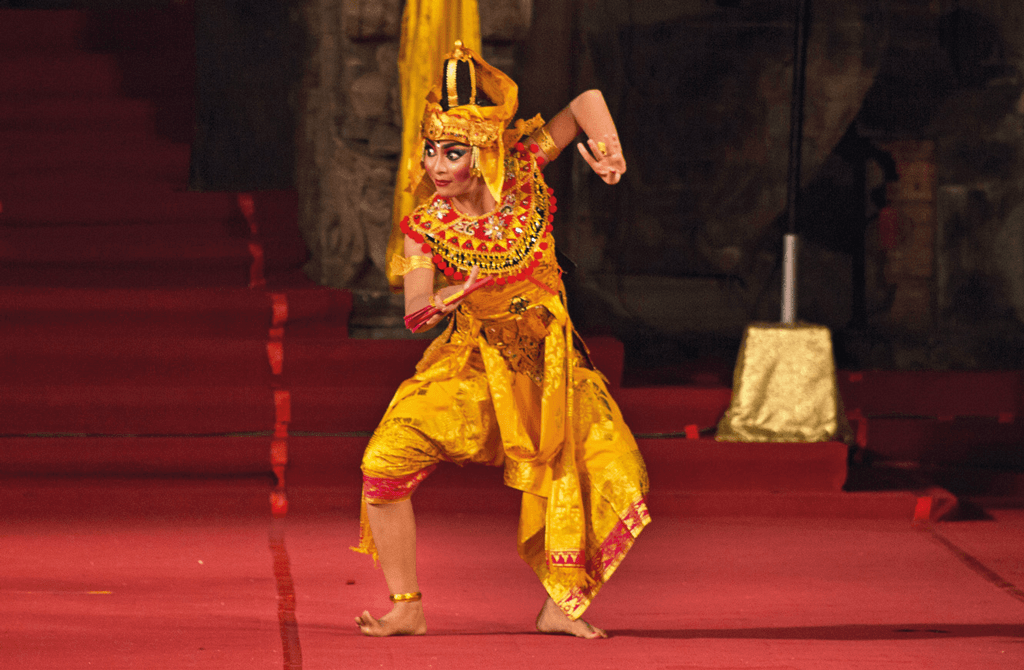
Pesta Kesenian Bali, organized by the government of the province, started in 1979 and has taken place each year. The last event, that just finished in early July, charmed thousands of visitors on each day and caused a successful amount of traffic. Apart from performances by the groups of artist from the island, participation from many regions beyond Bali were also listed on the performance schedule. One of them are the Dancers and Musicians group of Mataram, the capital city of Nusa Tenggara Barat. They came to compete in the Gong Kebyar battle. One of the dances they performed was Wiranjaya Dance.
The Wiranjaya dance belongs to Bebalihan Dance, meaning the aims of the performance is to entertain people, and usually performed on a commercial stage or outside the sacred compounds of a temple on a ceremonial day. The dance is classified as a Kekebyaran perfomance style that is known to have strong character routines, fast and firm steps, and sudden shifts from one stance to another. All those characteristics can be seen in Wiranjaya Dance. Performed by two female dancers, wearing masculine attire, Wiranjaya dance was created by a dancer from Kedis Village in Buleleng Regency, I Ketut Merdana in the early 40s. The choreography is intended to narrate the journey of Nakula and Sahadewa, two characters from Mahabharata epic. Both twin brothers are the youngest sons of Pandu, the King of Hastinapur - this epic that arrived in Indonesia, along with the Hinduism from India, is well known to the Indonesian.
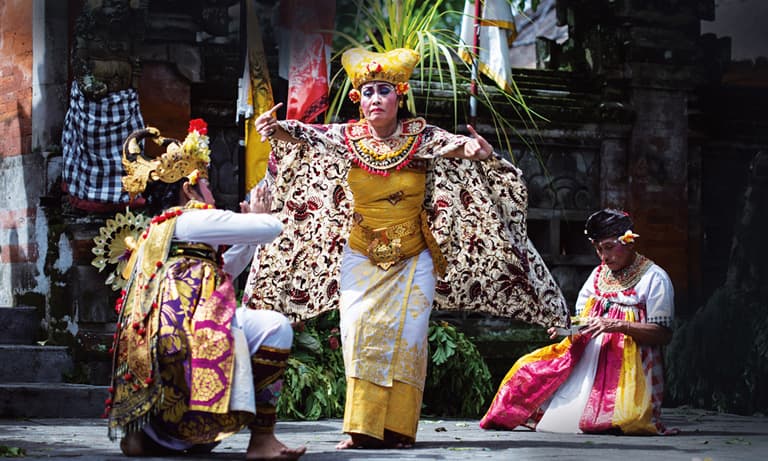
Wiranjaya dance is truly captivating for both eyes and ears, as the entire dance movements enriched by the blend of fast melodies and rhythms. The dynamic movements are made more alive by the quick shift from one tune to another. To listen to a series of explosion in harmony makes one feel rather energetic. The costumes are dazzling. The dancers wear wrap around fabrics with patterns printed in a shimmering gold colour, knee length shorts covered with drapery with gold details, leather necklace with beads, gold and other details with vibrant colours, gold bracelets, gold arm bracelets, and mountain shaped hair dress. The sparkling outfit represents the image of the royal knights.
Wiranjaya dance is truly captivating for both eyes and ears, as the entire dance movements enriched by the blend of fast melodies and rhythms.
Read Next
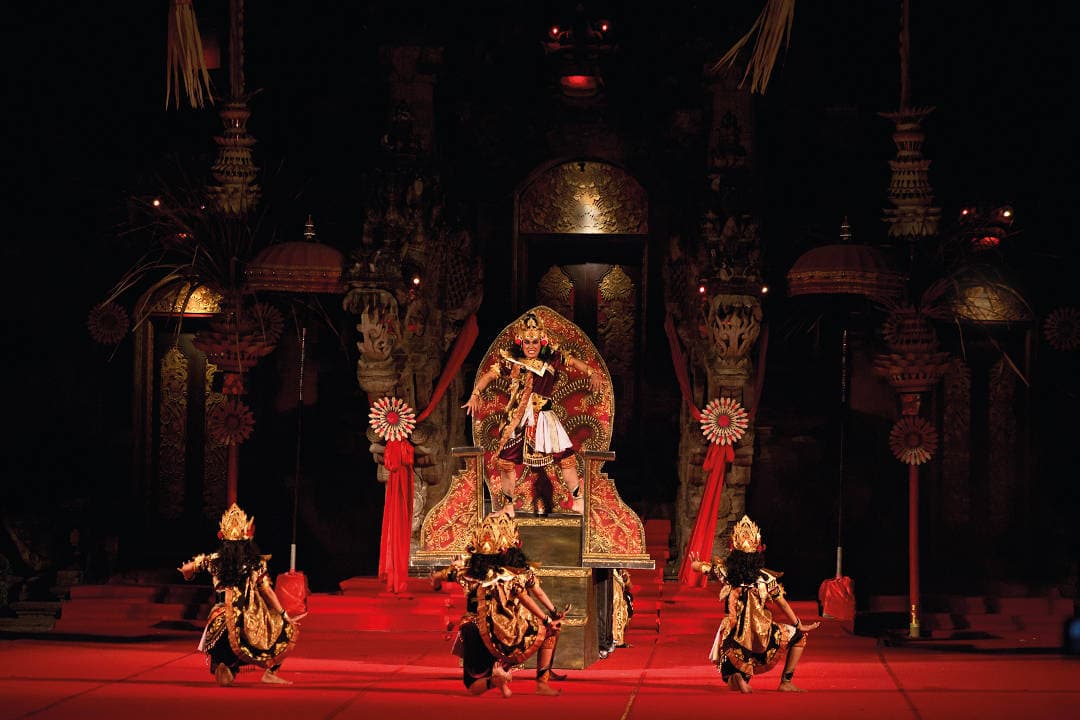
The Kekebyaran Purancak Dance of West Bali
Purancak Dance from Jembrana tells the epic clash between Dang Hyang Nirartha and King Rangsasa through vibrant Kekebyaran dance and gamelan.
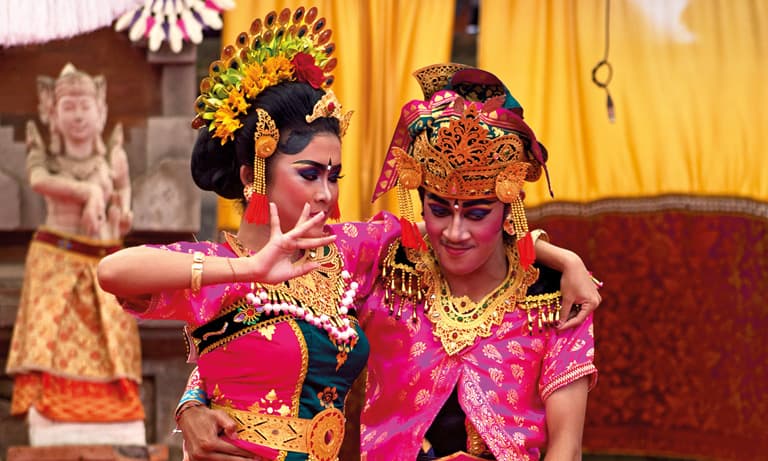
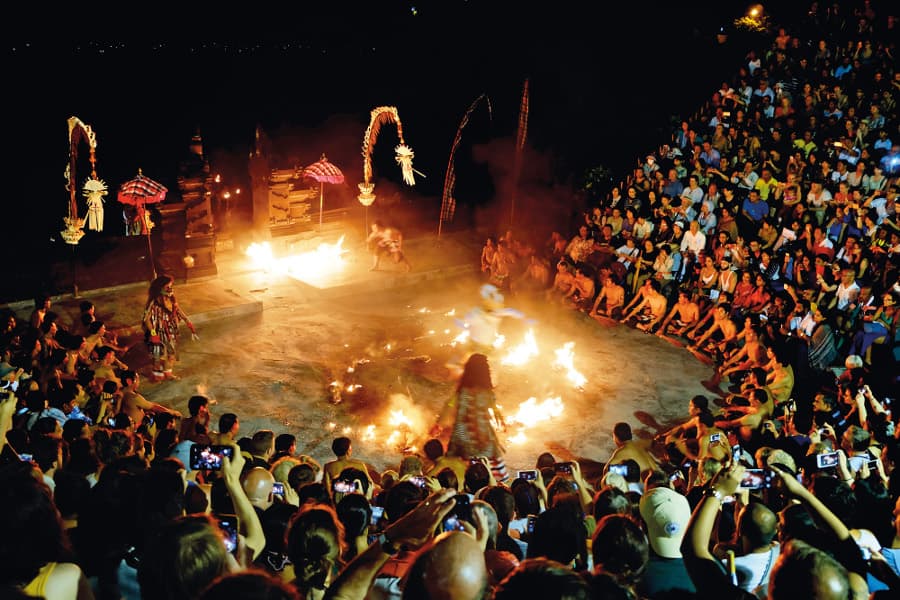
Bali's Nightly Kecak Dance
The famous fire dance of Bali, known as the Kecak Dance, can be found all around the island in different forms. Here we share where you can find it.
A Beginner’s Guide to Balinese Dance
What are the categories of Balinese dance, and what are the most foundational stances? This is your guide to Balinese dance.