
Behind The Apurva Kempinski Bali's Majapahit-Inspired Architectural Masterpiece
The Apurva Kempinski Bali honours Indonesia’s heritage with a majestic design inspired by the grandeur of the Majapahit Empire.
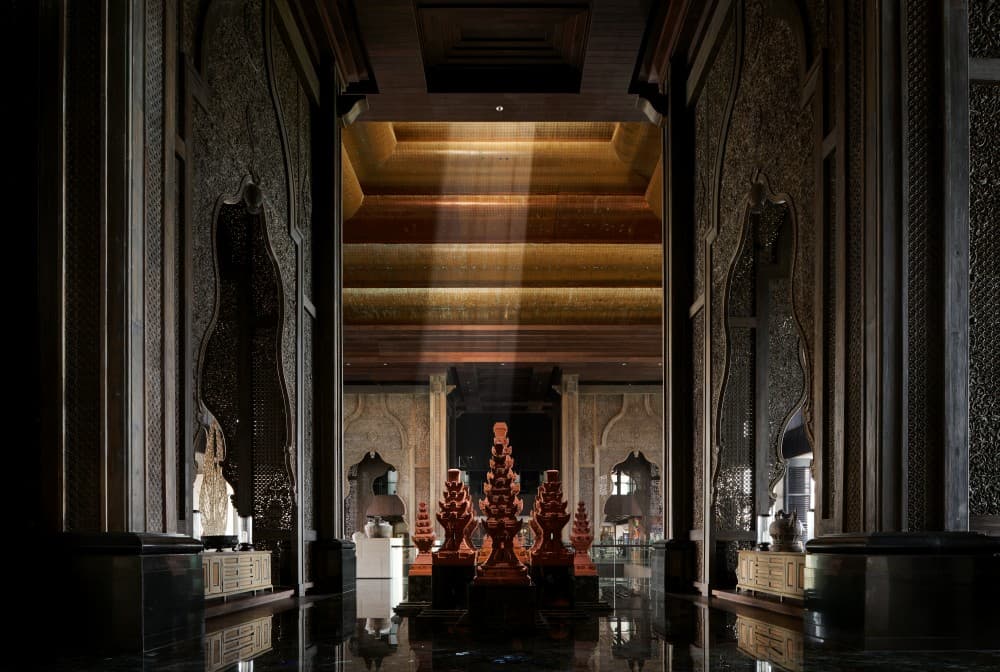
Taking a distinctive approach to honouring Indonesia's ancient heritage, The Apurva Kempinski Bali in Nusa Dua presents a majestic display that mirrors the might and grace of the Majapahit Empire, a defining era in the nation’s cultural identity.
Tasked with capturing the grandeur of this period, architect Budiman Hendropurnomo of Denton Corker Marshall and interior designer Rudy Dodo of Trivium Design Group delved into archival texts and centuries-old literature, drawing inspiration for the resort’s breathtaking design.
The resort’s impressive façade is best admired from the beachfront, where it rises like a palace carved into the cliffside. At its heart lies a dramatic 250-step staircase, inspired by Bali’s mother temple, Pura Besakih. On either side, tiered green roofs cascade down the hillside, complemented by flowing water features that evoke Bali’s traditional subak irrigation system. Together, these elements create the impression of a larger-than-life open-air theatre.
Modelled after an ancient royal pendopo, an old Javanese reception hall used for important meetings and ceremonies, the lobby is a jaw-dropping space which covers 2,000 sqm and soars 14 metres up to the tapered gold roof. Craftsmen and artisans from across the country were involved in its creation, as this was a construction of traditional architecture on a scale never done before.
Filling this colossal space are four seating areas divided by towering hand-carved gebyok partitions, each measuring 12 by 8 metres of intricately hand-carved teak, displaying the extraordinary skill of Indonesia’s artisans.
Paying tribute to the Majapahit era as an early archipelagic kingdom, the resort also showcases a rich array of handicrafts from across the nation. Woven Sumba textiles, handmade Jepara wood carvings, and decorative art from Sulawesi, Papua and Kalimantan are displayed throughout the resort, celebrating the diverse cultural heritage of Indonesia.
Paying tribute to the Majapahit era as an early archipelagic kingdom, the resort also showcases a rich array of handicrafts from across the nation.
For more information, please contact +62 361 2092288 or follow @kempinskibali on Instagram.
The Apurva Kempinski Bali
Jl. Raya Nusa Dua Selatan, Sawangan
+62 361 2092288
@kempinskibali
kempinski.com/bali
Read Next
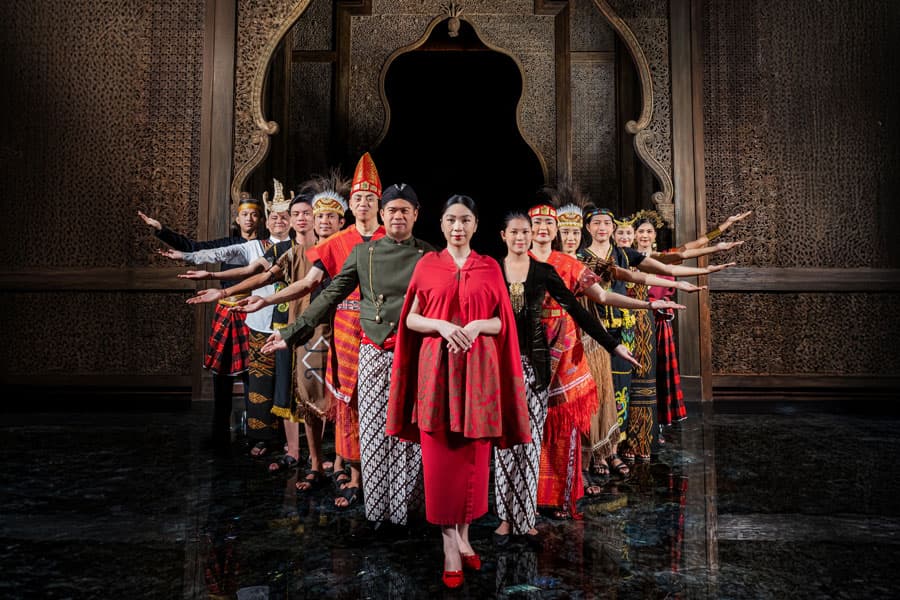
How The Apurva Kempinski Bali is Putting Indonesian Heritage on a Global Stage
The Apurva Kempinski Bali launches their 2025 annual campaign, ‘Powerful Indonesia to the World.
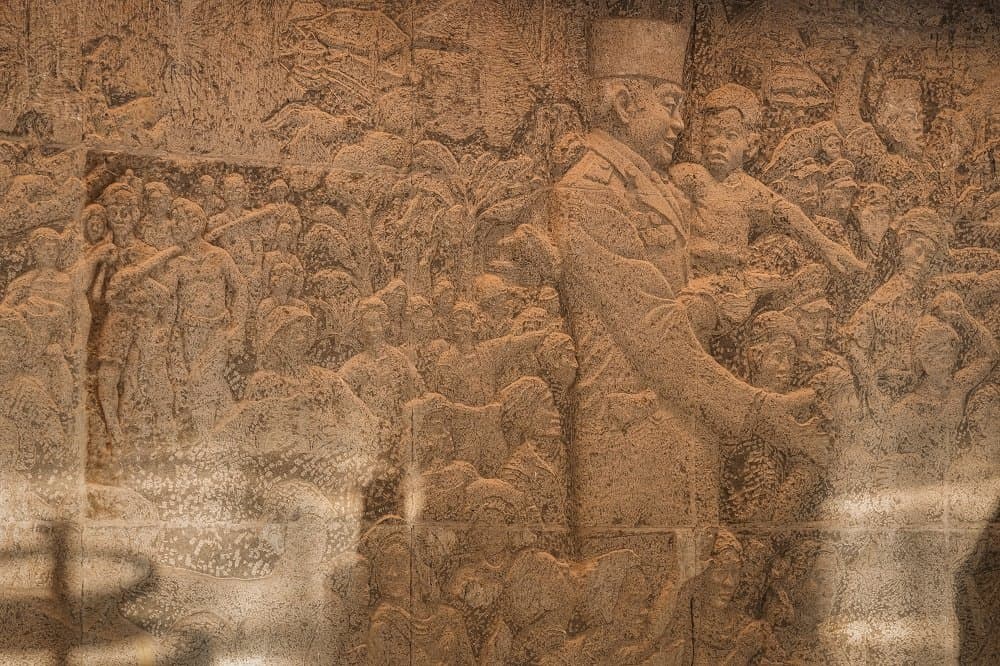
Weaving Balinese Art and Culture Into Bali’s Most Iconic Hotels and Resorts
Discover Bali’s artistic soul through hotels that blend local heritage, design, and culture into immersive, art-filled stays.
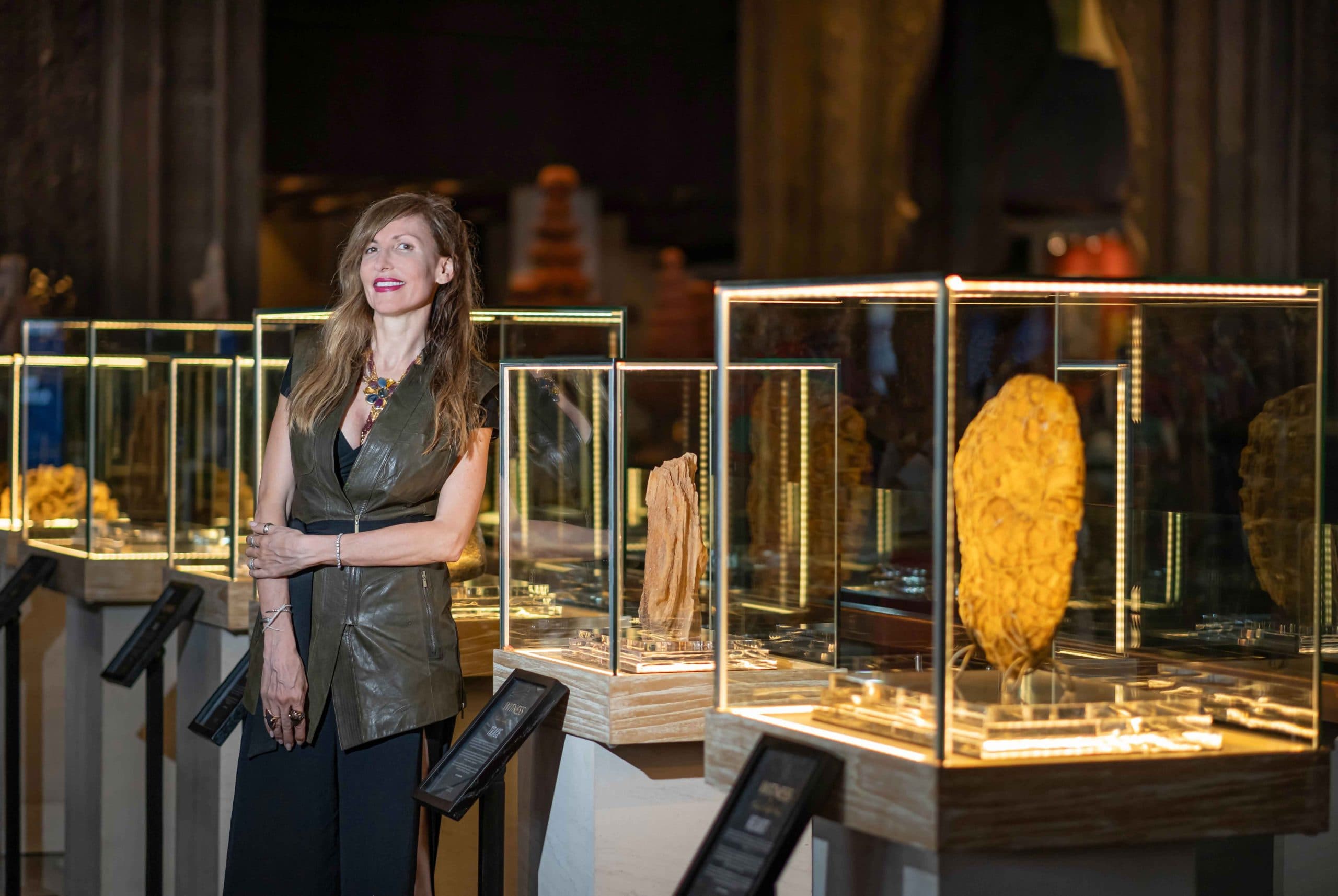
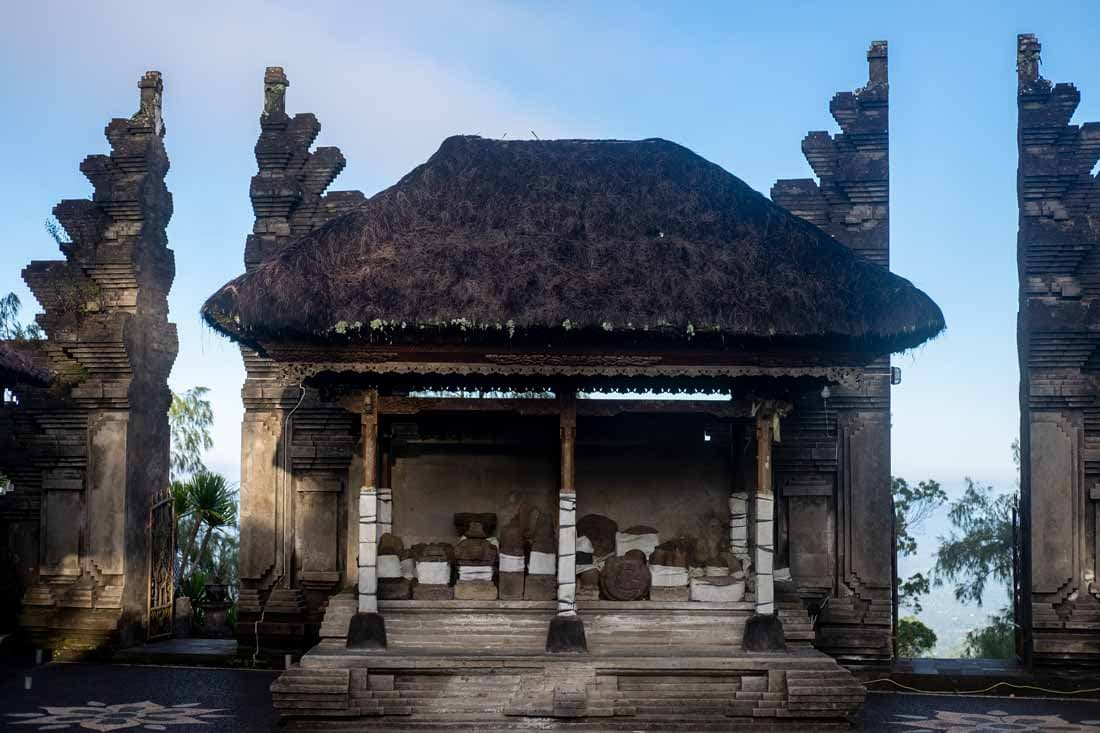
Pura Puncak Penulisan, A Megalithic Museum
One of Bali’s oldest temples, Pura Puncak Penulisan in Kintamani is thought to be first built in 300 AD during Bali’s bronze age.
Senduro: The Persistent Shadow of Majapahit over Java and Bali
Explore how the Javanese village of Senduro preserves its ancient Majapahit roots and unique Hindu identity linked deeply to Bali.