
Pura Maospahit: A Remnant of the Majapahit Empire in Denpasar
Pura Maospahit is an ancient temple compound that dates back to the early days when the Majapahit Empire first established itself in Bali.
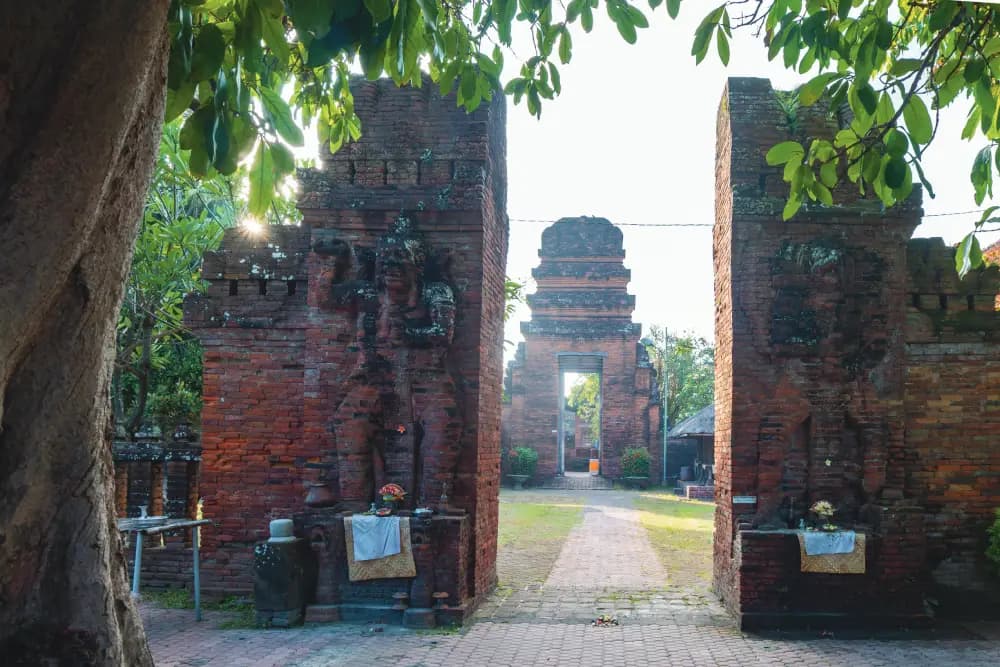
Found in the area of Pemecutan, Denpasar, Pura Maospahit is an ancient temple compound that dates back to the early days when the Majapahit Empire first established itself in Bali.
Denpasar has long been a significant region in Bali. Ancient inscriptions, such as the Blanjong inscription in Sanur (913 AD), hint at an organised civilisation living in the area more than a thousand years ago!
Though, it was only after the Majapahit Empire entered Bali in 1343 that the area became of regional importance. Under the suzerainty of the Gelgel Kingdom (based in Klungkung, a vassal state of Majapahit), Bali was home to nine separate kingdoms (later to evolve into the nine regencies) one of which was Badung. Though not called Denpasar at the time, the area was the heart and centre of this southern dominion.
A significant remnant of that history is found at Pura Maospahit. The clue is certainly in the name as this ancient temple displays an architectural style that links it directly to the Majapahit style. For one, its use of red bricks is a distinguishing feature; the temple’s thick, almost stocky, outer and dividing walls, candi bentar gate and central kori agung doorway are reminiscent of the structures one would see in Trowulan (modern day Mojokerto), East Java, the heart of Majapahit.
A significant remnant of that history is found at Pura Maospahit.
The Candi Bentar between the outer and central compounds featuring specific ornamentation, large-scale depictions of the gods Bima and Garuda carved out of the brick. The pillars of the dividing wall also feature the carved figures of Cangkara, Indra, Yama, Kwera and Waruna.
Through the intricately carved doorway in the tiered Kori Agung, impressive in itself, one will enter the inner compound, or the jeroan. Here, more Majapahit stylisations are prevalent, especially the square-based shrines, with its bases featuring classical Majapahit iconography. One of the main shrine buildings, ‘Gedong Candi Raras Maospahit’ is believed to predate the temple complex (circa 14th century), chronicled as being made by the legendary Balinese warrior figure Kebo Iwa, though dates vary.
Read our full article on the History of Denpasar to find out more.
Read Next
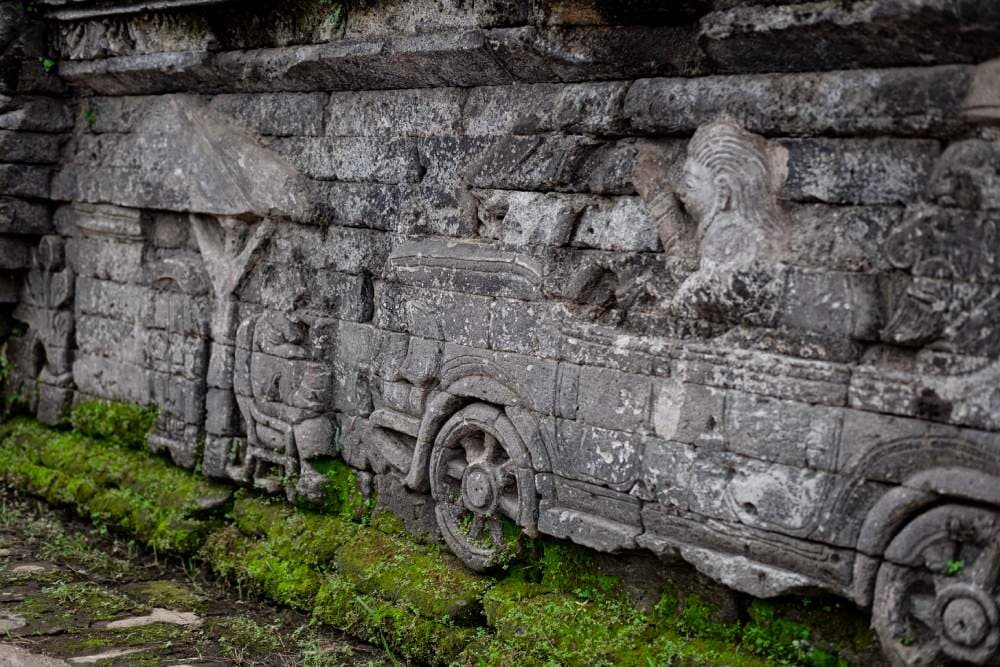
Pura Dalem Jagaraga, History Carved into the Walls
The village was damaged during the Dutch attack and the original ‘Pura Dalem’ was destroyed. So, Pura Dalem Jagaraga was built in its stead.
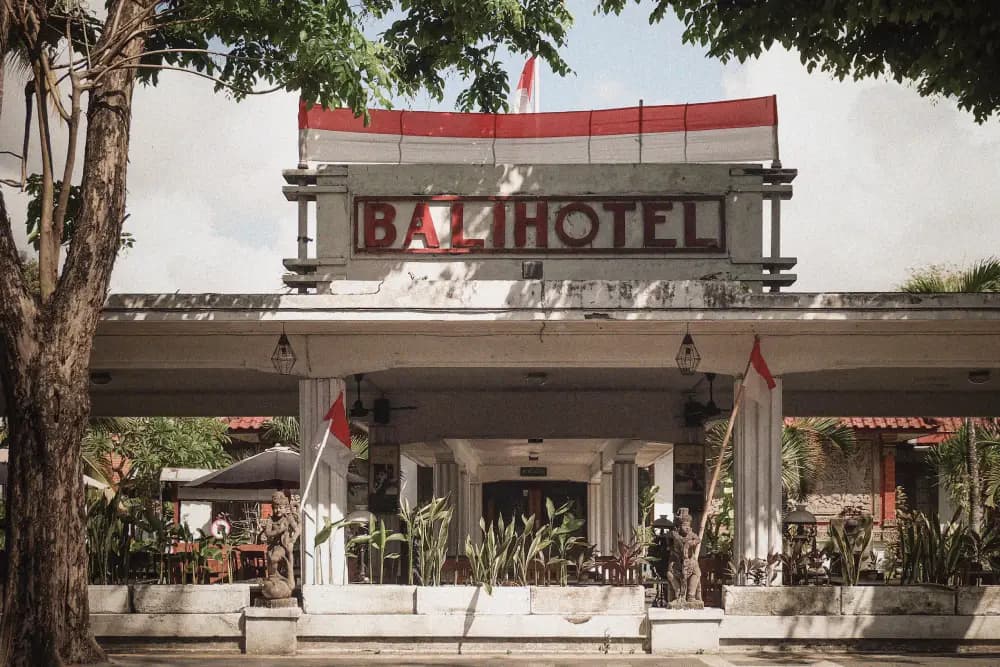
Denpasar: Searching for History in Bali's Capital City
A guide and history of Denpasar, Bali's capital city, bringing to light ancient sites and heritage destinations and the birth of a city.
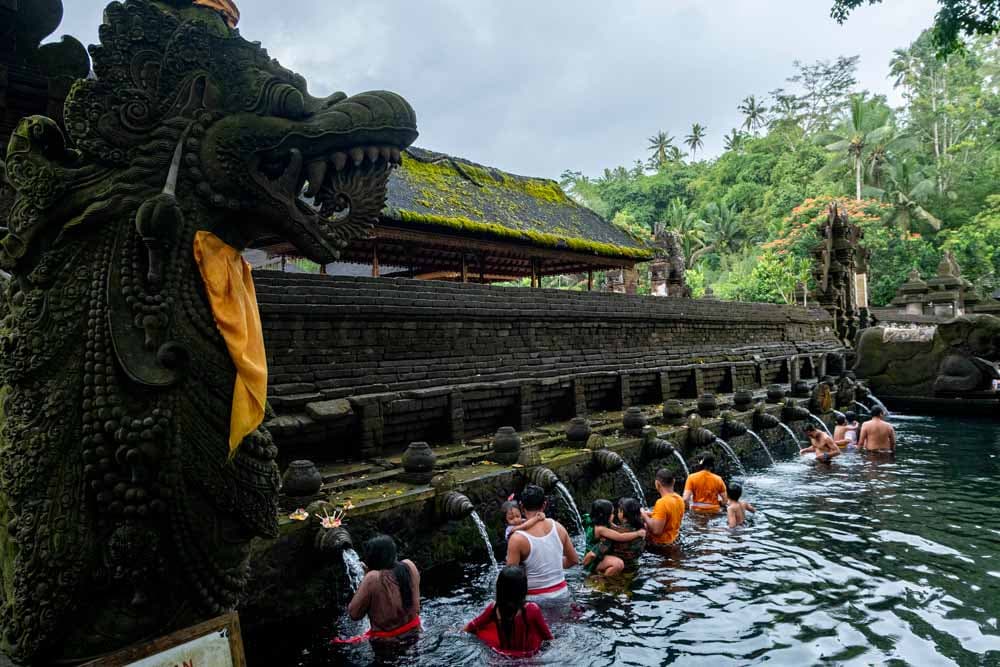
Pura Tirta Empul: The Holy Spring of Indra
The most famous holy spring temple in Bali, Pura Tirta Empul, is where pilgrims go for the melukat cleansing ceremony.
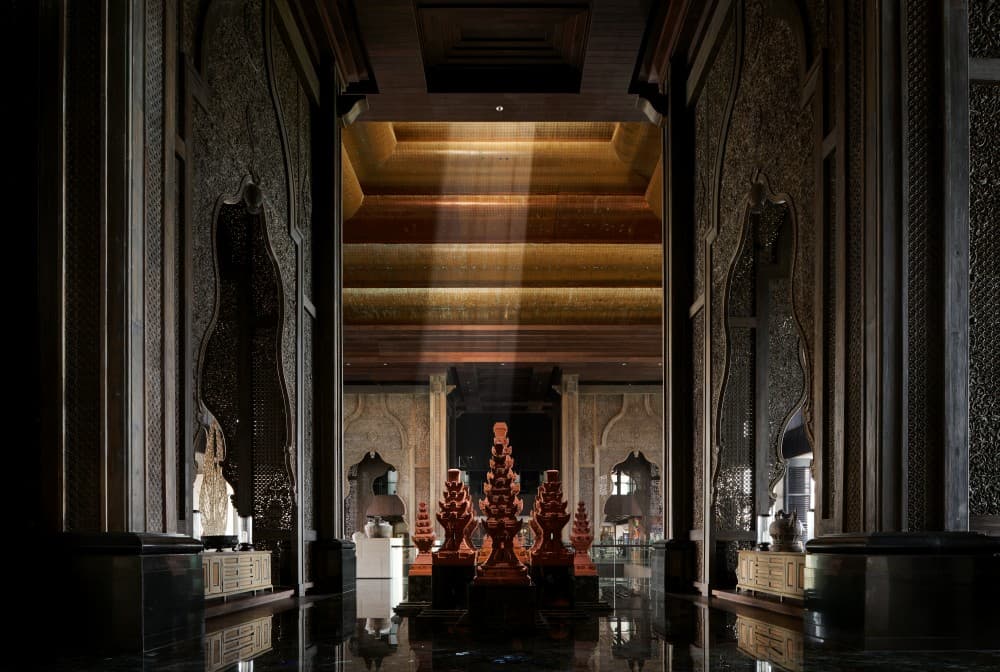
Behind The Apurva Kempinski Bali's Majapahit-Inspired Architectural Masterpiece
The Apurva Kempinski Bali honours Indonesia’s heritage with a majestic design inspired by the grandeur of the Majapahit Empire.