Pura Meduwe Karang: Life Immortalised in Stone
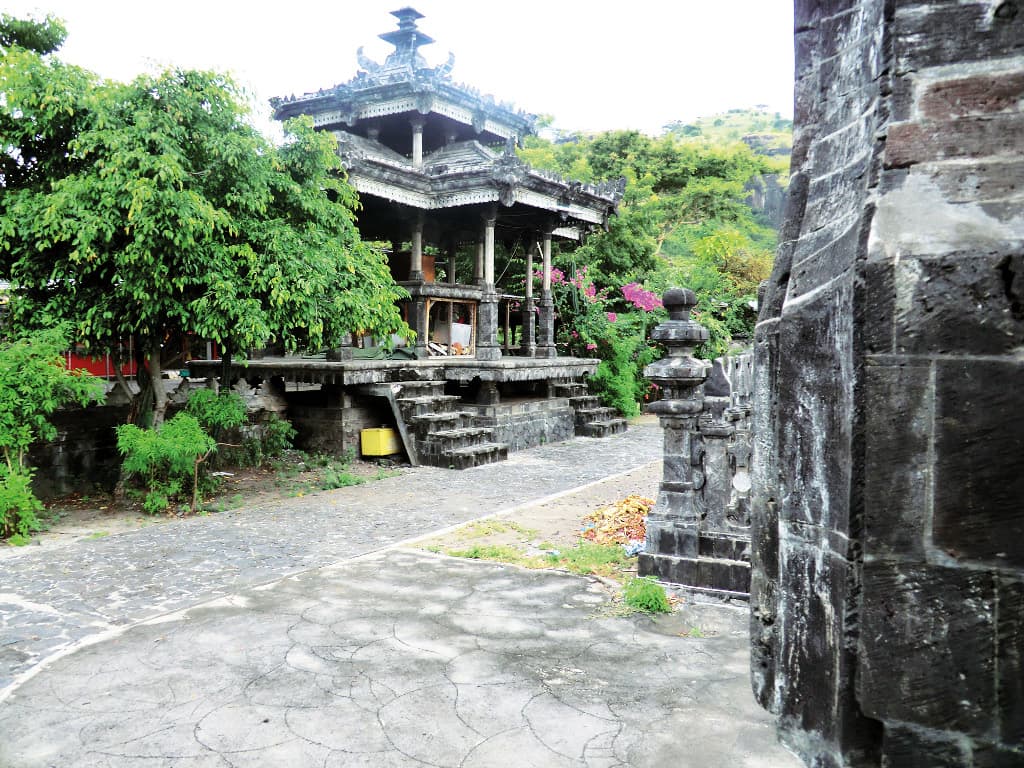
One of the most significant temples in North Bali is Pura Meduwe Karang, where the interest lies in the stories that its walls share.
The black volcanic and red earth bricks dominate much of the temple architecture of South Bali, and as beautiful as they may be, they are no match for the truly ornate temples of North Bali. The ‘pura’ of Buleleng Regency are almost Gothic in their aesthetic, featuring intricately carved walls, reliefs and statues that protrude dramatically.
One of the most significant temples in the north is Pura Meduwe Karang, found 10km east of Singaraja. Despite its importance to the region, it is humble in size, but the interest lies in the stories its walls share. History notes that the temple was built back in 1890, as new settlers found a home in Kubutambahan Village, in search for arable land. When they settled, they needed a new place of worship and as this was a temple established by an agrarian society it would be dedicated to Batara Meduwe Karang, or “lord possessing the ground”, a deity responsible for agricultural land, specifically that of dry crops.
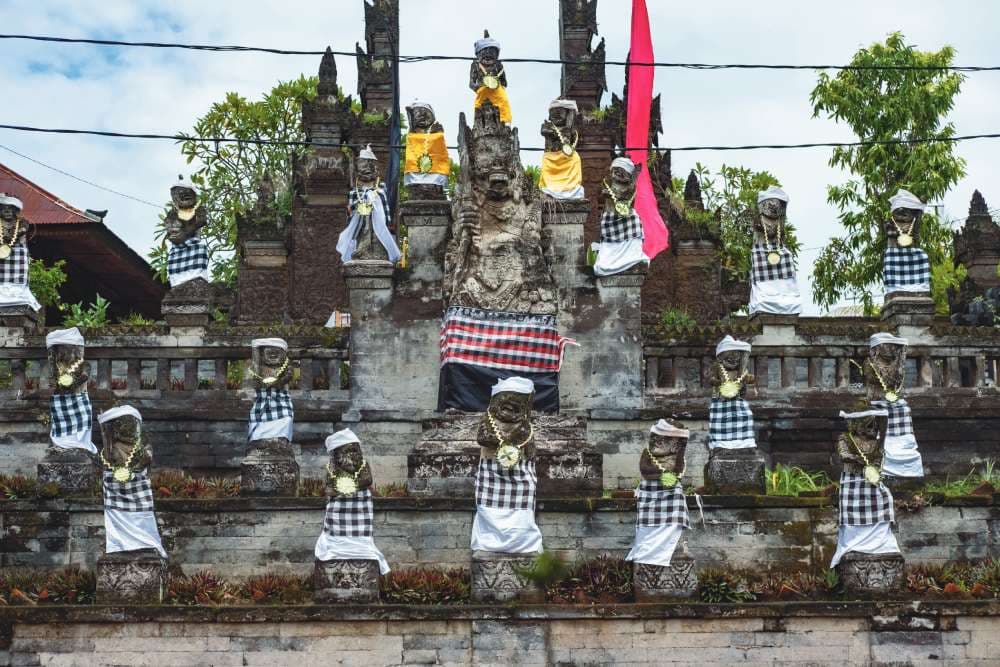
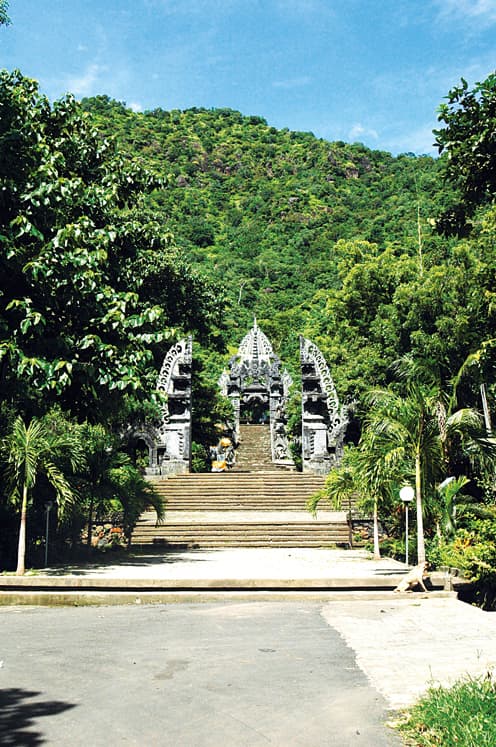
36 stone figures, representing characters from the Ramayana epic, stand guard at its front, terracing up towards the main temple area. Like all temples in Bali, Pura Meduwe Karang follows the Tri Mandala structure, featuring three separate compounds. However, it is the stonework found in the Utama Mandala (or jeroan), the innermost sanctum, where this temple showcases its real individuality.
The main shrine, Betara Luhur Ing Angkasa honours the main deity; it is flanked by two towers known as gedong sari. One is dedicated to Ratu Ayu Sari, a manifestation of mother earth, and the other dedicated to Ratu Ngurah Sari, protector of the produce of the earth. The bas-reliefs of the main shrine, and in fact the plinths and reliefs around the inner courtyard, showcase the artistry of the original undagi (traditional architect) and pengukir (traditional carver). Fabulous scenes unfold across the stone, including stories of the Ramayana, as well scenes of life and characters of the day.
The main shrine, Betara Luhur Ing Angkasa honours the main deity; it is flanked by two towers known as gedong sari.
The more notable reliefs depict the King of Buleleng of the time (I Gusti Ngurah Panji Sakti); a mother holding two children in her arms, a reminder of family life; and most surprisingly, an erotic scene between a man and woman, which was said to be included not as an image of vulgarity but rather to show the symbolic importance of male and female elements and also further hone down the message of family creation.
Most famous of all, of course, is the large and somewhat curious relief of a character riding a bicycle. The gentleman is believed to be the Dutch artist W.O.J. Nieuwenkamp, known for exploring Bali on his bicycle — rumoured as the first bicycle on the island! He was said to have visited the temple often during its construction, the sculptors thus deciding to immortalise the friendly foreigner. In the relief, his push bike has been given some local flair, with wheels made of flowers, and everyday a frangipani flower is placed into the crack above his ear.
Read Next
Pura Penataran Sasih and The Moon of Pejeng
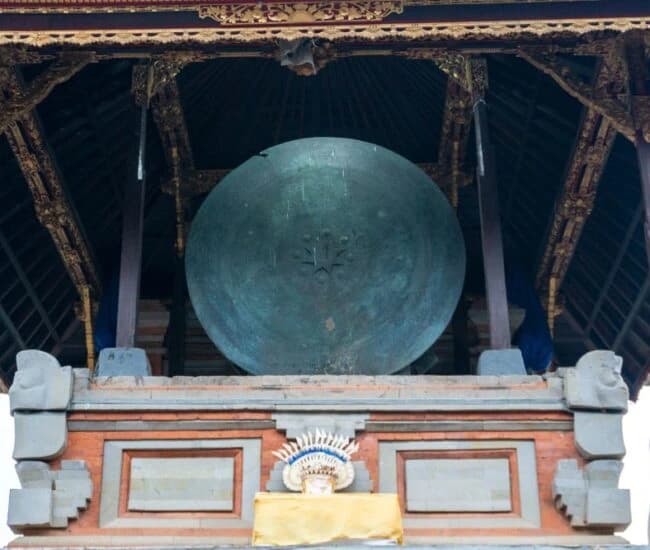
This is Pura Penataran Sasih, recognised as a cultural heritage site largely due to the presence of the 'Bulan Pejeng' or Pejeng Moon.
Pura Dalem Jagaraga, History Carved into the Walls
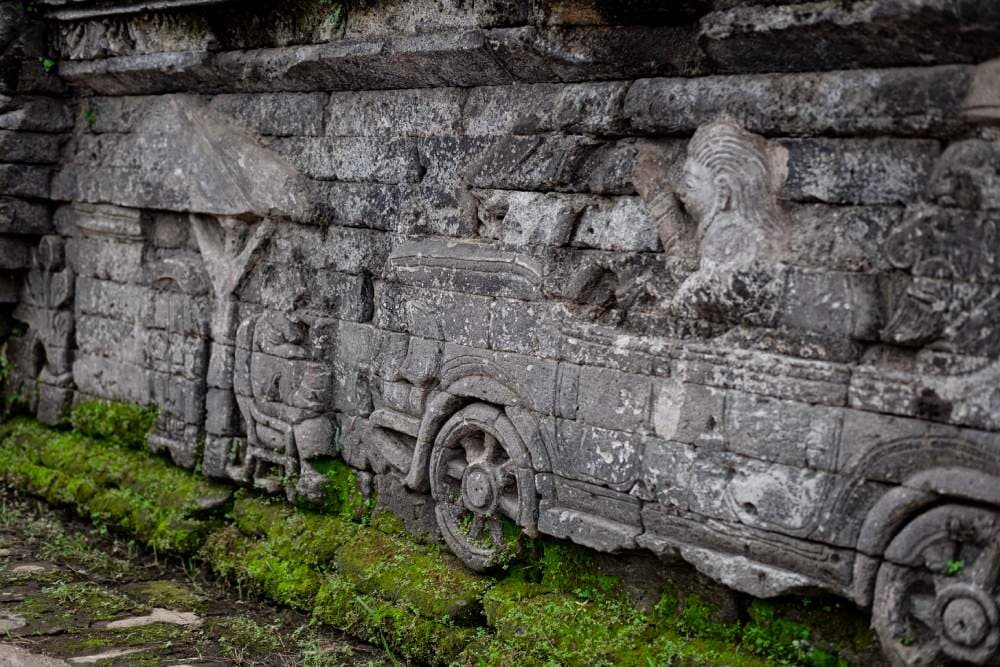
The village was damaged during the Dutch attack and the original ‘Pura Dalem’ was destroyed. So, Pura Dalem Jagaraga was built in its stead.
The ‘Brave’ Monkeys of Uluwatu Temple: A Bali Myth
Perched on a cliff, Pura Luhur Uluwatu is a sacred Balinese temple famed for its spiritual history, stunning sunsets, and daily Kecak dance performances.
Exploring Royal Landmarks & Ancient Sites in East Bali
Explore East Bali’s royal landmarks and ancient villages, from the iconic Lempuyang Temple to the historic Karangasem Royal Palace.