Tari Topeng (Mask Dance)
Tari Topeng, Bali’s sacred mask dance, blends tradition and performance, conveying spiritual messages through ornate masks and characters.
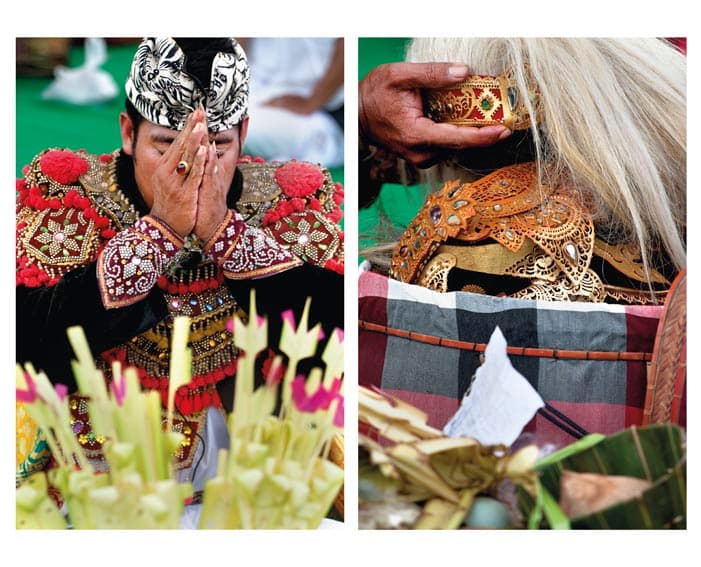
The performing arts in Bali were once performed solely as offerings to the Gods and deities. Nowadays, some dances are used to entertain devotees during religious events in the temple and some are performed to project social and spiritual messages to audiences. Tari Topeng (Mask Dance) is one of those which uses acting as a medium for transferring positive messages to the audience.
Text and Photos by Kartika D. Suardana
The performing arts in Bali were once performed solely as offerings to the Gods and deities. Nowadays, some dances are used to entertain devotees during religious events in the temple and some are performed to project social and spiritual messages to audiences. Tari Topeng (Mask Dance) is one of those which uses acting as a medium for transferring positive messages to the audience.
These days, Tari Topeng is not only performed in the temple but also on the commercial stage. In Bali, ornate masks are crafted from wood or fabric; each being transformed to represent a different character, perhaps a God/ Goddess figure, an animal, a human or a demon, depending on the story, which is derived from ancient Balinese tales. Only some of these traditional dances contain dialogue, and to make it more accessible to a wider audience, Bahasa Indonesia and even English is used rather than the original Balinese language.
These days, Tari Topeng is not only performed in the temple but also on the commercial stage.
Whether performing for a religious event or on the commercial stage, the topeng dancers treat their masks with special care. Each sacred mask is believed to embody the spirit of fabled kings and heroes so before each performance, the wearer will usually pray and place offerings on the mask before carefully putting it on along with the other beautiful accessories piece by piece.
Stock characters include Topeng Keras, the authoritarian character, Topeng Tua, the wise old man and Penasar, often the narrator who can be any age. Other typical characters are Ratu, who represents royalty, often in the form of a King or Prince and Bondres, the character who represents the common man. There are various types of Tari Topeng, namely, Topeng Pajegan, Topeng Prembon, Topeng Panca and Bondres. Topeng Pajegan is a one man show, performed by one dancer acting out several roles by changing both his mask and voice simultaneously to represent the different characters. Topeng Pajegan is a sacred dance, usually performed at a religious ceremony and by a dancer whose religious knowledge is broad. Topeng Panca includes four or five dancers, each presenting an individual character. Topeng Prembon features a mix of figures and the Bondres mask dance is more frivolous with cute characters and simple humour to engage any audience.
Read Next
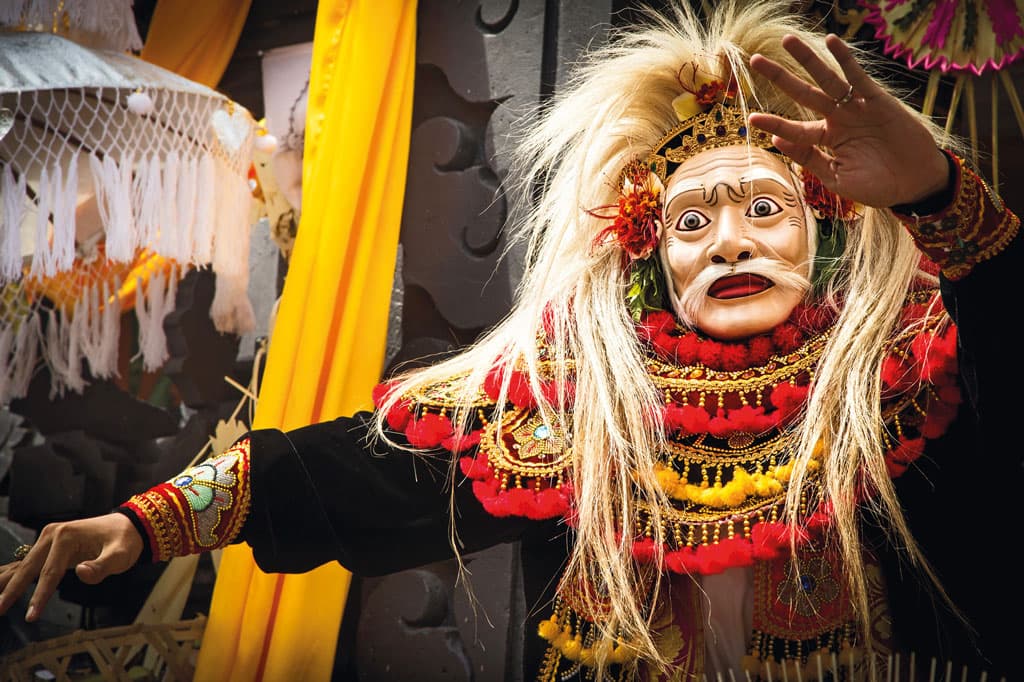
Topeng Werda Lumaku: The Grandsire's Dance
The Topeng Dance is famous in Bali, once only performed for religious festivals. Now, this magical performance can be seen on stage in all its glory.
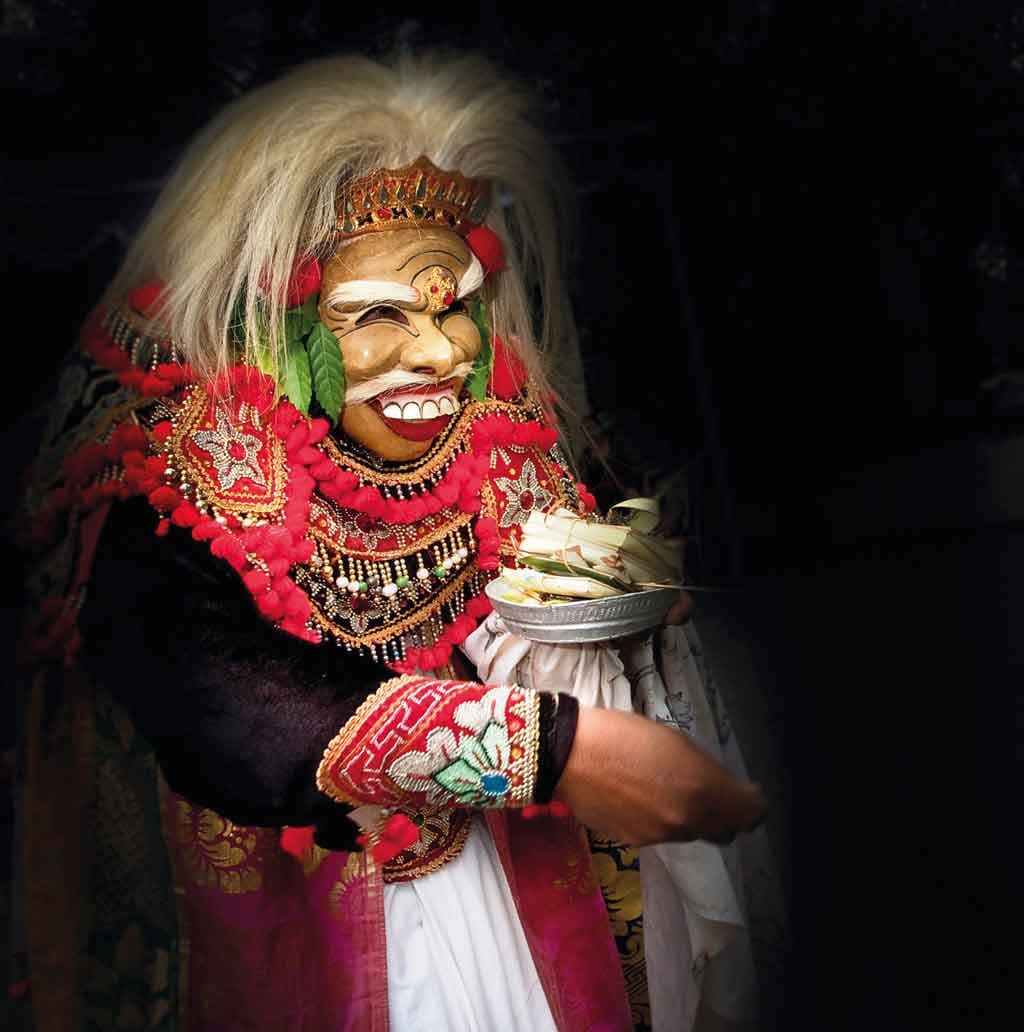
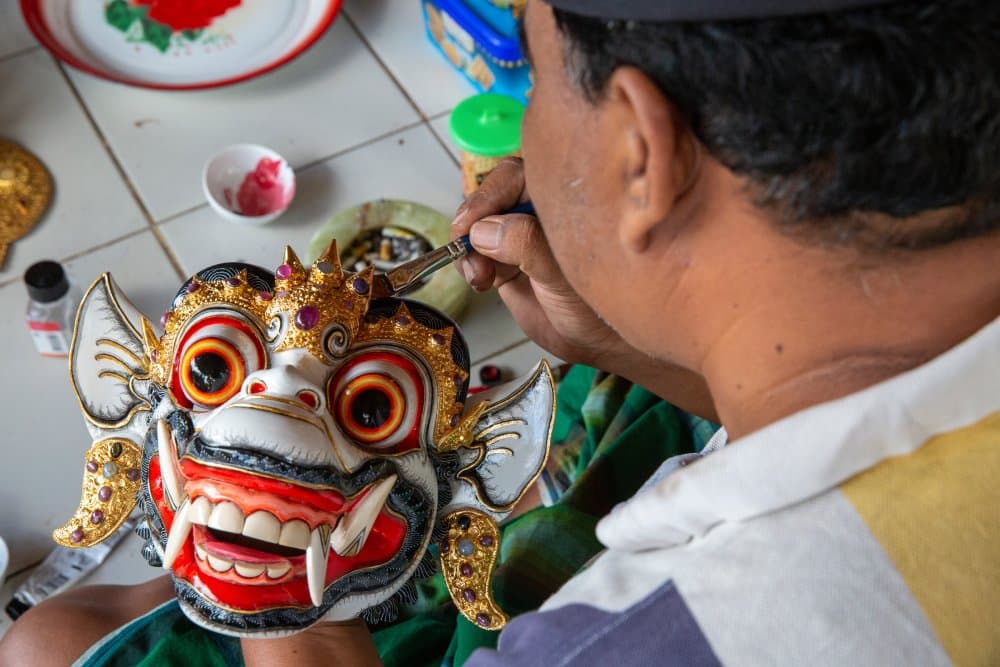
Undagi Tapel: The Mask Carvers of Bali
The mask carvers of Bali are more than just artisans, they are bringers of life, creating a bridge between the seen and the unseen worlds.
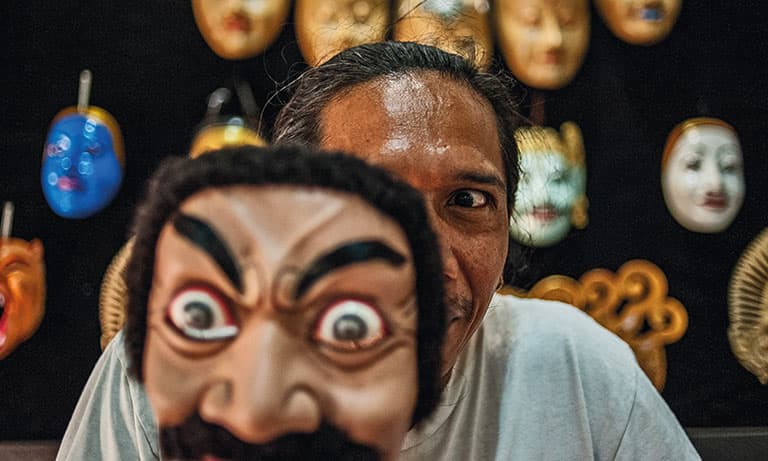
The Ideology of Balinese Masks
In Mas Village, Bali, masks are sacred cultural art used in ceremonies, carved with devotion by artisans like Ida Bagus Anom Suryawan.
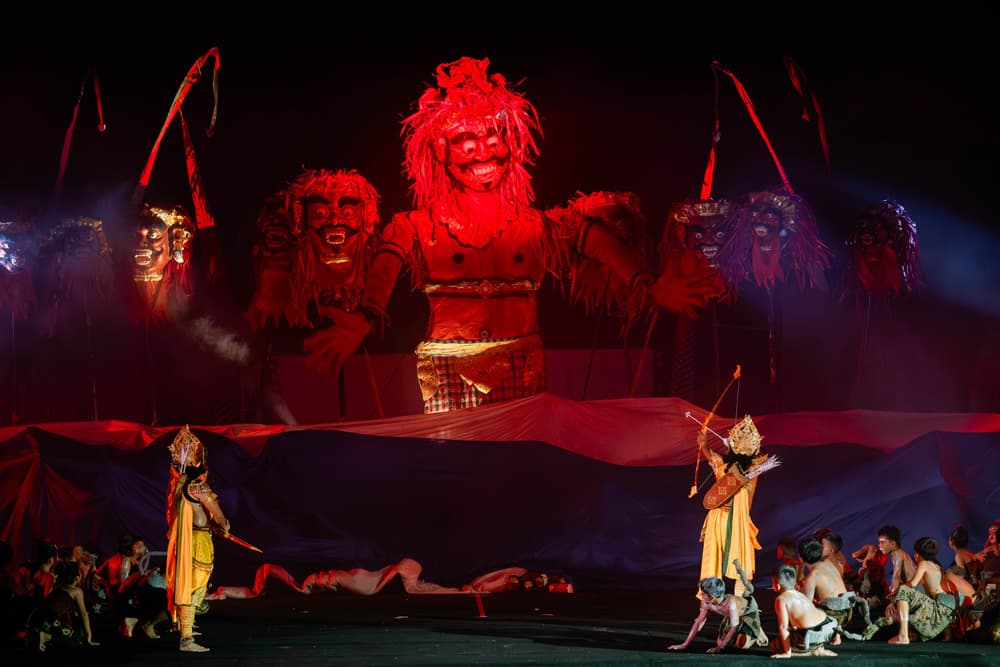
The Continuous Transformation of Balinese Dance: I Made Sidia's Colossal Show
Dr. Jean Couteau reflects on a colossal performance by renowned dalang (puppet master) I Made Sidia and what it means for Balinese dance.