The Ideology of Balinese Masks
In Mas Village, Bali, masks are sacred cultural art used in ceremonies, carved with devotion by artisans like Ida Bagus Anom Suryawan.
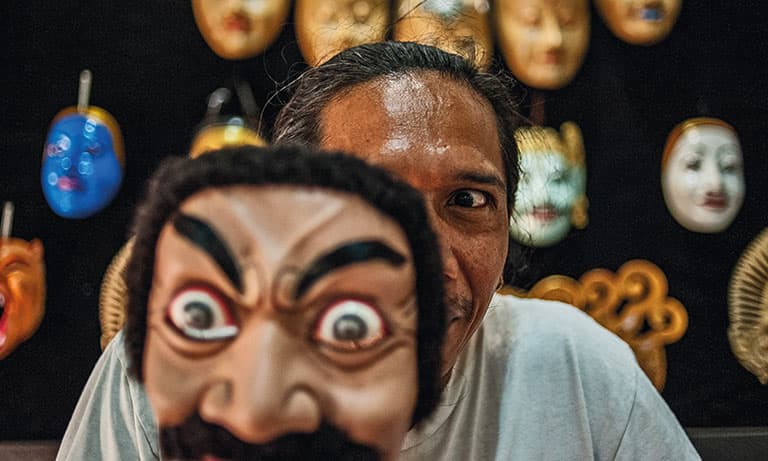
For the Balinese, masks have a higher value than just the representation of character in dance or for decoration. It serves as protection, as a sacred object in ceremonies and a medium for the worshipped gods to give their blessings.
Since the development of mass tourism in Bali, market demand for cheap souvenirs has increased. It is now easy to find Rangda, Barong, and other mask characters, sold at very affordable prices but with lower quality.
Ida Bagus Anom Suryawan, is one of the many mask carvers in Mas Village, Ubud District, Gianyar,who has committed not to make cheap masks to please the market. “Quality is far more important than quantity. If everyone works for the market, then who will maintain the authenticity of the mask craft? This mask is part of the cultural arts, part of the ceremony in Bali and the life of Mas Village itself”,Anom added.
Before him, six generations of his family have pursued the life of Balinese artists and sculptors. Anom started when he was 9 years old and ever since he has grown with his father’s advice in sculpting. Ida Bagus Made Geria, Anom’s father, always said that to make a mask, you must learn and be able to dance with it. Because, when we dance, we will move and create the motion that matches the mask character. You know how your body will move, how the mask will move and understand every detail that only mask dancers know. Those details are the power to create the mask.
Before him, six generations of his family have pursued the life of Balinese artists and sculptors.
In general, the crafting of the mask takes about one month from the scratch. Starting from the forming Waru or Suar wood which he usually uses, painting up to 25 layers of colour by adding silver, gold, goat hair for the mask hair and eyebrows, depending on the character.
The character of the mask can be seen from several things: for example, there is one Sidakarya mask made for the ceremony, the sculptor will make the mask as close as possible to the original character. But if we look closer, there is always a signature left behind,it will have the similarity to the sculptor's face. This signature is also found in paintings such as Prince Diponegoro's painting by Raden Saleh, the painter making his 'imprint' on the faces of the escorting soldiers who all resemble Raden Saleh himself.
Before being a sculptor, Anom took up puppetry at the Indonesian Art College (now the Indonesian Institute of the Arts - ISI) in the 90s. Then he became a bartender and then returned to being an artist and mask carver, a journey he continues to this day.
Read Next
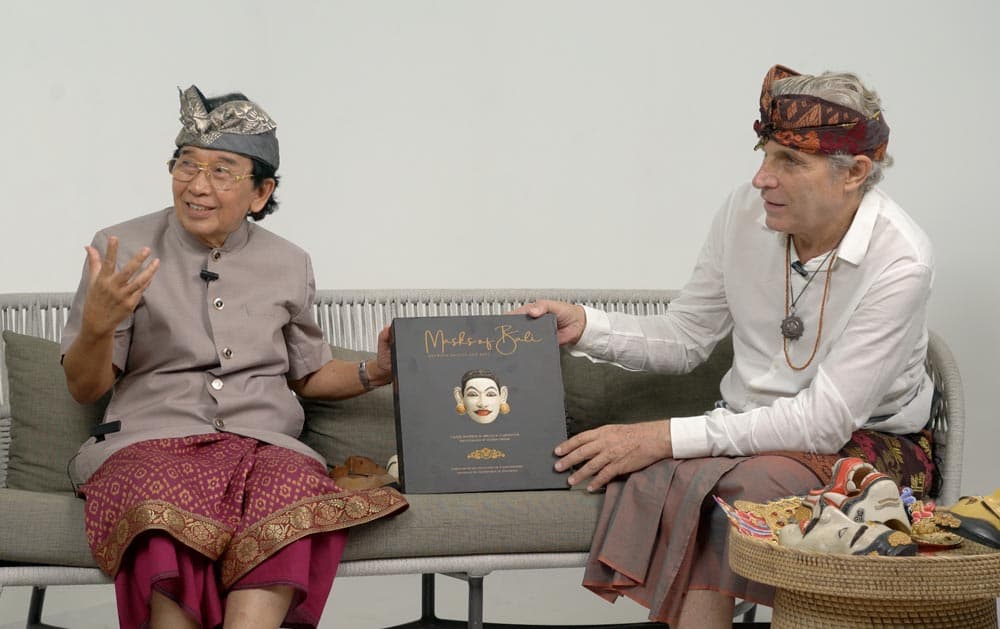
The Masks of Bali, feat. Prof. Dr. I Made Bandem and Bruce Carpenter | Episode 27
In this episode of The NOW! Bali Podcast, we welcome Prof. Dr. I Made Bandem and Bruce Carpenter authors of 'Masks of Bali'

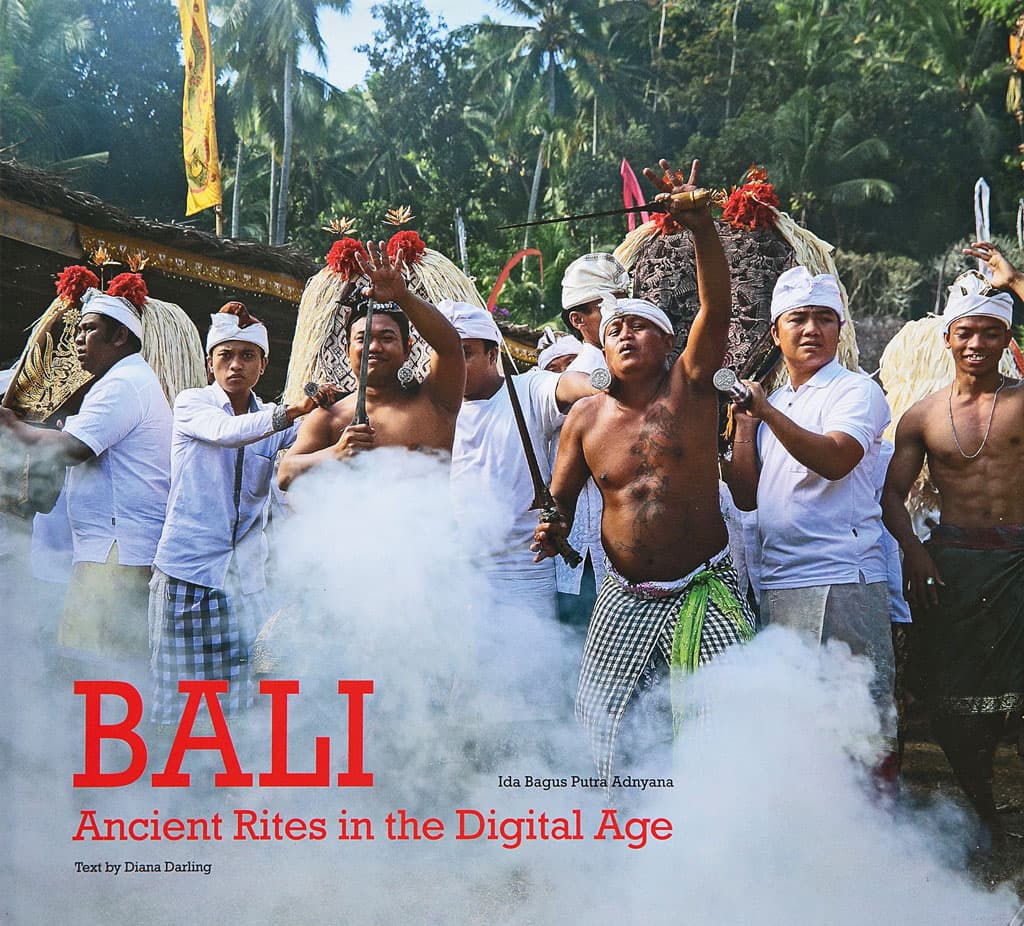
New Book ‘Ancient Spirit of Bali’ Documents Rare & Unusual Sacred Rituals
A review of the new book released by Balinese photographer, Ida Bagus Putra Adnyana, titled 'Ancient Spirit of Bali'.
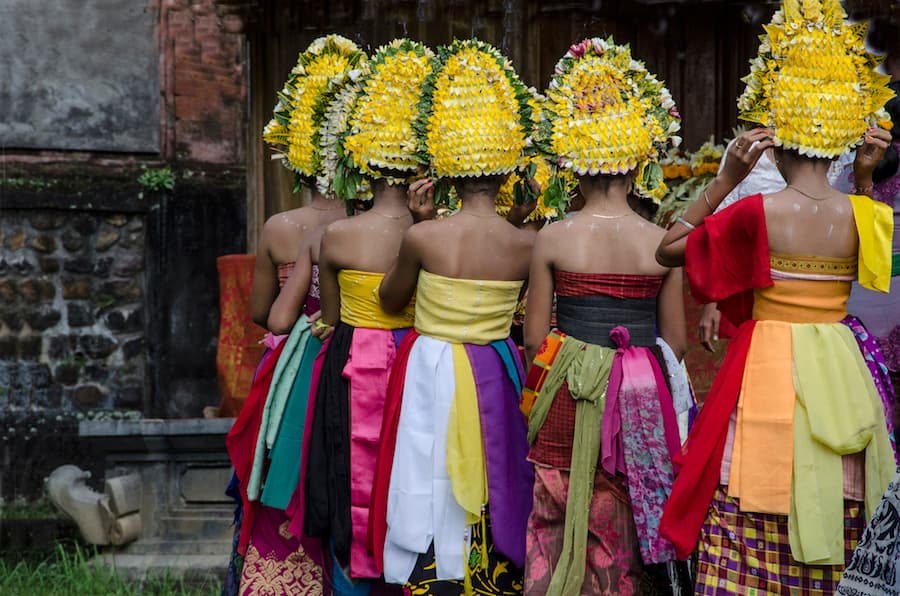
A Pantheon of The Extraordinary: The Colours of Bali's Ceremony
There is a life that exist behind the island's tourist façade, that is what we call Secret Bali . Balinese life and traditions continuing whilst no one sees.

Setia Darma House of Masks and Puppets
One of Bali's most interesting museums, the Setia Darma House of Masks and Puppets preserves Bali's unique art and artisanal crafts and creations.
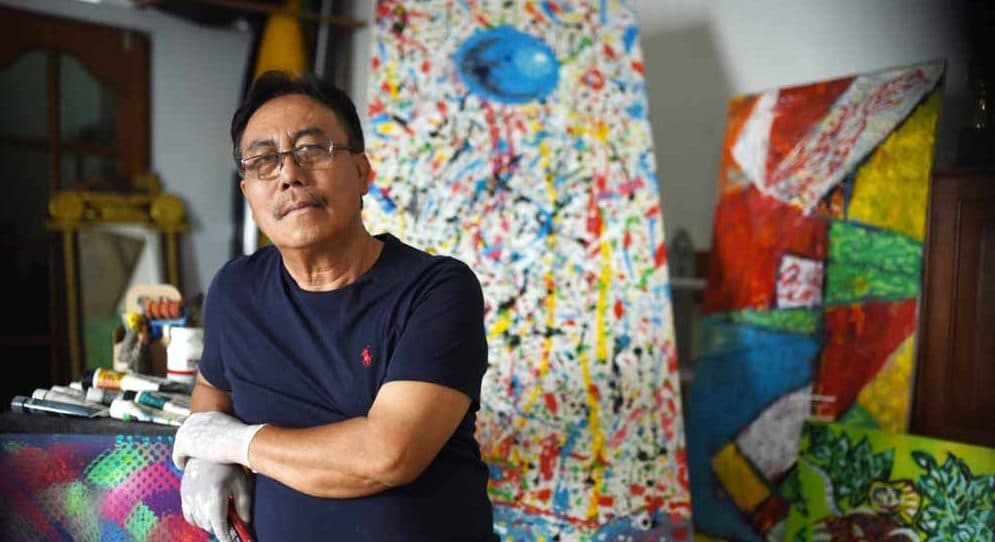
Gustra Adnyana: Photography Through the Eyes of a Brahmin
Discover Gustra’s journey from sacred Balinese shroud drawings to award-winning photography, blending tradition, skill, and modern artistry.
Plan around it
Where to Eat & Drink
Where to Stay
Things to Do Nearby