Tedung : Bali's Ceremonial Umbrella
Tedung, Bali’s ceremonial umbrella, symbolizes protection and spirituality, shading worshippers, holy artefacts, and processions with sacred meaning.
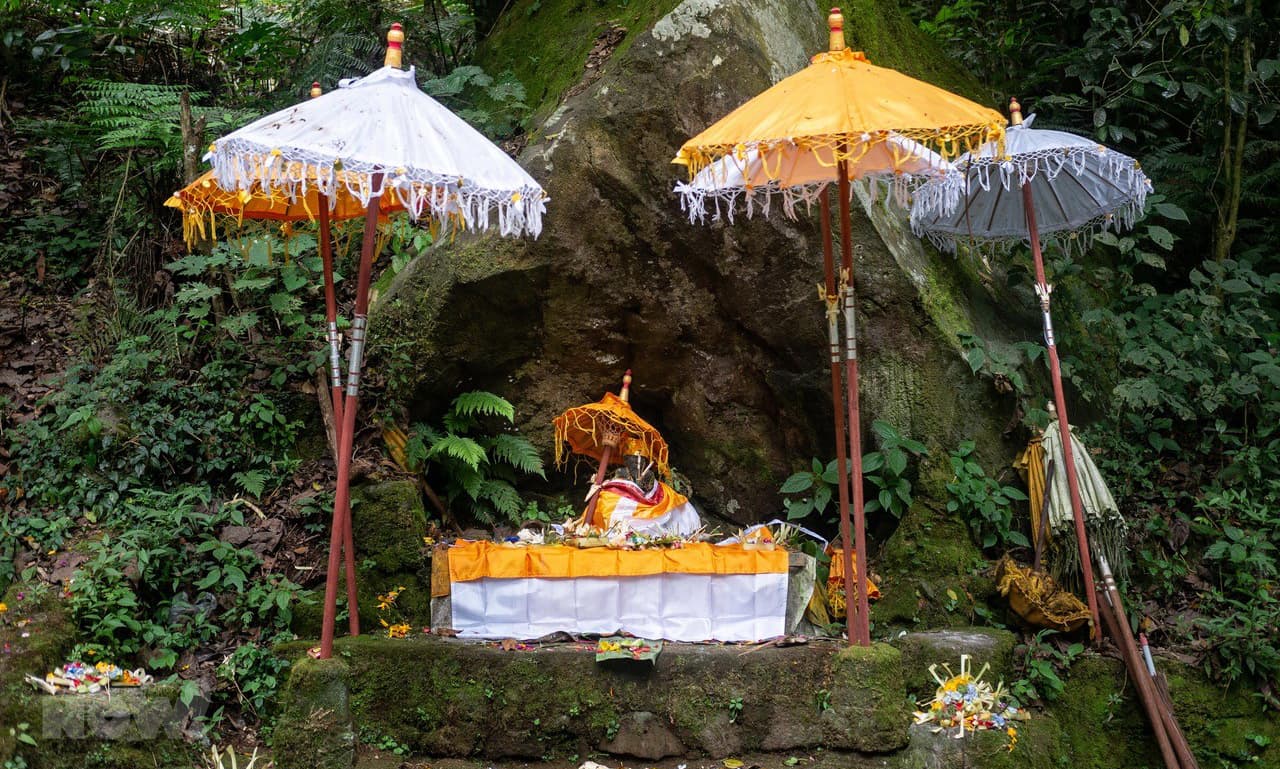
Shining in white, yellow, or even at times embellished with the golden prada print, the Balinese umbrella, known as a tedung, is an essential feature in Balinese Hindu worship.
As decorative as they are - often used to culturally adorn entrance ways of restaurants and hotels - tedung are most at home when standing tall at temples and shrines, or carried by a pilgrim during a long ceremonial procession.
The literal meaning of tedung is ‘to guard’, as these ceremonial umbrellas symbolise protection. They are also said to symbolise a mountain, whose protective shade covers the land and people. The mountain of course being the pinnacle of spirituality as the abode of the gods.
During a temple anniversary, or piodalan, a sea of tedung will be setup, casting its shade upon worshippers; during a cremation ceremony, it casts protection over the departed, placed within the bade cremation tower. They are also used to shade holy artefacts such as pratima effigies or the great Barong costume.
Nothing is ever simple on the island of the gods, everything has meaning, and every iteration or variation is no accident. The same goes for the tedung. The many colours and adornments, the length and even the spines of the umbrella signify a different function and usage.
Nothing is ever simple on the island of the gods, everything has meaning, and every iteration or variation is no accident.
The tedung agung, for example, is used in holy places, or for holy functions. The other, more typical ceremonial umbrella is called the tedung robrob. They can be differentiated by their adornments: tedung agung will have hanging tassels made of yarn or woll, the robrob will feature long strips of ider-ider, or prada-printed cloth.
Shapes can differ too, with some tedung quite shallow, whilst others - like those made by Bangli craftsmen - are deeper and more cone-like, likened to bat wings or ngampid lawah.
They are often designed by undagi, the traditional ‘architects’ of Bali, who follow strict rules of form and function. These principles called Asta Kosala Kosala mean that the measurements must be in harmony with the human form. Typically, the tedung are two- to two-and-half metres tall and about a metre wide, made up of a long wood or bamboo pole, rattan weave and different cloth or wool.
The colours of each tedung are symbolic as well. You will see the black and white umbrellas, symbolising Rwa Bhineda, philosophy of balance; red umbrellas for Brahma; black for Vishnu; white for Siwa.
Other variations of colour may represent social strata too, colours representing a different level of the caste system. White for Brahmin, the priestly caste; black for Ksatria, the royal or knightly caste; yellow for Sudra, the commoners; and red for Pande, the clan of smith workers.
Of course, being a sacred ornament or tool, ceremonies must accompany its creation, and ceremonies will be done before they are put to use. There is always a good excuse for a ceremony here in Bali!
Read Next
Guide to Traditional Balinese Clothing: Symbolism, Meaning and What to Wear
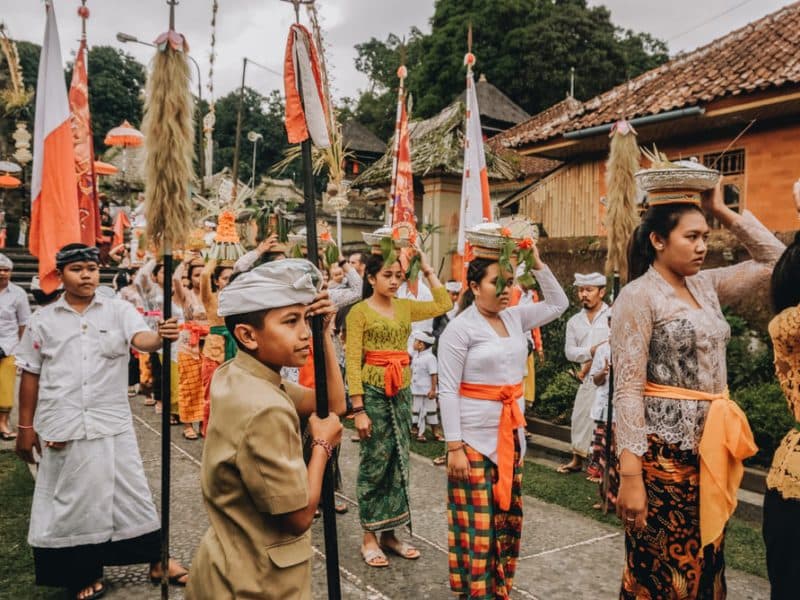
There is specific traditional Balinese clothing that must be worn by both men and women across different Bali cultural events. Find out more.
Udeng : The Traditional Headdress of Balinese Men
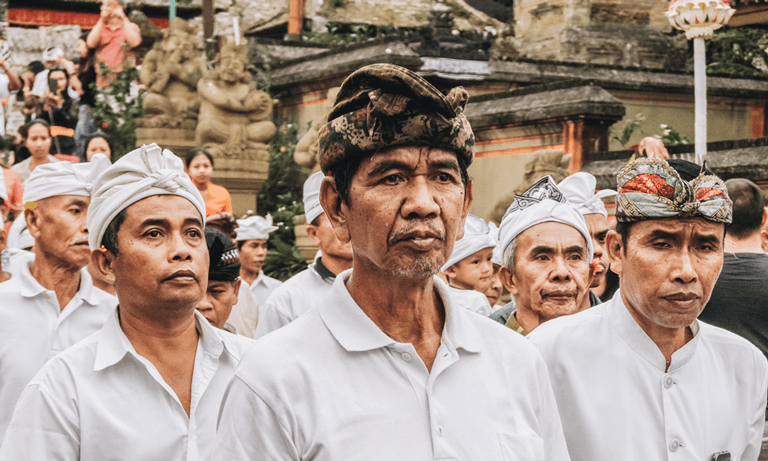
Udeng, Balinese traditional headdress, symbolizes mind focus, dharma over adharma, and Hindu Tri Murti, worn in ceremonies with sacred meaning.
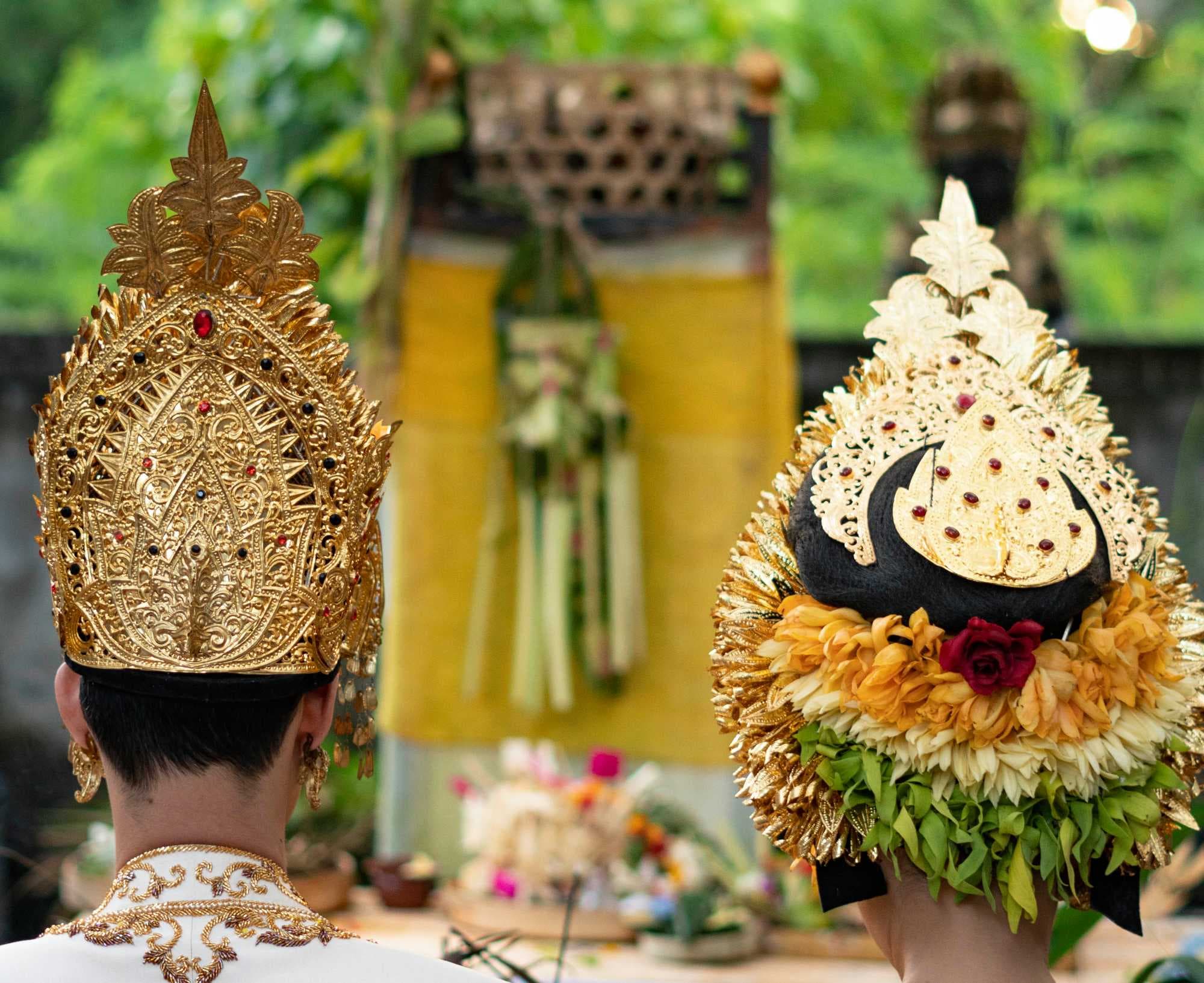
Gelungan Payas Agung: The Ceremonial Balinese Headdress
What is the Gelungan Payas Agung? It's a 40cm golden crown once reserved for royalty, now commonplace among Balinese weddings & ceremonies.
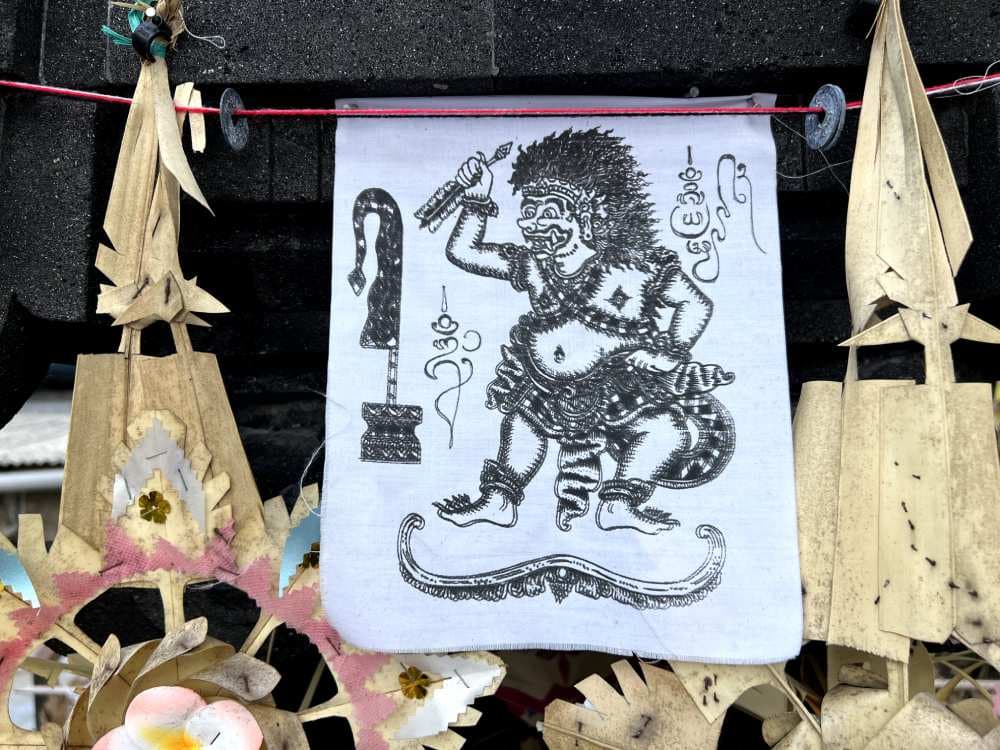
Ulap-Ulap: The Protector of Balinese Buildings
Found hanging at the front of Balinese building is ulap-ulap, these ink drawings on white cloth serve to ward off misfortune.
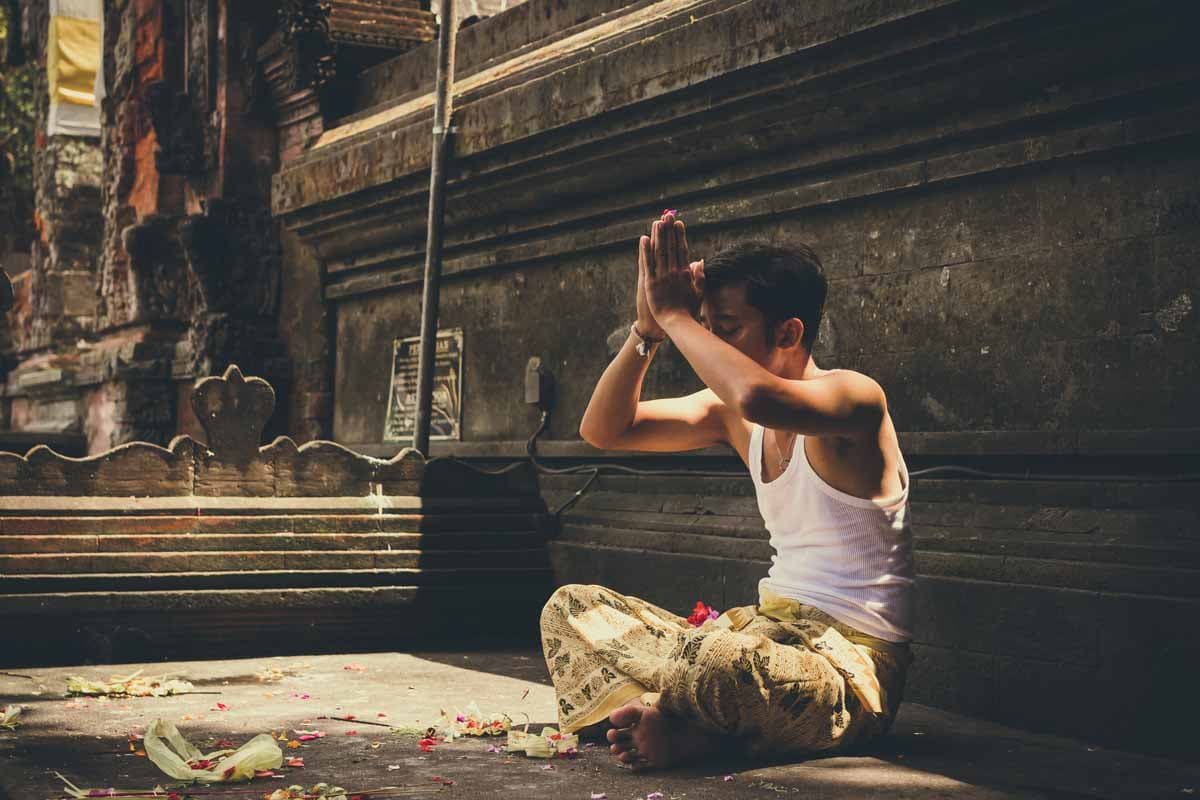
Tumpek Uduh: Balinese Hindu Honour Their Plants
Balinese Hindus has numerous religious ceremonies held throughout the year, one of them is Tumpek Uduh, a day of honouring plants.
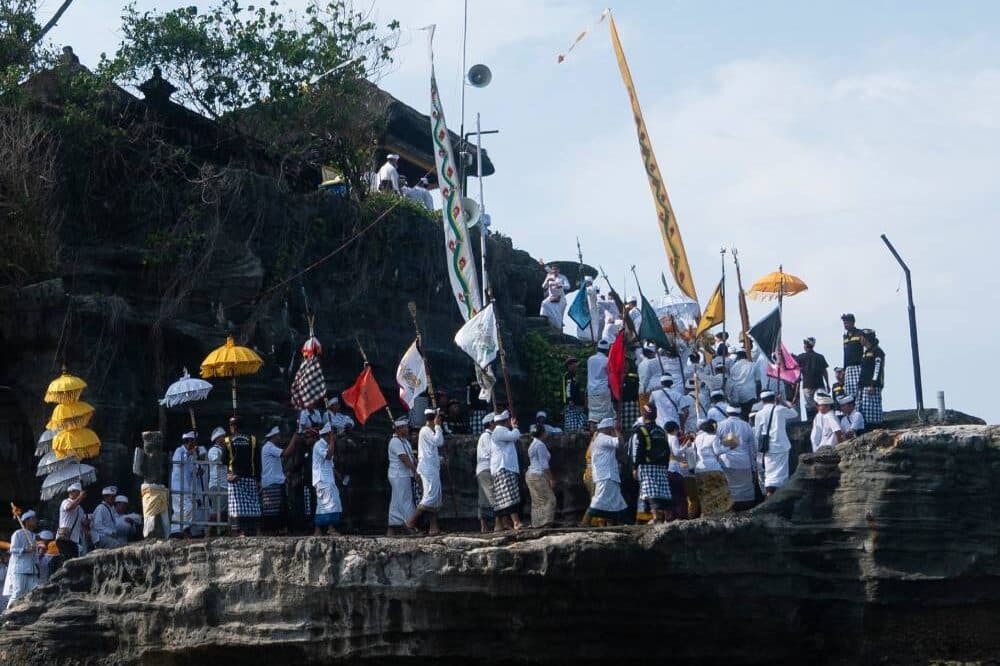
Kober Dewata Nawa Sanga: Flags of the Nine Guardians
there is the sacred 'set' of kober flags, symbolising the nine directional gods of Bali, otherwise known as Dewata Nawa Sanga.