
Ulap-Ulap: The Protector of Balinese Buildings
Found hanging at the front of Balinese building is ulap-ulap, these ink drawings on white cloth serve to ward off misfortune.
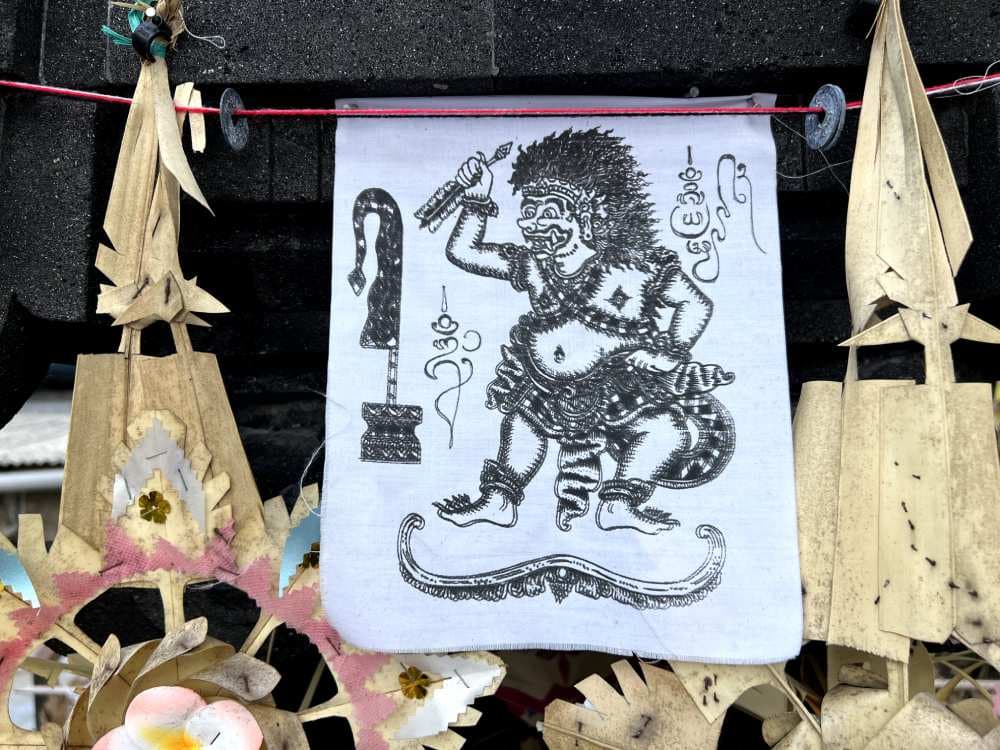
Found hanging at the front of almost every Balinese building is a rerajahan (a form of religious art) known as an ulap-ulap. These ink drawings on white cloth serve to ward off misfortune from Balinese buildings.
Ulap-ulap derives from the word ‘ulap’, meaning to wave or beckon. This refers to calling a particular positive force from Ida Sang Hyang Widhi Wasa (the Almighty God) to protect the building. In the case of sacred buildings such as family shrines (sanggah) and temples (pura), it invites the deities to descend and reside there.
This rerajahan are made from white cloth of any size, with pencils and pens or ink used for the drawings. Before beginning the drawing, the tools and materials are purified with incense and canang (Balinese offerings). The drawings are typically created by spiritually purified individuals, such as Balinese priests called pemangku or pinanditha, and higher Balinese priests, known as panditha.
You can find many types of ulap-ulap drawings. These can take the form of human-like figures with various features, such as Ardhanarisvara—the half-male, half-female form of Lord Shiva and Goddess Parvati—or any Balinese gods and goddesses; animal forms like Naga Anantabhoga or Barong Ket; half-human, half-animal forms such as Ganesha; specific objects like the sun or the moon; and aksara Bali or Balinese characters.
The drawings also encompass three meanings, each of which is integral to Balinese Hindu ceremonies: as a symbol of the deities to seek their blessings, part of Dewa Yadnya; as a symbol to cleanse impurities and prevent the building from being occupied by evil spirits, part of Manusa Yadnya; and as a witness before Mother Earth, acknowledging that the land's original status—whether rice fields, farmland, roads, or public land—has been transformed into a new status, such as a temple, residential area, shop, or other purposes, part of Bhuta Yadnya.
Read Next
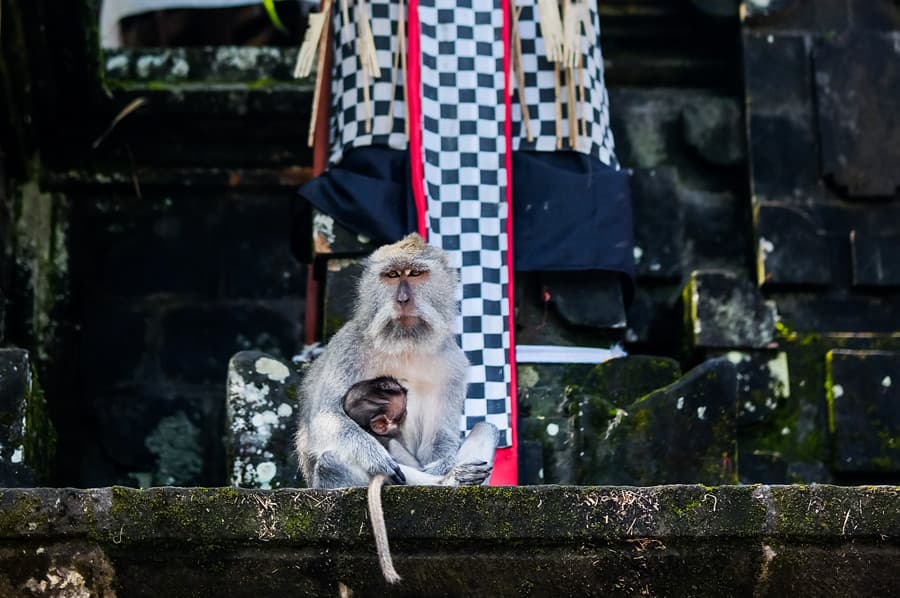
The ‘Brave’ Monkeys of Uluwatu Temple: A Bali Myth
Perched on a cliff, Pura Luhur Uluwatu is a sacred Balinese temple famed for its spiritual history, stunning sunsets, and daily Kecak dance performances.
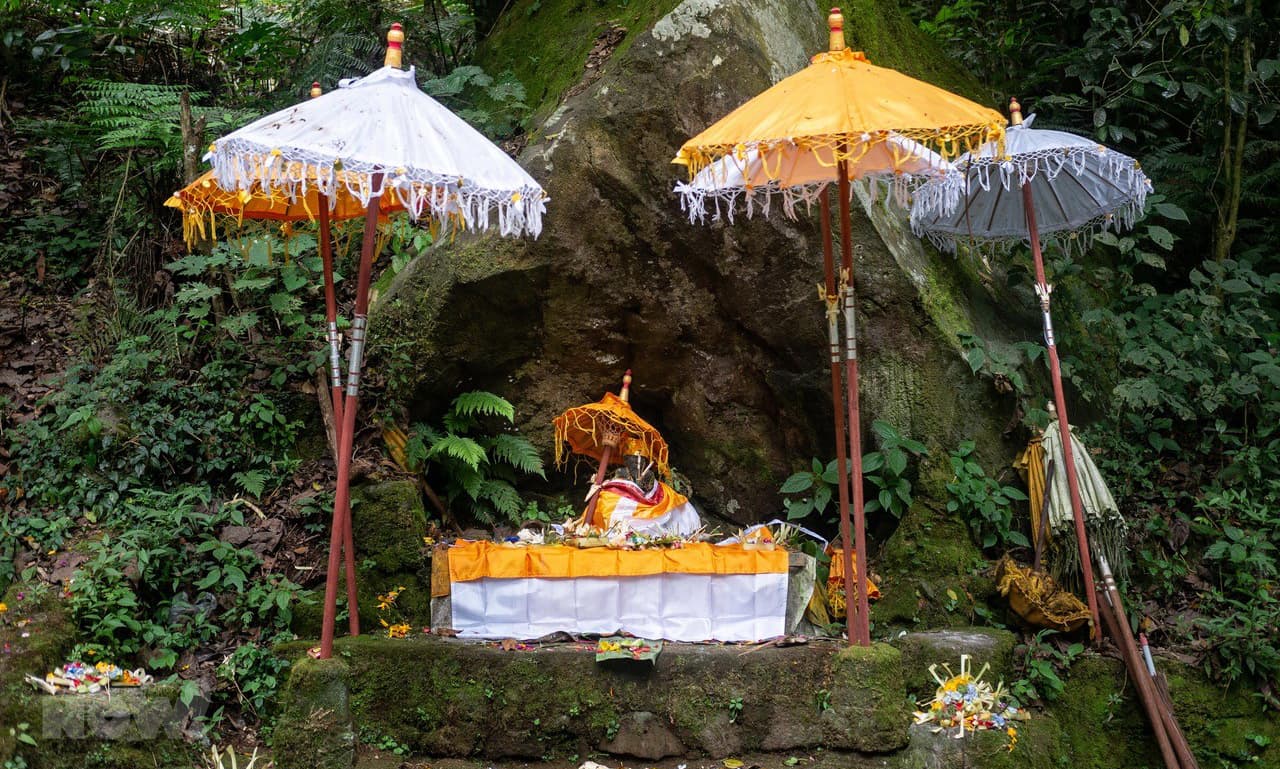
Tedung : Bali's Ceremonial Umbrella
Tedung, Bali’s ceremonial umbrella, symbolizes protection and spirituality, shading worshippers, holy artefacts, and processions with sacred meaning.
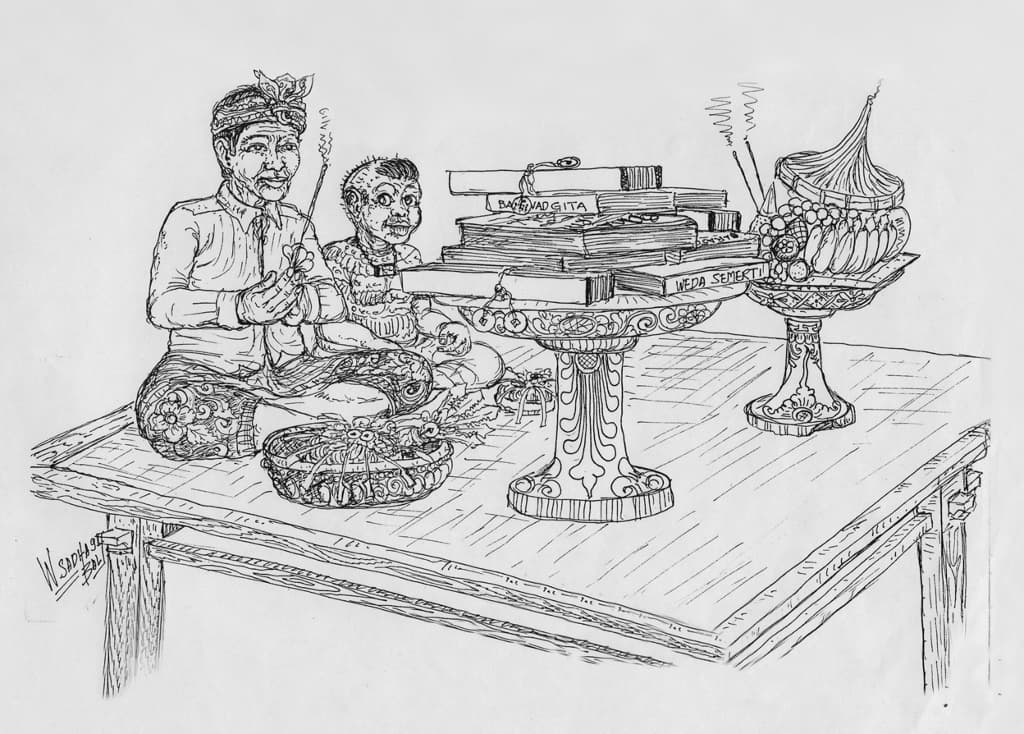
Tumpek Uduh: Balinese Hindu Honour Their Plants
Balinese Hindus has numerous religious ceremonies held throughout the year, one of them is Tumpek Uduh, a day of honouring plants.
Weaving Balinese Art and Culture Into Bali’s Most Iconic Hotels and Resorts
Discover Bali’s artistic soul through hotels that blend local heritage, design, and culture into immersive, art-filled stays.
Household Shrines in the Balinese Home
Within the Balinese Hindu belief, these household shrines embody the relationship between the living, their ancestors and the gods.