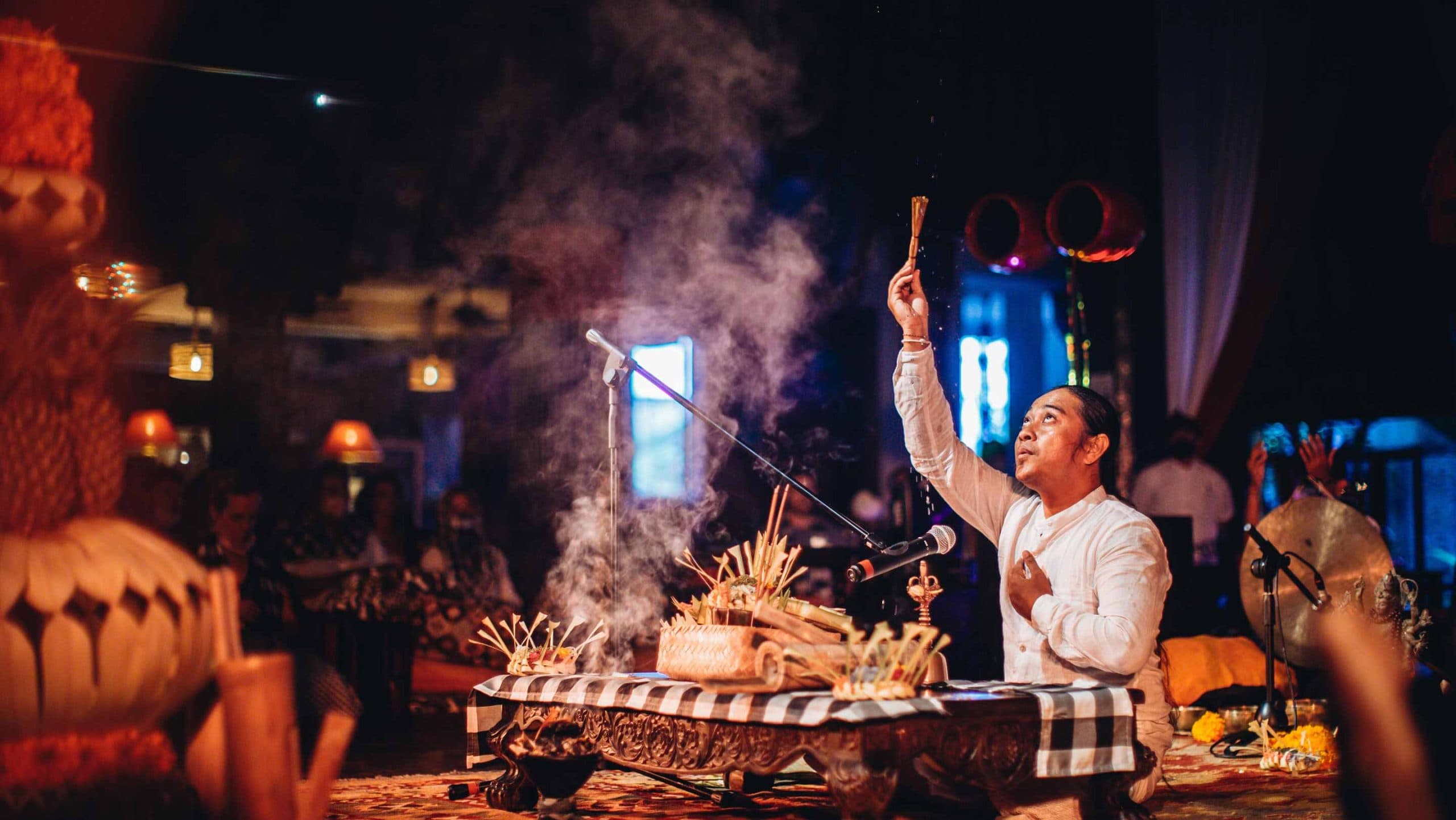
Genta: The Balinese Priest’s Sacred Bell
Held in the left hand of the Balinese Hindu priests, the genta is a vehicle for worship, a tool of communication of prayer and faith.
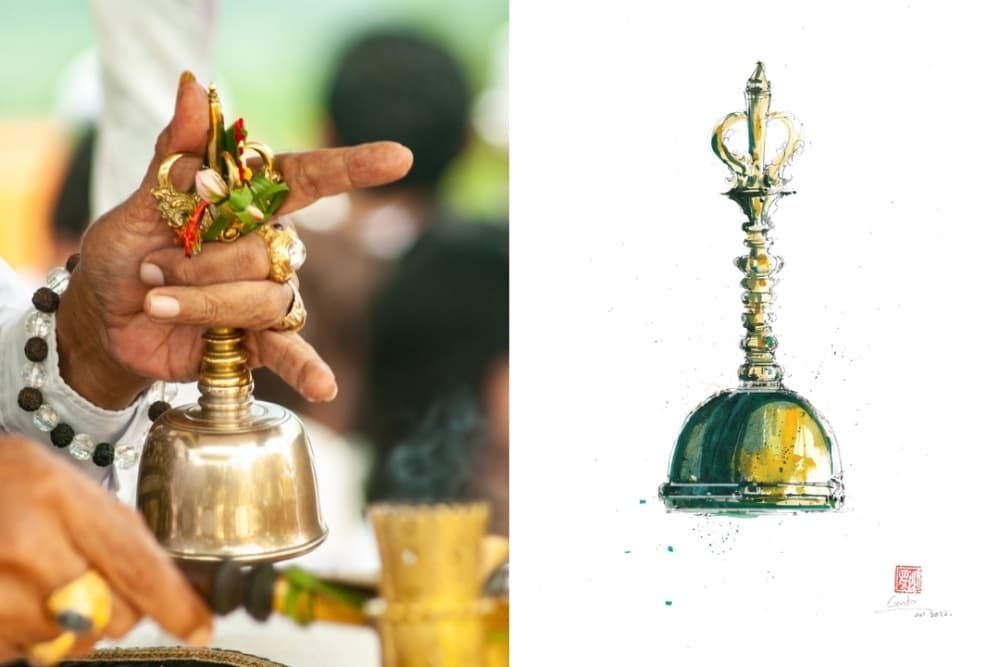
The piercing rings of the genta are heard at every ceremony, big or small. They are a ubiquitous sound in Bali, ringing in temples, roadsides, homes and even over the radio in Bali’s Puja Tri Sandhya, call to prayer. Held in the left hand of the Balinese Hindu priests, and accompanying the chants and mantras, the genta is a vehicle for worship, a tool of communication of prayer and faith.
Genta, a Balinese priest’s bell, is a sacred object, only to be used by those who have completed the mawinten (or pawintenan) ceremonies, a cleansing rite of passage for those entering the religious realm, to become priests and religious scholars. The genta is said to be the weapon of Lord Iswara.
The sound - or rather the spiritual vibration created - connects the three realms and is heard by those that dwell within them: bhuana loka (human realm), bhur loka (lower realm) and swah loka (heavenly realm). Thus, prayers are able to reach their destination. It is said to represent OM, or AUM (Ang Ung Mang - Brahma Wisnu Siwa), and thus the singular God of Sang Hyang Widhi Wasa, connecting those praying to the Almighty.
The shape of the bell itself is important, including a stupa (the bottom bell), a handle with seven rings, a lingga at the top and four hooks. These are all symbolic. The sound of the genta is one of the five sounds necessary in ceremonies, including the sound of the kulkul bell, chanting or song, gamelan, genta and mantras. There are numerous types of genta, decorated with different religious iconography, such as the lembu (bull), Garuda (holy bird-god), used in different occasions. How the genta is used in ceremony also requires specific learning for the priests, with different mudra (hand gestures), motions and sounds relating to specific mantras and prayers.
The shape of the bell itself is important, including a stupa (the bottom bell), a handle with seven rings, a lingga at the top and four hooks.
Read Next
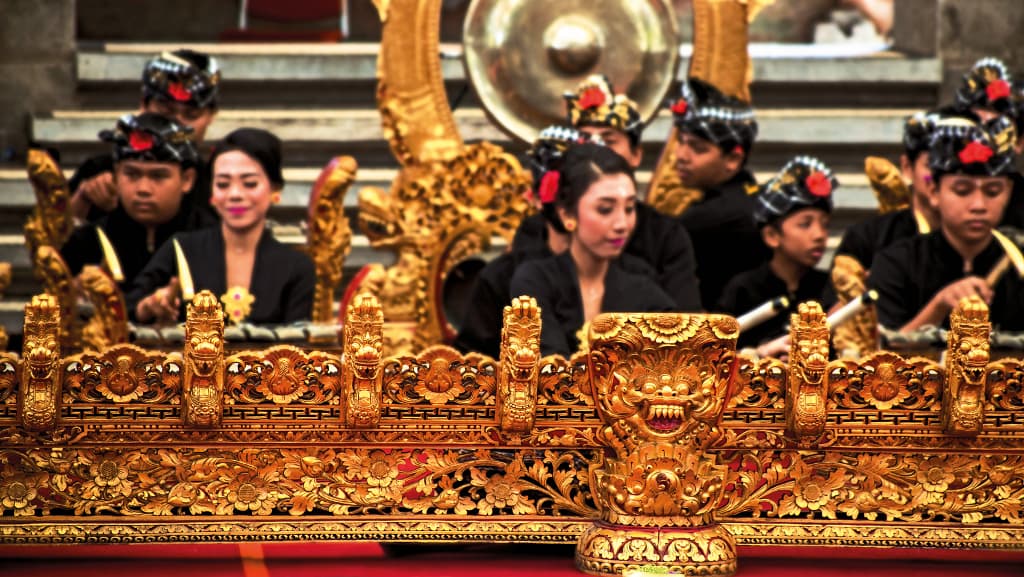
The Spiritual Sounds of the Gamelan
Gamelan in Bali is more than music; it’s the soul of rituals, symbolizin God, passed down for centuries with skilled craftsmen and sacred traditions.
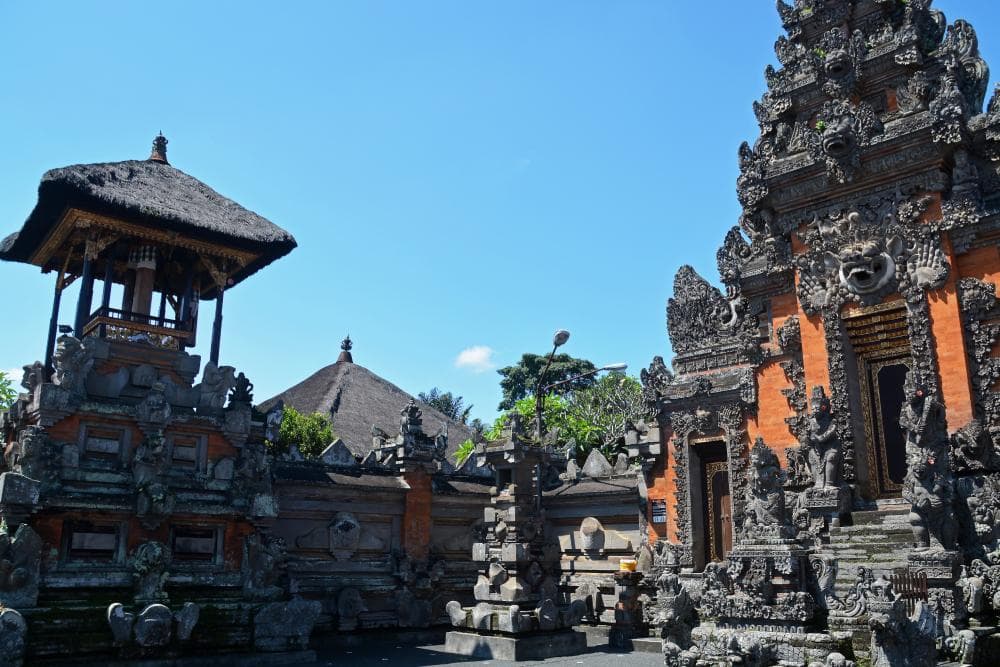
Kulkul: A Traditional Balinese Slit Drum
Kulkul is an age-old traditional percussive device constructed out of wood or bamboo used in civic functions.
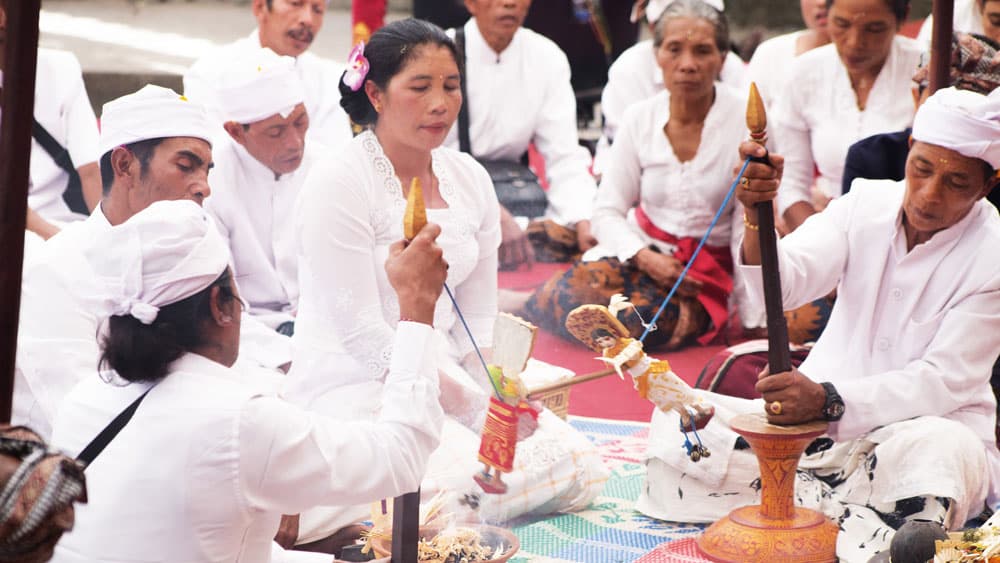
Sanghyang Deling: The Possession of Puppets
Two puppets are possessed by spirits in the mystical Balinese dance. The Sacred and Ancient Sanghyang Deling performance is a special part of Bali
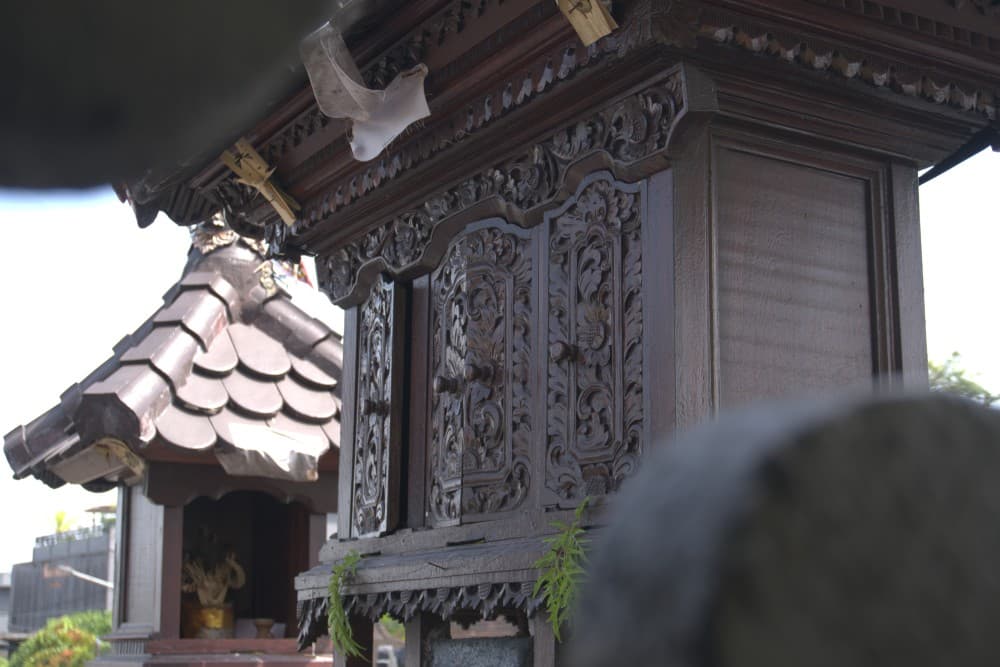
Household Shrines in the Balinese Home
Within the Balinese Hindu belief, these household shrines embody the relationship between the living, their ancestors and the gods.
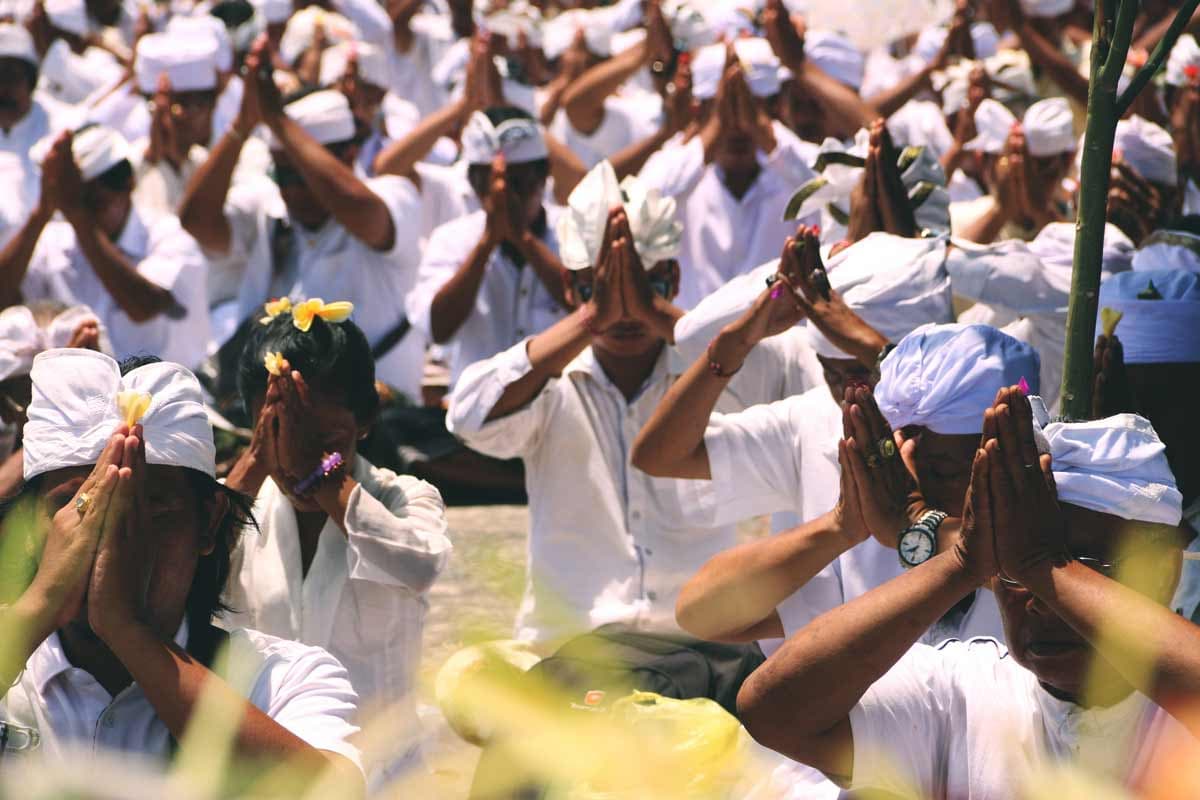
108 Balinese Priests Organise Island-Wide Collective Prayer to Bring Balance in 2022
Bali Poleng is a campaign run by the 108 Bajra community with the aim of creating an island-wide collective prayer at the start of 2022.