Kulkul: A Traditional Balinese Slit Drum
Kulkul is an age-old traditional percussive device constructed out of wood or bamboo used in civic functions.
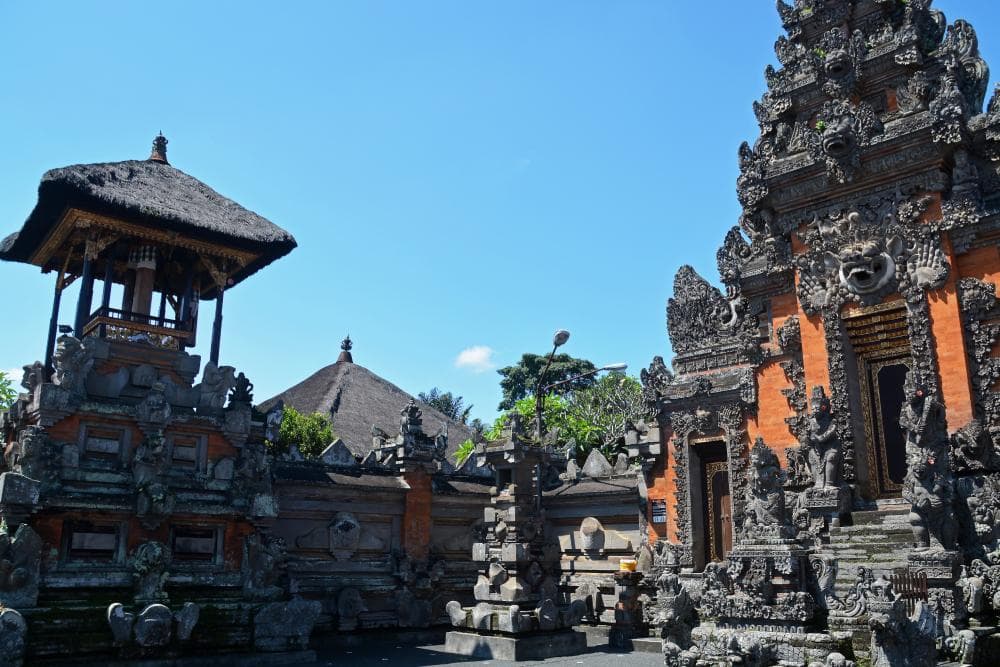
One of the most remarkable aspects of the Balinese culture and traditions is the fact that, despite the ever-changing times and technology-driven world, many of them are still kept alive even today. An example of this is the “kulkul” or Balinese Slit Drum, an age-old traditional percussive device constructed out of wood or bamboo used in civic functions as a means of communication or religious functions as an important part of Balinese temple architecture.
A slit drum is an object that has been around for a long time and is used throughout Africa, Southeast Asia and Oceania although its form and purpose differ for each location. In Bali, it is called kulkul and it is found in Balinese pavilions called “bale kulkul”, which is basically a drum or watchtower. The origins of the slit drum predate the arrival of Hinduism in Indonesia and can be traced back to several ancient manuscripts or “lontar” including Lontar Markandeya Purana and Lontar Diwa Karma.
The kullkul can be constructed with any type of wood but is commonly made out of teak wood, bamboo or wood of a jackfruit tree. A hollow timber is cut and cleaned, then a slit is made and carved out to create a cavity that will produce melodious vibrations. The kulkul is placed on the bale kulkul, a watchtower structure made up of a base, topped with a wooden structure where it is hung, and covered by a roof canopy.
There are various types of bale kulkul. The ones that are commonly found in the banjar (Balinese villages) are utilised for civic purposes known as Kulkul Manusia (human kulkul). They are used as a means to call local residents; hence, they are commonly built at convenient locations to easily summon villagers. Bale kulkul that are found in Balinese temples are often found straddling a wall corner, where they have a more architectural design made of masonry structure and profoundly decorated with mythical figures.
Read Next
Genta: The Balinese Priest’s Sacred Bell
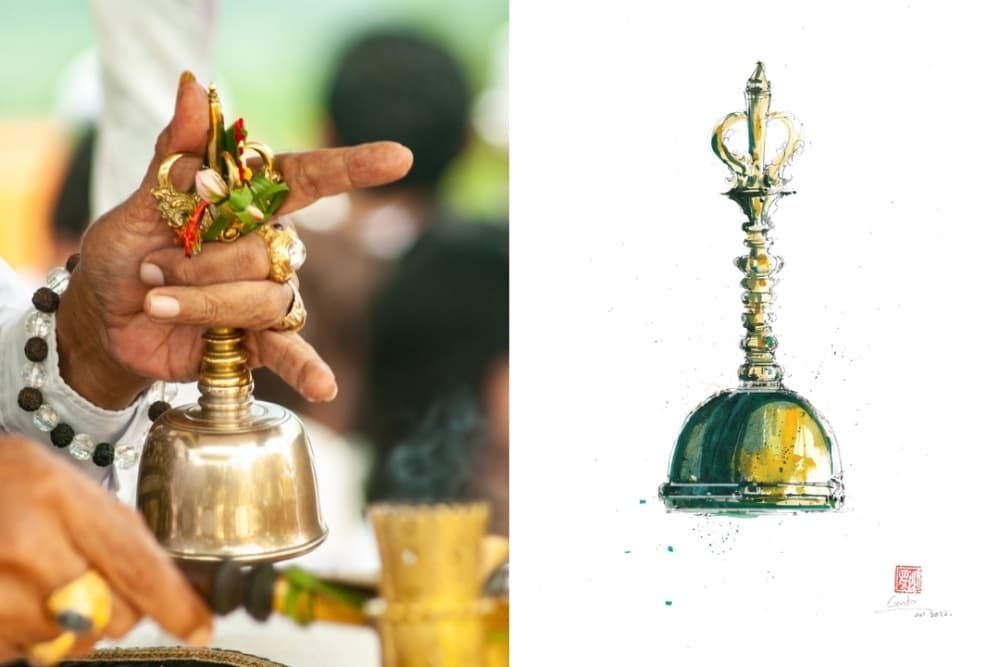
Held in the left hand of the Balinese Hindu priests, the genta is a vehicle for worship, a tool of communication of prayer and faith.
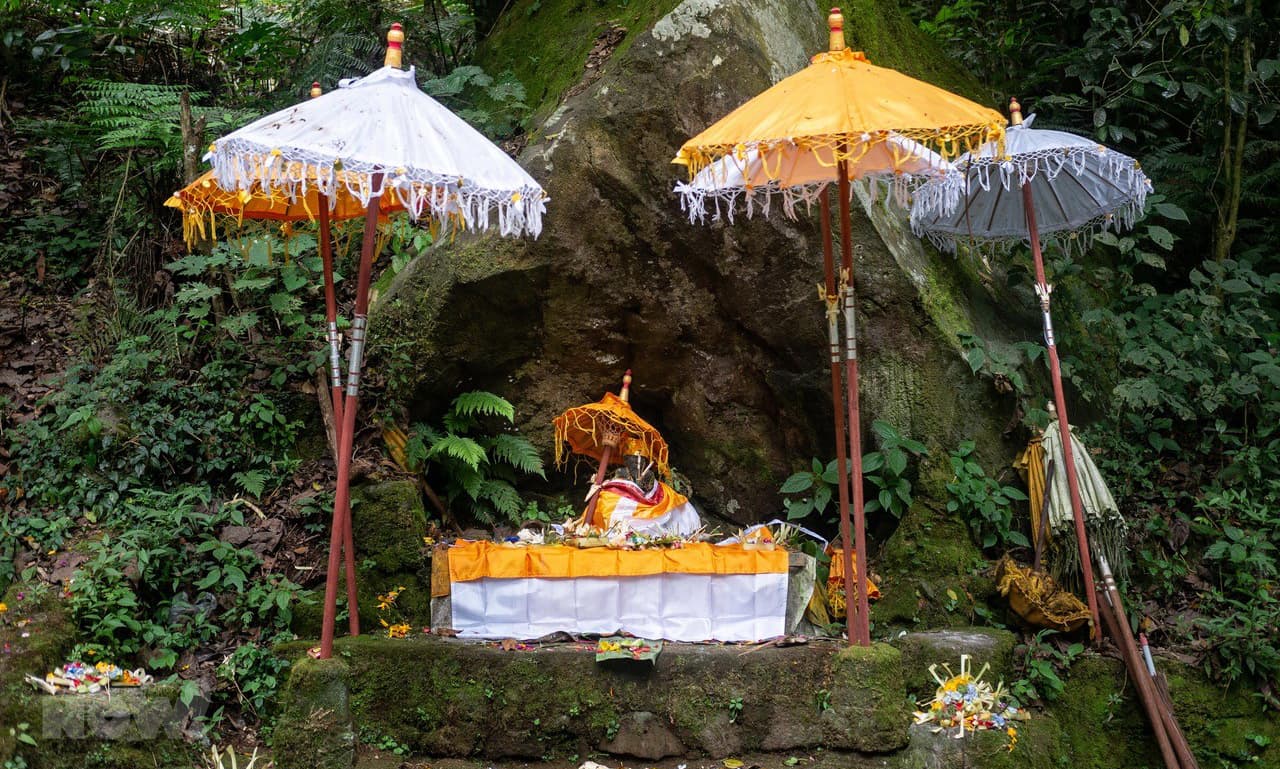
Tedung : Bali's Ceremonial Umbrella
Tedung, Bali’s ceremonial umbrella, symbolizes protection and spirituality, shading worshippers, holy artefacts, and processions with sacred meaning.
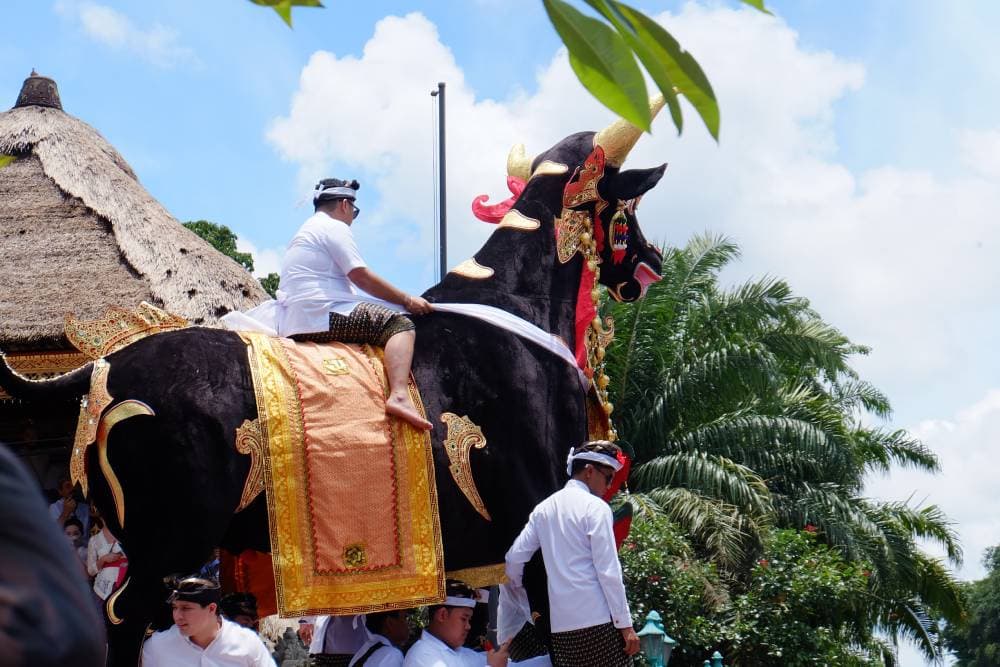
Lembu: The Bull Sarcophagus
The Lembu is a bull-shaped sarcophagus used in Balinese cremations, especially that of high-caste Balinese Hindu.
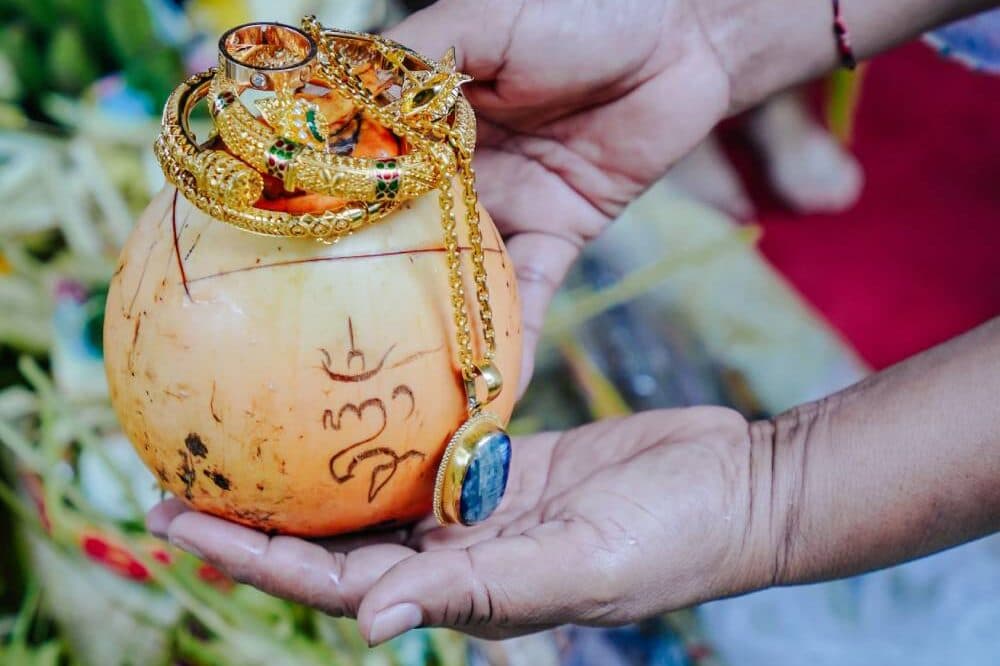
Bungkak Nyuh Gading: A Vessel of Purity in Balinese Rituals
Bungkak nyuh gading are sought out specifically for their waters, known locally as air langit, or heavenly water.