Lembu Putih Taro : Holy White Cows of Taro Village
In Taro Village, Bali, sacred white cows called Lembu Putih are believed to have healing powers, with their secretions used in traditional remedies.
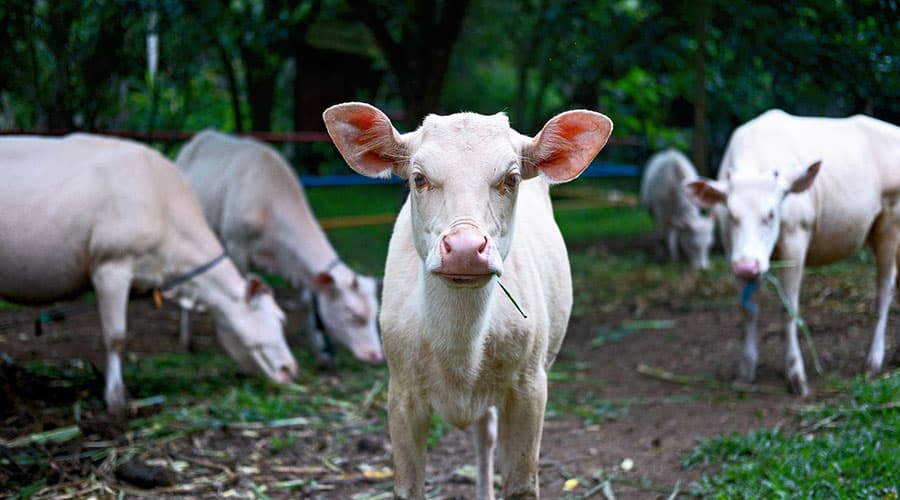
When cows provide beef and dairy elsewhere in the world, this Balinese village worships white bovines and uses their urine as medicine. What’s so sacred about them?
There is a Balinese term ‘mule keto’ that loosely translates to the familiar saying ‘it is what it is.’ If one questions a local as to why things are the way they are, most will cut it short to ‘sudahdarisananya’ or ‘it has always been like that.’ This myth is one of those cases.
Indigenous to Taro Village in Gianyar, cows with a white coat, limpid iris, and faded horns are deemed holy or sacred. They are called 'Lembu Putih' and their presence plays a much bigger role than simply mascots in religious rituals, yet in an unconventional way.
Taro’s white cows are believed to possess medicinal properties. The glorified use of this medicine lies not in the meat or parts of the immediate body, but in what they secrete. Urine, faeces, even sweat of these majestic animals are commonly used by the people of Taro to heal a range of ailments. One example is the blending of faeces in boreh, a type of herbal body scrub, as a remedy for arthritis and other rheumatic diseases.
These cows are consecrated and blessed to their very last breath. When a cow dies, the village will host a particular ceremony prior to a proper burial. Another special, and rather unusual, treatment is the forbidden use of profanity around or towards them — and certainly killing one will warrant you a serious sanction! When found roaming in the wild, one should behave respectfully and if possible, feed them. Children today are still told to do so. The cows are also given special nicknames. Bulls are called Ida BagusLanang, whilst the heifers are called Si Luh.
These cows are consecrated and blessed to their very last breath.
It is said the white cow is the ‘holy vehicle’ ridden by Dewa Siwa, called Nandini. It explains the importance of the white cow in ceremonies, such as in Ngaben (Balinese Hindu funeral ritual) symbolising the act of picking up and sending off. It could also explain the sacred benefits they offer. To this day, Taro villagers spend fortunes to the conservation of this rare breed. The conservation park doubles as a tourist attraction park and has welcomed visitors hailing from all over the globe.
Read Next
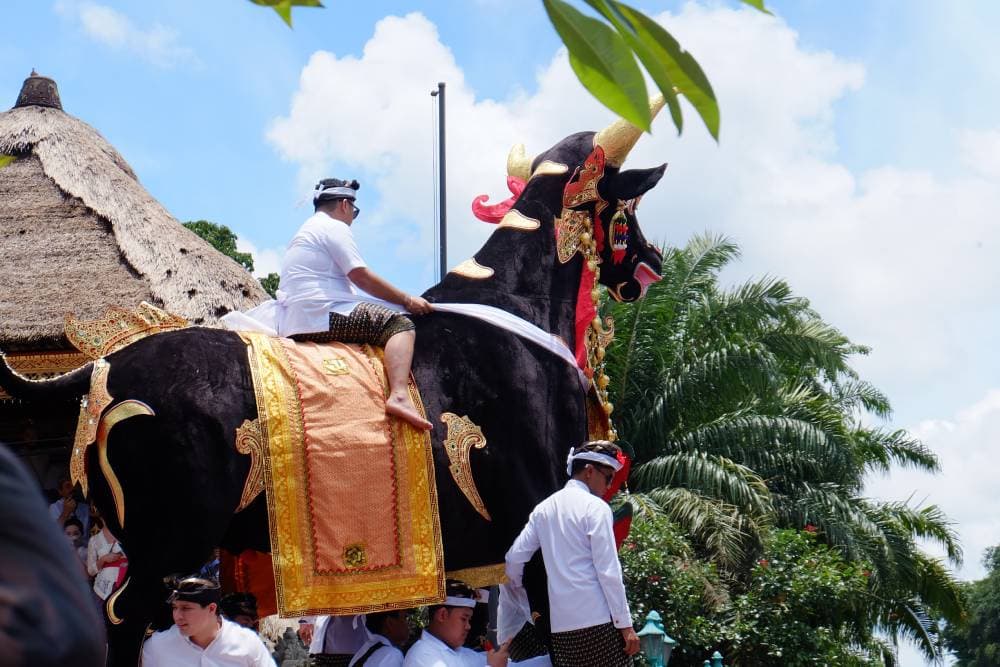
Lembu: The Bull Sarcophagus
The Lembu is a bull-shaped sarcophagus used in Balinese cremations, especially that of high-caste Balinese Hindu.

Poo Means Luck Here in Bali
Despite fertilisation, there is a belief in Bali that this smelly substance has other, strange benefits.
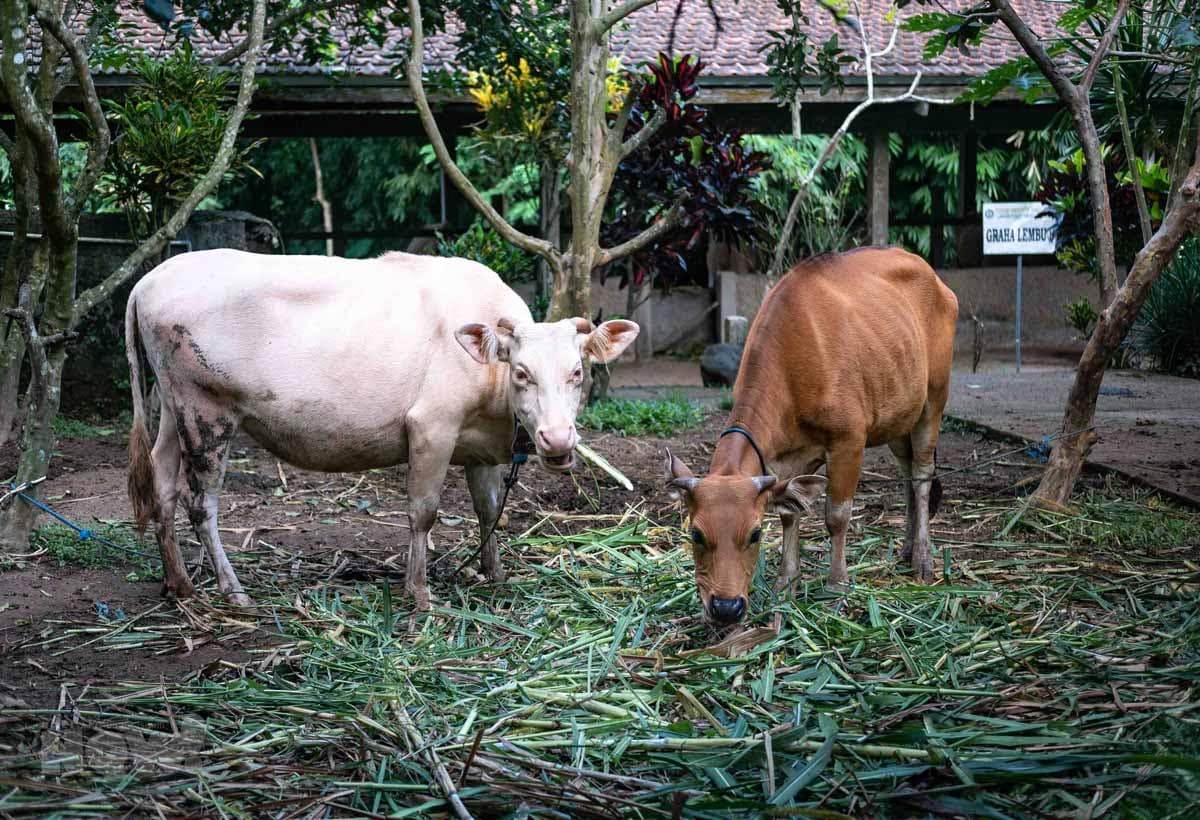
Tumpek Kandang: The Holy Day for Animals
Explore Tumpek Kandang, the Balinese holy day honoring animals and livestock through unique rituals, offerings, and spiritual devotion.
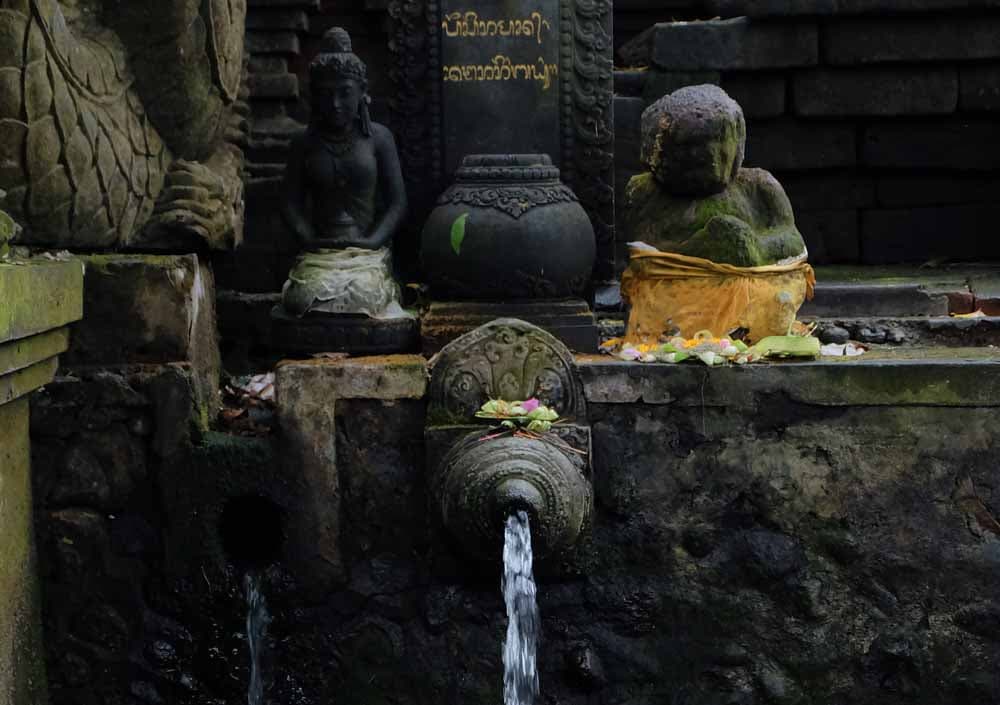
Explaining the Role and Importance of Water in Bali | Episode 22
Explore Bali’s sacred waters, their spiritual, cultural, and practical roles, from holy springs to sea rituals and rice-farming traditions.
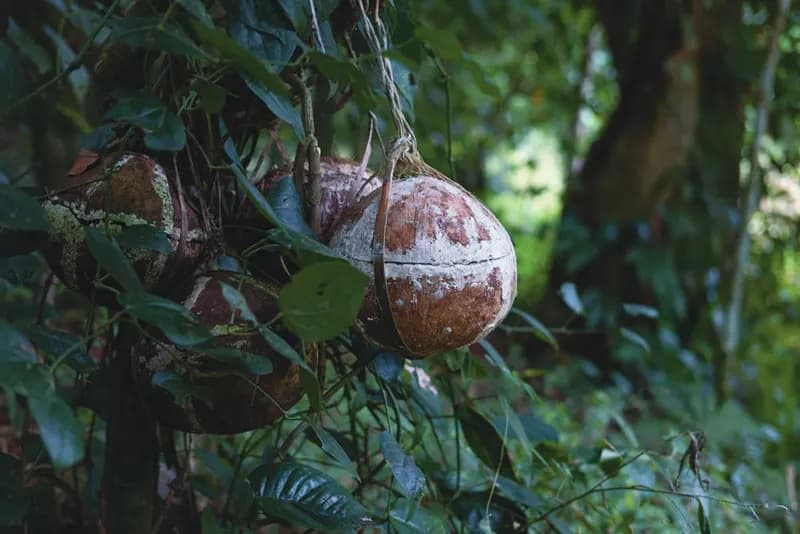
Setra Ari-ari: The Placenta Graveyard
In Kintamani, placentas of newborns are placed inside coconuts and hung on trees - it is called Setra Ari-Ari, or the placenta graveyard.
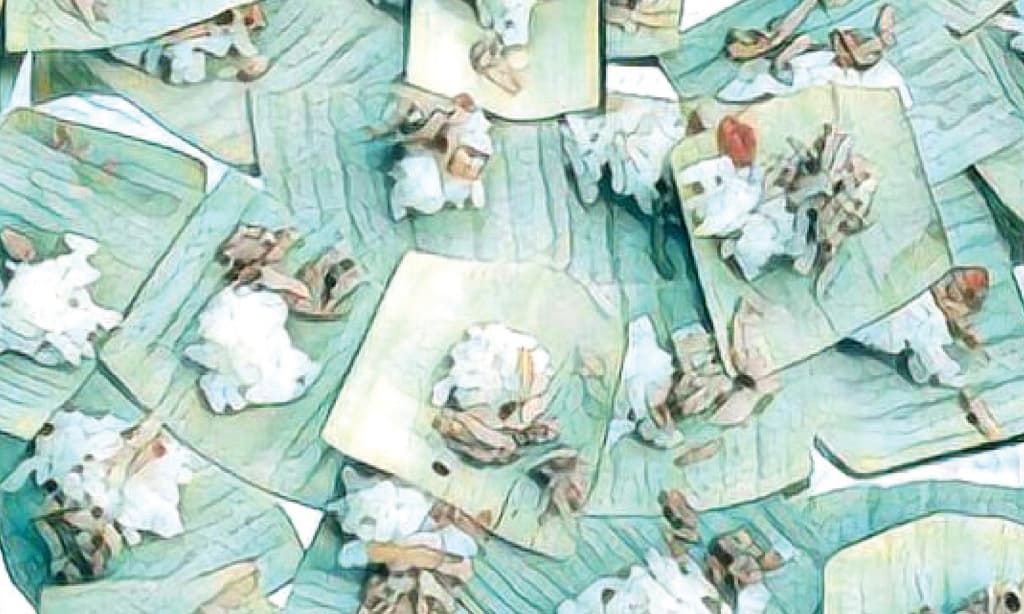
Banten Jotan: An Offering for Good and Evil
Banten Jotan, Bali’s daily food offering, symbolizes gratitude and balance between gods and demons, reflecting the island’s deep spiritual traditions.
Plan around it
Where to Eat & Drink


Where to Stay