
Prasasti Blanjong Pillar: Ancient Inscriptions in Sanur
A small monument known as Prasasti Blanjong is the oldest manmade artefact in Bali that dates back to the 9th century that was only found in 1932.
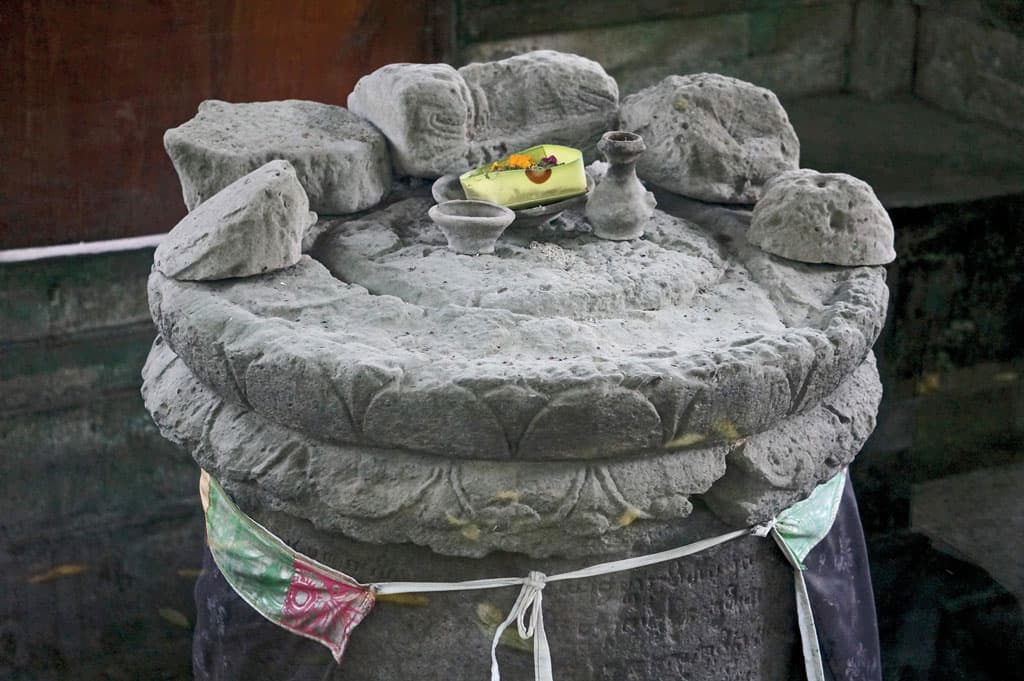
A small monument known as Prasasti Blanjong, was carved from a single solid stone pillar that measures around 70 inches and 32 inches in diameter. It is one of the oldest manmade artefacts in Bali that dates back to the 10th century, only found in 1932.
It commemorates the victory of King Kesariwarmedewa of Bali’s ancient Singadawala kingdom over his nearby rival kingdom headquartered on the neighbouring island of Nusa Penida. During the military battle that this stone memorialises; Nusa Penida was conquered and absorbed into the victor’s kingdom.
Its top is completely encircled by a rim ornately carved in two languages – Sanskrit, and Bali Kuna (ancient Balinese script) – and tells about the government of King Kesariwarmedewa and of his military’s victory over Nusa Penida island.
The carved rim, studied by an archaeological team, revealed three separate numbers: 8, 2, 5. It was deduced that these numbers represented a date.
The carved rim, studied by an archaeological team, revealed three separate numbers: 8, 2, 5.
The inscription reads: "In Saka year of 825 during the month of Phalguna, a king who had power around the world crowned in Sanghadwala Palace, named Sri Kesari has defeated his enemies in Gurun and Swal. This must be known."
Known both as Prasasti Blanjong (prasasti means ‘carved in stone’ and it’s located in Blanjong ) and as Jaya Stamba, meaning stone of victory, this archeological relic dated 914 A.D. sits in a tiny glass booth next to a very small temple on an out-of-the-way street in the Blanjong area of Sanur, and is testament to the long history of Sanur. The artefact is one of the oldest manmade artefacts found in Bali, though the oldest is likely to the be Pejeng Drum from the Dong Son civilisation.
The glass booth that was built to contain this ancient stone allows for good 360 degree viewing and photography of the main pillar and the smaller relics reverently arranged on top of it. On special Hindu days of celebration the stone pillar is dressed in the traditional Balinese Hindu black and white checkered cloth then draped with a religiously symbolic yellow cloth.
Read Next
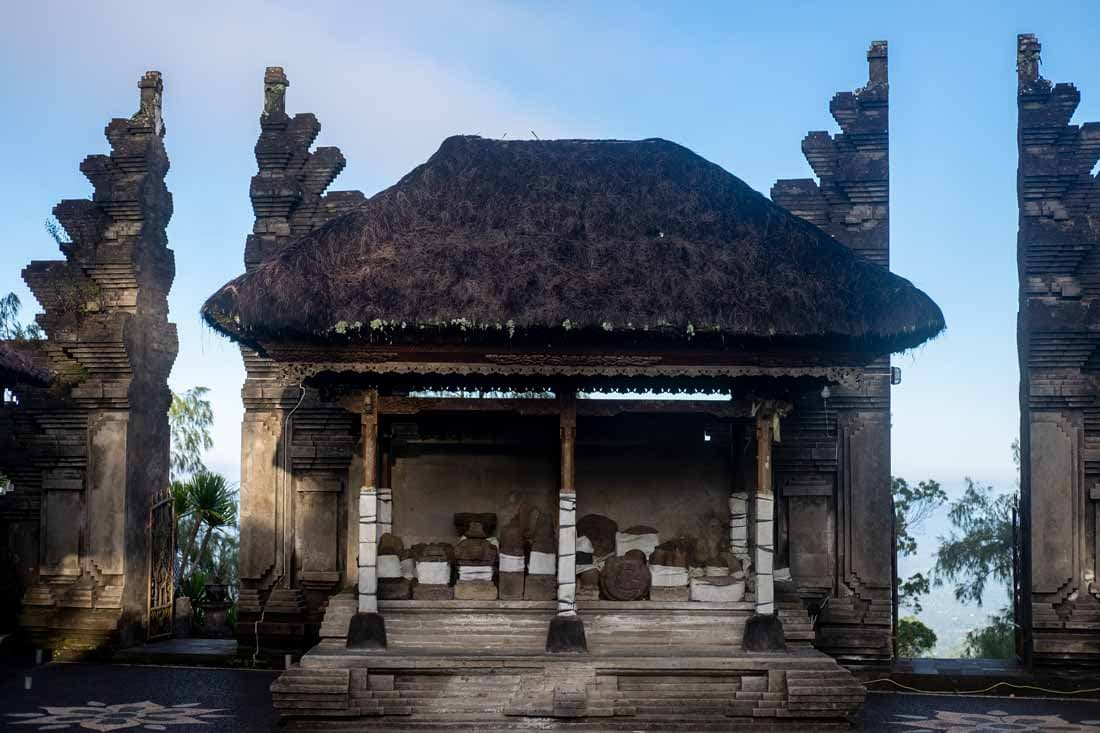
Pura Puncak Penulisan, A Megalithic Museum
One of Bali’s oldest temples, Pura Puncak Penulisan in Kintamani is thought to be first built in 300 AD during Bali’s bronze age.

Balinese Artist Mangu Putra’s Momentary Blurring of a Historical Timeline
Balinese artist Mangu Putra recreates historic photo through Sanur 1906, depicting Bali in a new perspective.
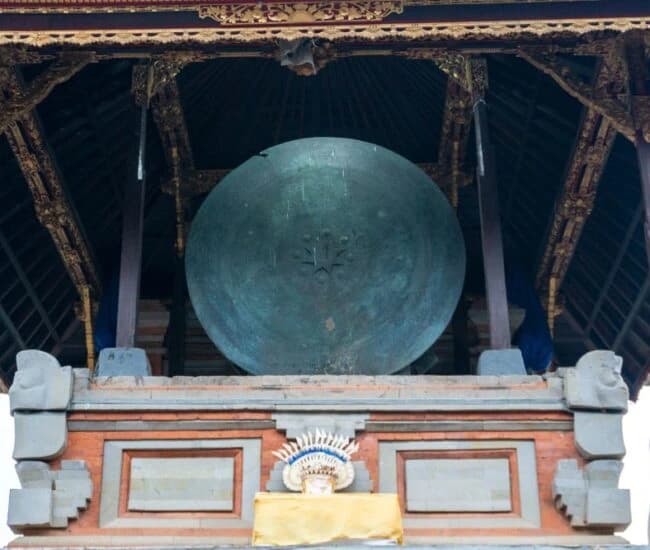
Pura Penataran Sasih and The Moon of Pejeng
This is Pura Penataran Sasih, recognised as a cultural heritage site largely due to the presence of the 'Bulan Pejeng' or Pejeng Moon.
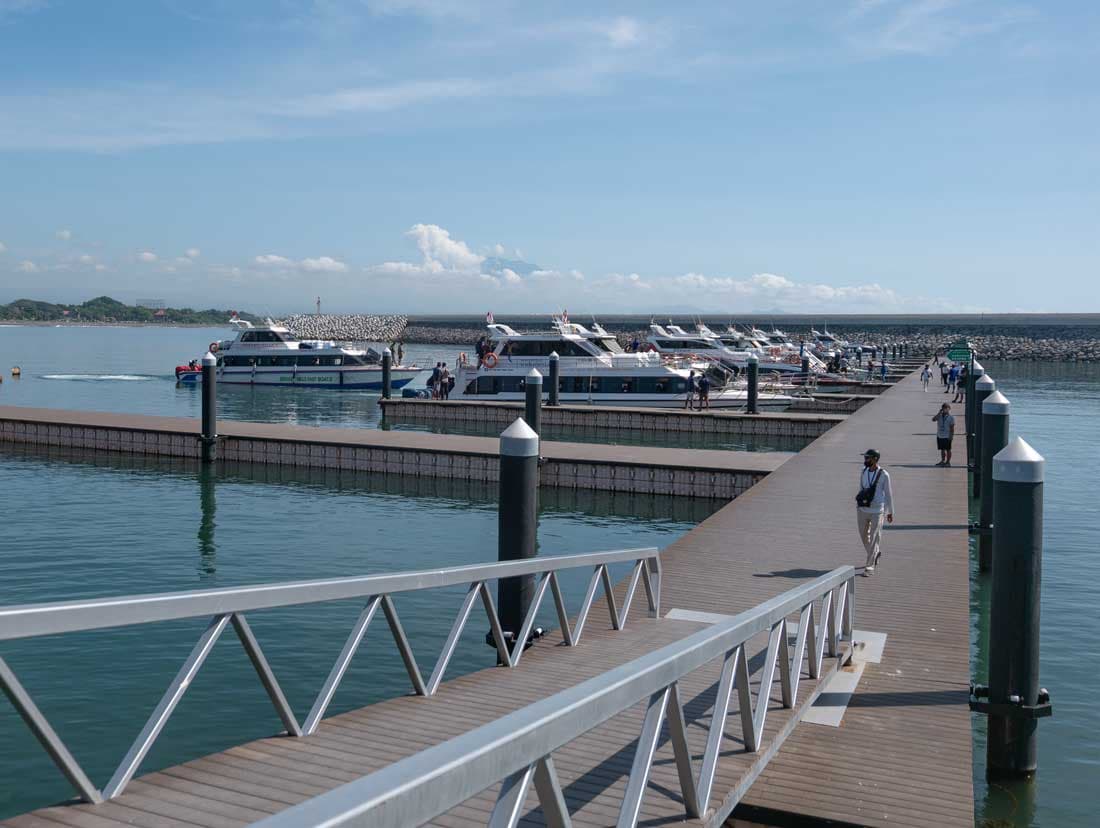
The New Sanur Harbour Improves Travel Experience to Nusa Penida and Ceningan
Explore the new Sanur Harbour. Discover how this modern maritime infrastructure upgrades travel comfort from Bali to the Nusa islands.
Exhibition Highlights Ancient Lontar, A Balinese Artform of Miniature Manuscripts
Explore the art of ancient Balinese lontar through this exhibition, highlighting traditional miniature manuscripts and modern prasi designs.