A Moon on Water: How Two Design Teams, A Sea Apart, Shaped the Building of SAKA
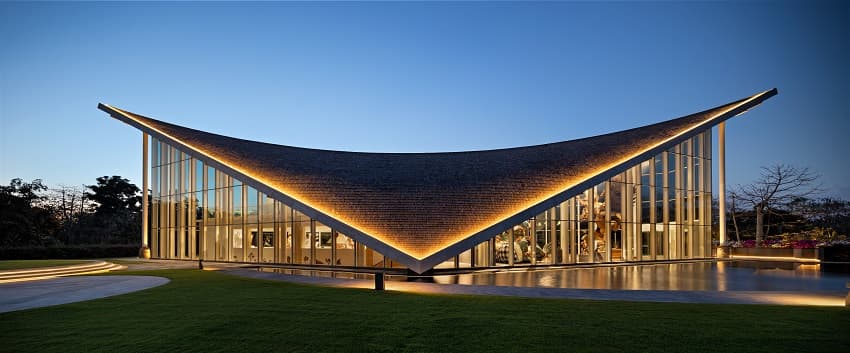
The director of SAKA Museum traces how architects & interior designers turned the spirit of Nyepi into a world-renowned beautiful museum.

Section
Everything we are watching in editorial — reviewed and kept current.
The director of SAKA Museum traces how architects & interior designers turned the spirit of Nyepi into a world-renowned beautiful museum.
A shadow puppet master (dalang) goes off-script, off-stage and online, repurposing a traditional teaching medium for a modern audience.
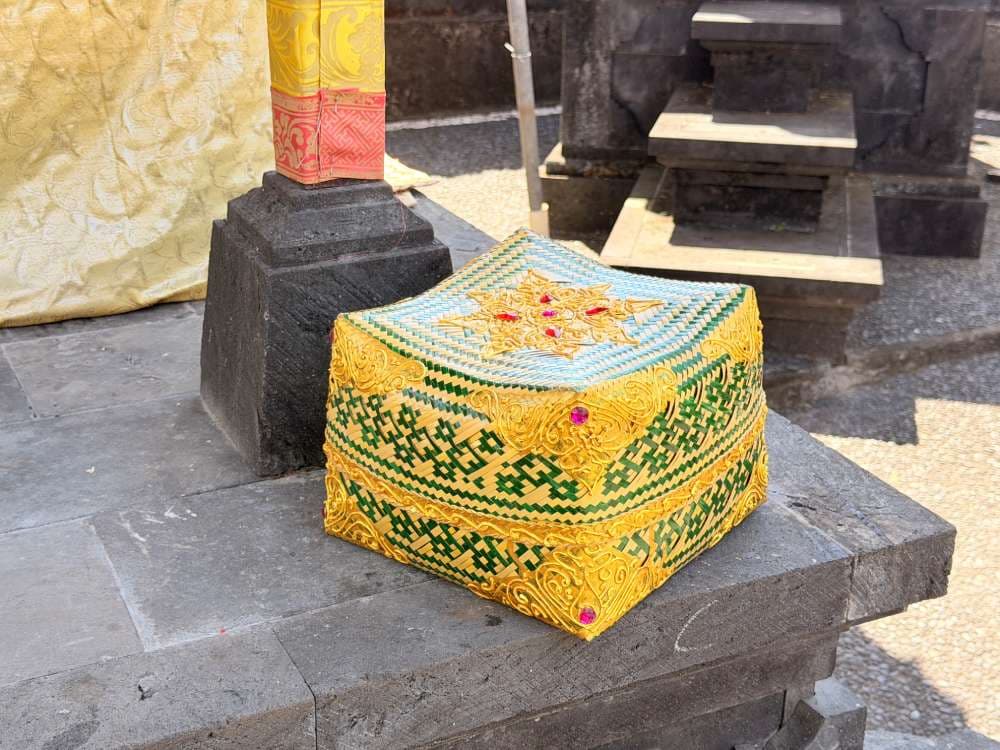
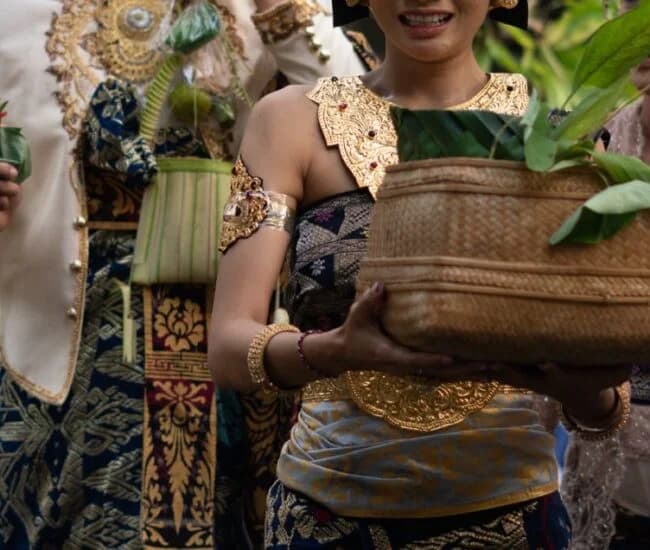
Uncover the rich spiritual meaning and cultural philosophy of the Keben, the intricate traditional offering basket in Balinese Hinduism.
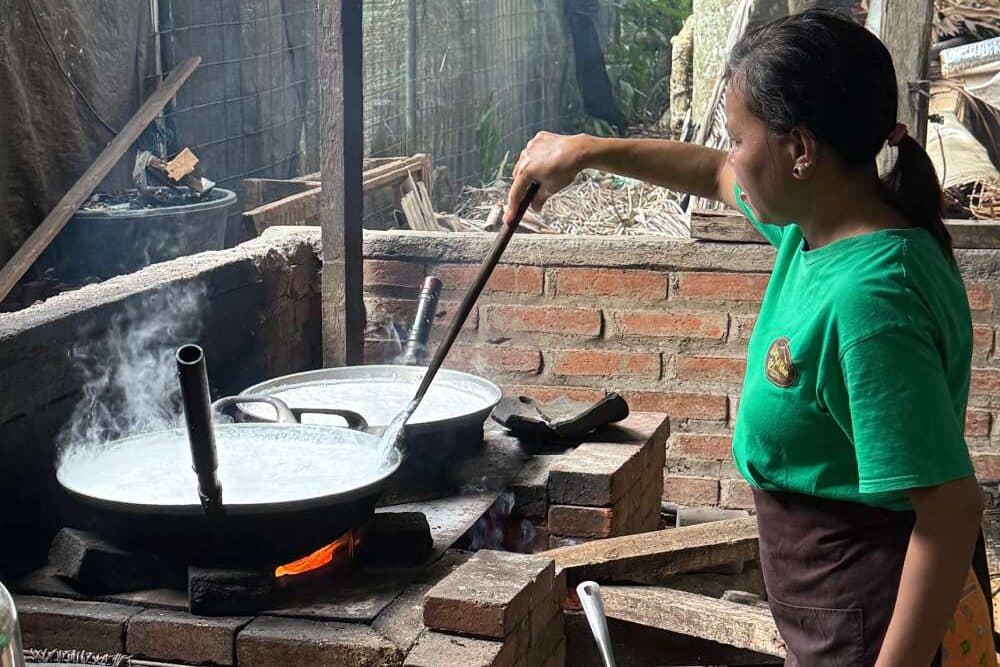
As the practice of nandusin has declined, so too has the availability of tlengis. Warung di Kebun tries to bring this forgotten dish back to life.
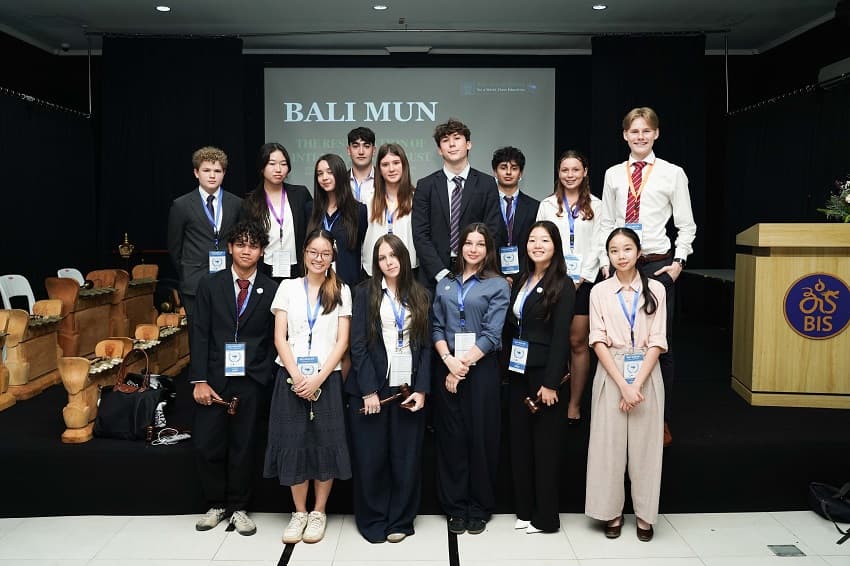
The annual Bali Model United Nations has become an important youth platform encouraging open dialogue to connect, learn, and exchange ideas.
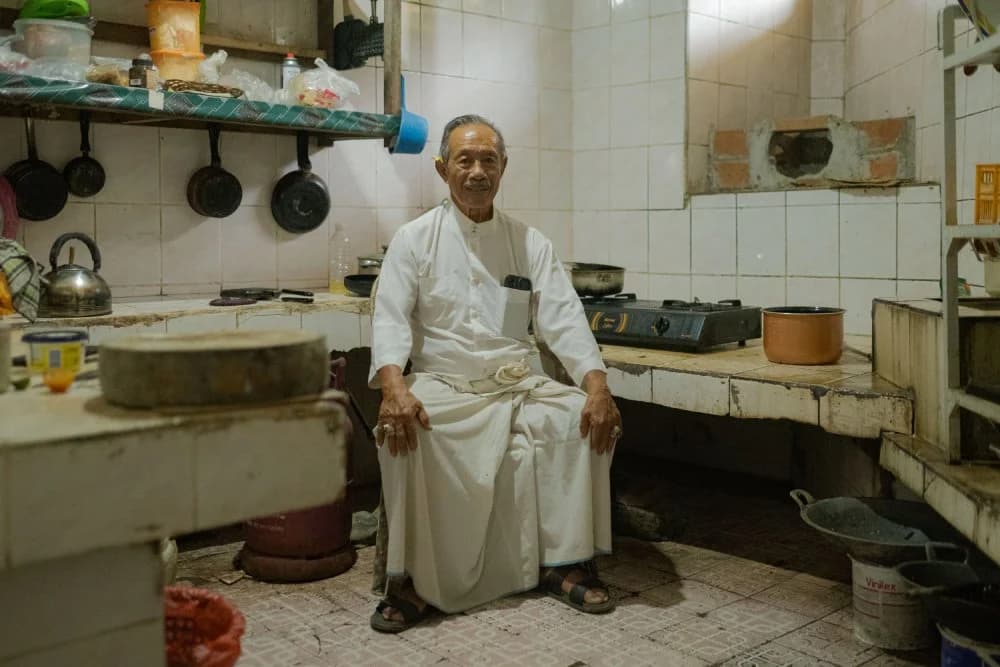
I Gusti Nyoman Darta embodies Balinese culinary heritage, shaped by ritual, service, and memory. Where knowledge is practised, not written.
Discover pawiwahan, Bali’s marriage ritual that unites couples, families, and communities in a sacred journey into adulthood.
In this finale of a 4-part series, the slow, simmering process finally ends with a conclusive agreement on what to name the Balinese religion.
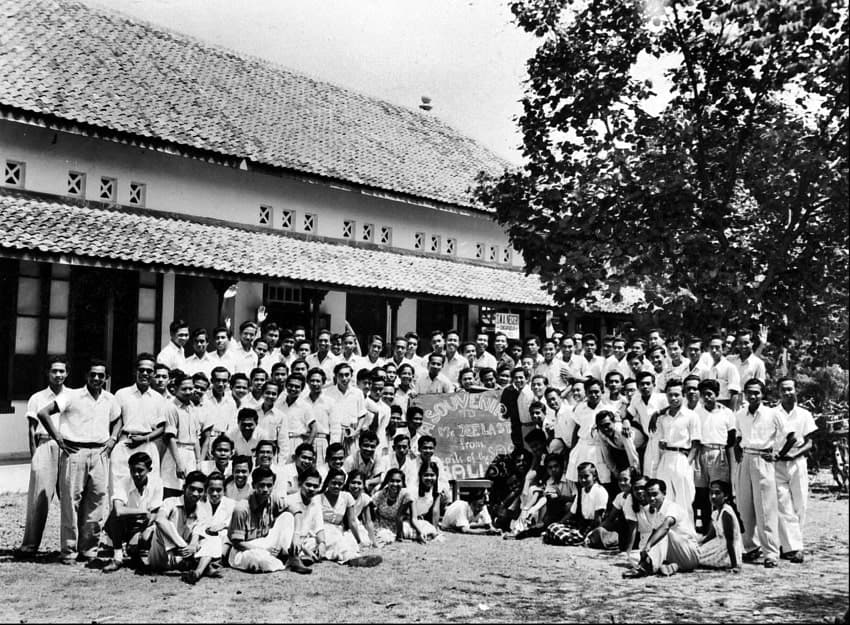
In the 1920s, Bali would experience a new phenomenon, the rise of a western-style intelligentsia who laid the foundation of a Balinese debate.
Meet Kania Maniasa of Green School Foundation as she discusses sustainable education and the future of farming for Bali's younger generation.
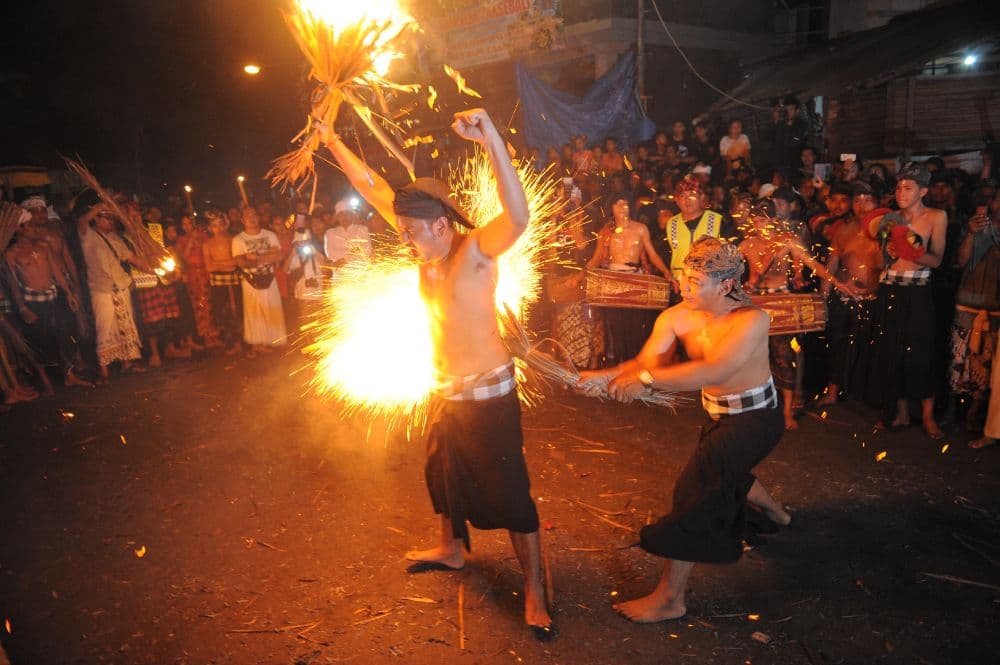
Across Bali, some regions preserve unique festivals shaped by local history or old customs abandoned elsewhere; here are several examples.
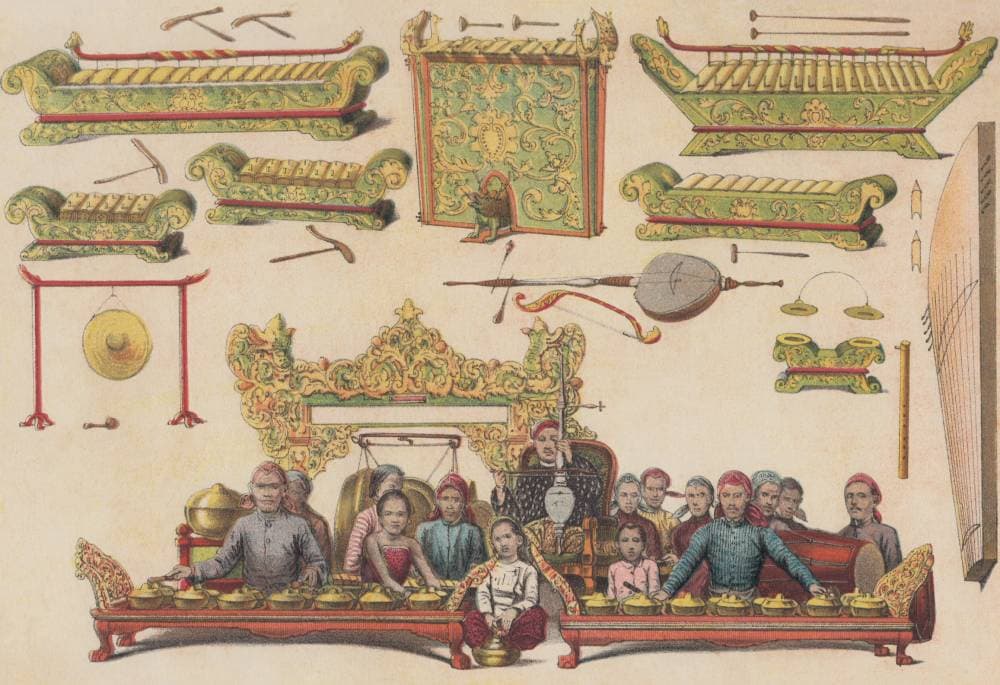
Indonesia is home to many musical styles and instruments. It is not merely entertainment, but a rhythm that courses through daily life and spiritual rituals.
BASAibu recently collected insights from everyday Balinese communities to hear their honest feedback on the future of tourism.
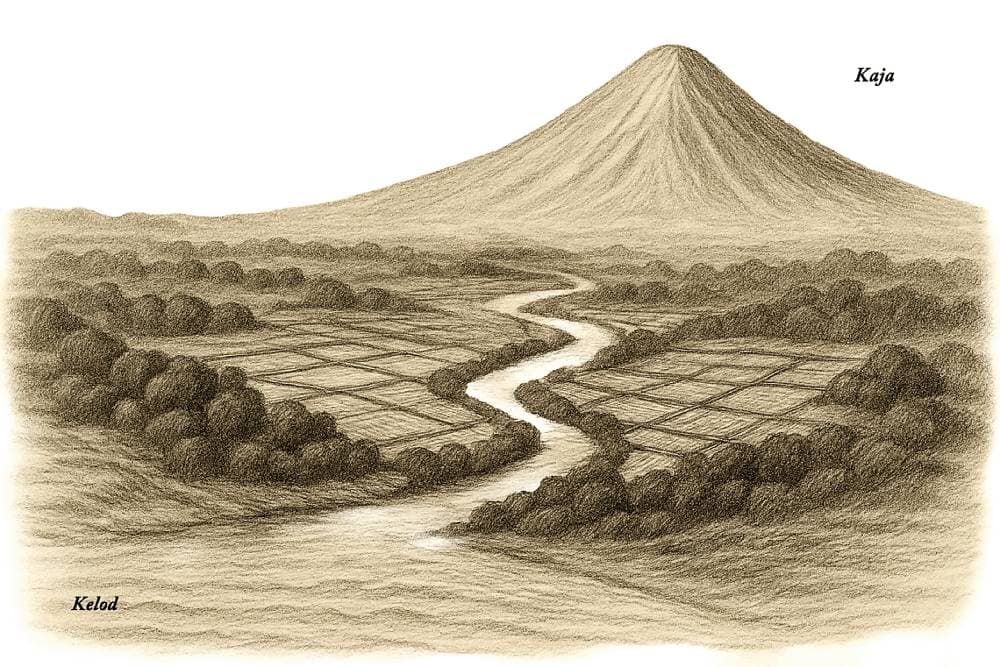
Asta Kosala-Kosali is the traditional Balinese system of spatial and architectural rules that governs how buildings and compounds are planned.
This is part two in a series of four essays by Bruce Carpenter, inspired by Kebalian (2024). It is his hope to point readers in the right direction in understanding Bali's most fundamental identifying characteristics.
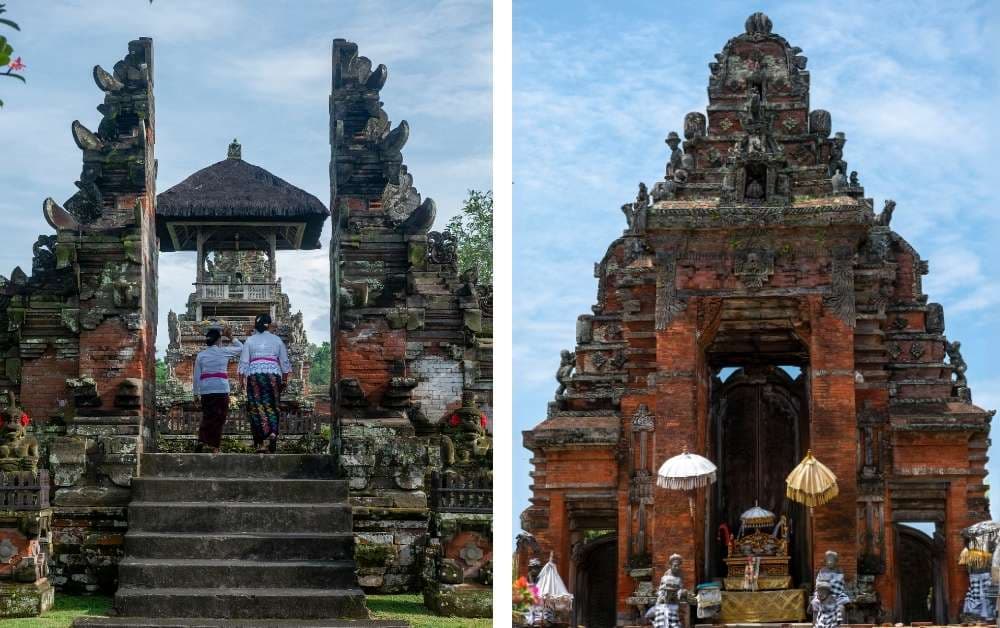
Here are some of the most recognisable architectural elements that together build the cohesive aesthetic identity of Bali.
Pis bolong, also known as uang kepeng, are ancient Chinese coins used as a vital component in Balinese ceremonial offerings.
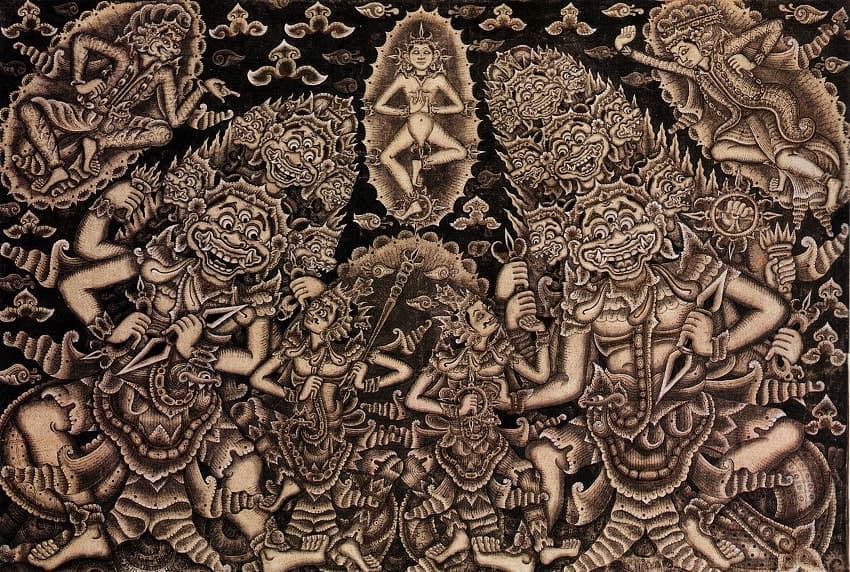
As the sole heir of the ancient Hindu kingdoms, why would Bali be anything but Hindu? Yet this is where the story starts to get fuzzy.
Explore Balinese life cycle rites, where ancestral worship, Hindu traditions, and reincarnation beliefs shape rituals from birth to death.
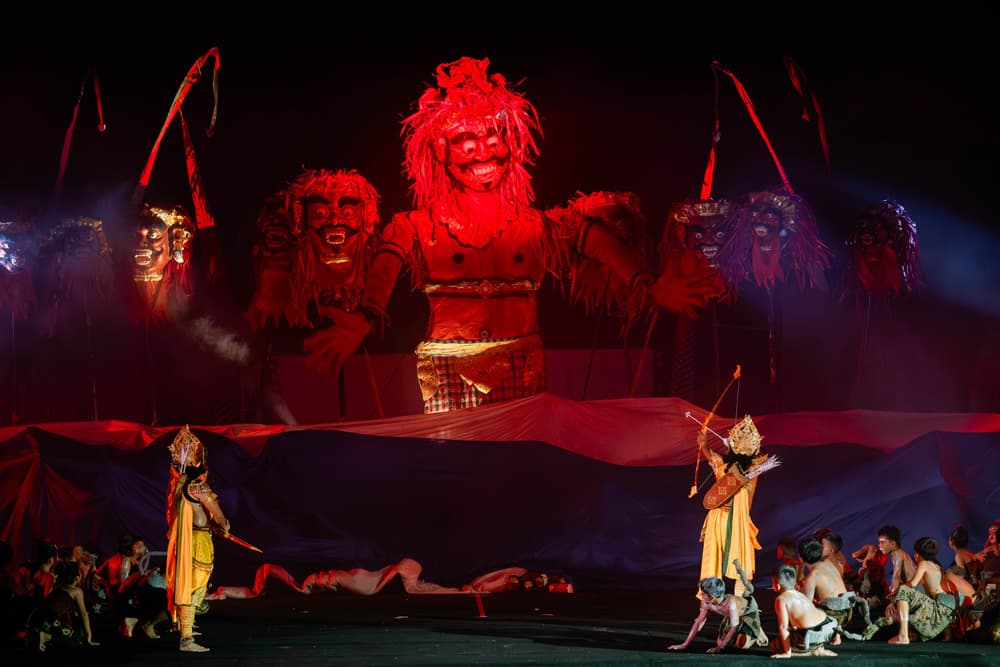
Dr. Jean Couteau reflects on a colossal performance by renowned dalang (puppet master) I Made Sidia and what it means for Balinese dance.
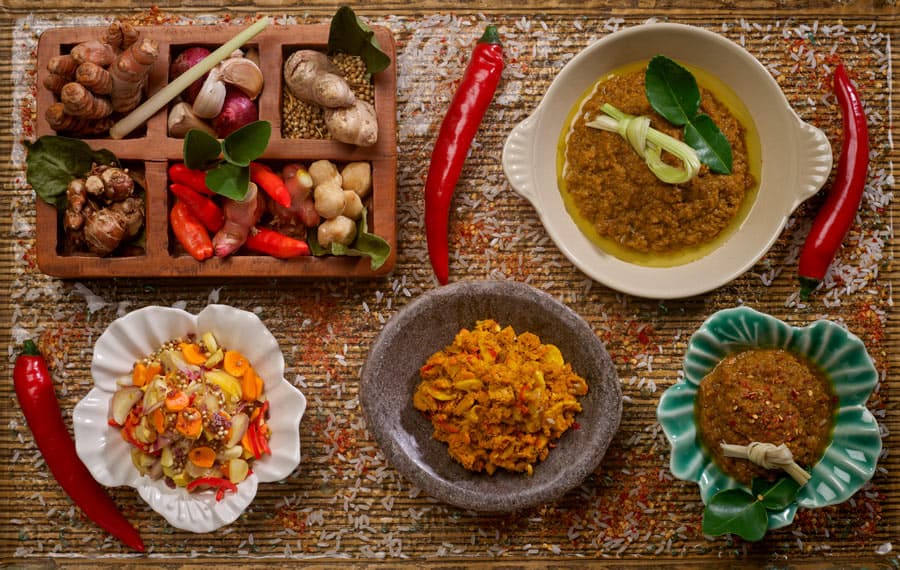
Balinese cuisine has a particular flavour and at the heart of that is Base Genep, a complex spice mix, explained by Chef Heinz von Holzen.
Historically, real gold was used in the making of kain prada, rendering the fabric inaccessible to the wider community.
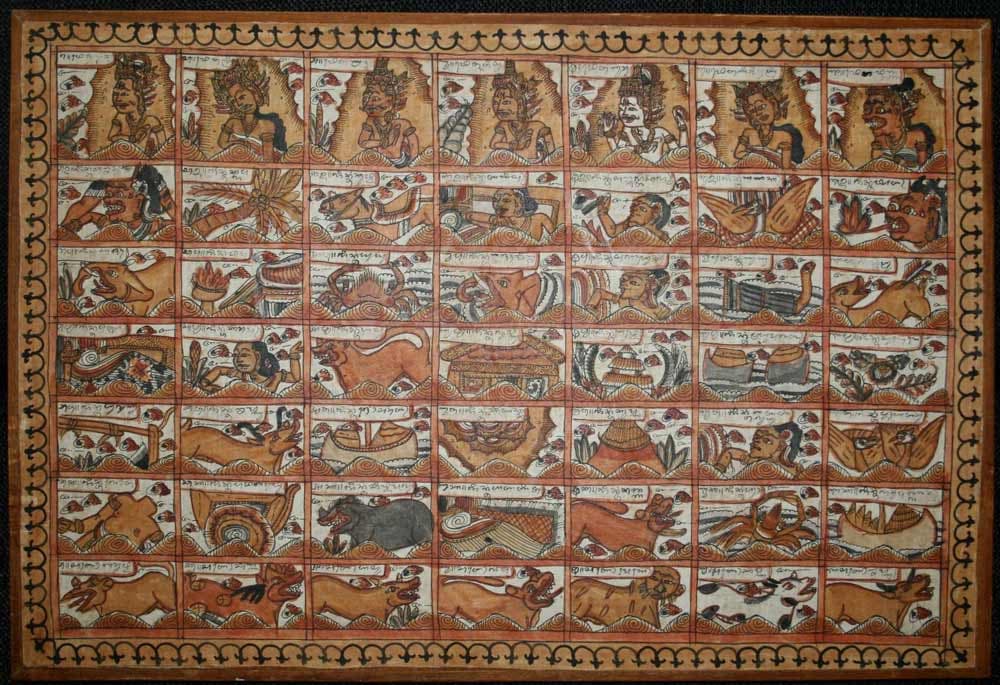
The Balinese Pawukon calendar is one of two calendar systems used on the island, but by far the Pawukon dictates much of ritual life on Bali.